

Global buyers are rethinking how everyday packaging performs across borders, warehouses, shops, and kitchens. Paper bags now carry more responsibility than groceries. They must protect food, support branding, control costs, and meet changing sustainability expectations.
In this article, we examine the top food bags paper options for international purchasing teams. The comparison considers kraft paper strength, grease resistance, moisture protection, handle design, printing quality, and packaging efficiency. A bag that looks attractive may still tear beside a hot takeaway container. A low price may hide weak fibers, excessive material use, or inconsistent production. Small details matter.
William McDonough, a leading sustainable-design expert, famously said, “Waste equals food.” His principle encourages buyers to view packaging materials as part of a wider resource cycle. That idea sounds simple. Real procurement is not.
Responsible selection requires evidence. Buyers should request food-contact documentation, product specifications, factory samples, and clear testing data. They should also check whether recycled content affects strength or appearance. Compostable coatings can be useful, but only when local disposal systems support them. Otherwise, the environmental claim may become confusing.
There is no perfect bag.
The strongest choice depends on the product, shipping route, climate, and customer expectations. This guide compares practical options without treating sustainability as a marketing shortcut. It also highlights weaknesses that suppliers may overlook. A reliable food bags paper solution should protect the product first, communicate value clearly, and perform consistently from production to final use.
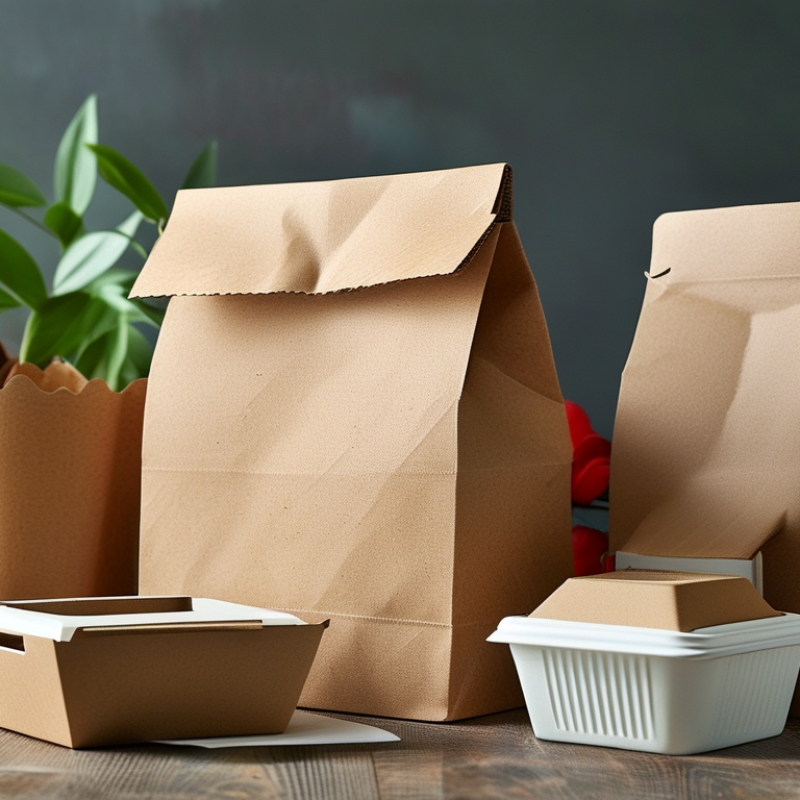
Paper food bags are flexible packaging made from paper-based sheets for bread, snacks, takeaway meals, produce, and dry foods. Common materials include kraft paper, coated paper, and grease-resistant paper. Some bags use a folded base, while others have flat handles for easier carrying.
For global buyers, paper bags offer a practical balance between protection, presentation, and shipping efficiency. They are lightweight, stackable, and often easier to store than rigid containers. A bakery may need a breathable bag for warm rolls, while a takeaway kitchen may require stronger grease resistance. These details matter more than appearance alone. Buyers should request food-contact documentation, migration test reports, and moisture-resistance data before placing large orders. Supplier audits also help verify paper sources, printing quality, and production consistency.
Sustainability is another major reason for choosing paper food bags. Many customers prefer a fiber-based option, especially when the bag uses minimal material and avoids unnecessary coatings. However, paper is not automatically the best choice in every situation. A wet or oily product can weaken an unsuitable bag quickly. I have seen attractive packaging fail because its bottom seam was too weak. Global buyers should test filled bags under real conditions, including stacking, transport, temperature changes, and handling. Small samples can reveal large problems. Recognizing these limitations leads to better specifications, safer use, and fewer costly replacements.
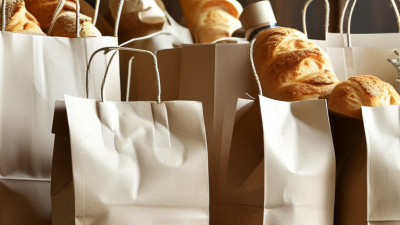
Choosing the right paper food bag starts with the product, not the artwork. Grease-resistant paper bags suit fried chicken, pastries, and oily snacks. Their inner treatment helps reduce leaks and soft spots. For bread, rolls, and dry bakery items, breathable kraft bags protect texture better. Sealed plastic-like layers may trap moisture and create sogginess.
Flat-bottom bags provide stability for noodles, rice meals, and larger takeaway portions. SOS-style bags open quickly and carry boxed food with less handling. Small glassine or greaseproof bags work well for sandwiches, cookies, and individual snacks. Bags with a paper window improve visibility, but the window can affect recycling options. This detail is often overlooked. A strong appearance does not guarantee practical performance.
Tips: Match bag size closely to the food portion. Leave enough space for closure and airflow. Test the bag with hot, oily, and refrigerated products before ordering in bulk. Check food-contact documentation, coating details, and migration test results for the destination market. Recyclability claims can vary by local facilities. In my experience, early testing prevents expensive changes, although one trial condition is never enough. Also review handle strength, seam quality, printing durability, and storage humidity. A bag may perform well in a dry warehouse but weaken during long coastal shipping.
What Are the Top Paper Food Bags for Global Buyers?
How Should Buyers Compare Materials, Sizes, and Barrier Features?
Paper food bags should be selected by product behavior, not appearance. Kraft paper offers strength and a familiar natural texture. Recycled paper can reduce virgin fiber demand, but quality may vary between suppliers. FAO’s 2023 Forestry Production and Trade data recorded global paper and paperboard production at roughly 420 million tonnes. That scale supports broad sourcing, yet it does not guarantee food-contact suitability. Buyers should request fiber origin, basis weight, and compliance documents.
Size affects protection and shipping efficiency. A bag that is too large leaves food moving inside. A tight bag may split at the side seam. Test the filled bag with real products, including crumbs, oil, and warm contents. For oily food, compare grease-resistant treatments using KIT testing. For moisture-sensitive products, review Cobb values and water-vapor transmission data. Oxygen-sensitive foods may also require an oxygen-barrier layer. However, higher barriers can reduce recyclability. This trade-off is often overlooked.
Tips: Ask for migration testing and production samples. Check GSM, seam strength, handle load, and shelf-life data. Confirm whether the barrier is recyclable in the destination market. Smithers’ paper-packaging research identifies barrier performance as a major development area, but forecasts are not product guarantees. I would not approve a bag from a brochure alone. A small pilot run can reveal weak corners, ink rub, or unexpected odor. Good packaging decisions still involve some uncertainty.
Global buyers often compare paper food bags by price, kraft color, and printed appearance. Those signals are incomplete. FAO forestry data recorded more than 400 million tonnes of global paper and paperboard production in 2023. That scale increases the need for controlled sourcing, not casual purchasing.
Food-contact compliance should lead the supplier review. Ask for a current declaration of compliance, migration-test results, and ink and adhesive specifications. The bag should support traceability from paper mill to packed product.
ISO 22000 or a recognized packaging-safety system can strengthen supplier controls. BRCGS Packaging Materials certification may also provide useful evidence, but certification alone is not a substitute for product-specific testing.
Recycled fiber needs extra attention. It may require functional barriers, especially when oil, moisture, or heat is present. A plain kraft bag can look responsible. Appearance proves little.
I would also check PFAS statements, because “PFAS-free” claims should be supported by test methods and clear detection limits.
Tips: Request three production samples, not one. Test seams, handles, grease resistance, and stacking strength after humidity exposure.
Review the supplier’s corrective-action records, too. Weak documentation often appears before weak bags.
FSC chain-of-custody evidence can support fiber sourcing claims, but it does not prove food safety. Smithers’ recent paper-packaging market analysis identifies foodservice and retail as important demand areas, yet fast growth can encourage rushed qualification. That is a risk worth challenging.
Global buyers need more than attractive paper food bags. They need suppliers who can deliver consistent quality across large, repeated orders. Ask for factory details, material specifications, production capacity, and recent test reports. A reliable supplier should explain paper weight, grease resistance, printing methods, and packing conditions clearly. Request samples before signing a contract. Check whether the bag holds hot food without tearing or leaking.
Costs deserve a wider view. Compare the unit price, minimum order quantity, tooling fees, shipping terms, and import-related charges. A cheaper bag may create higher costs through damaged cartons or inconsistent sizing. Ask for a written quotation with currency, delivery time, and replacement terms. Payment protection also matters. Do not rely on promises alone.
Tips: Test bags with real food, oil, moisture, and stacking pressure. Review sustainability claims carefully. Ask whether the paper comes from responsibly managed sources and whether coatings, inks, and handles support the buyer’s recycling system. Certifications can help, but verify their scope and validity. Sustainability is not always simple. A recycled bag may need more testing, while a lighter bag may reduce shipping emissions. I have seen buyers focus on recycled content and overlook transport distance. That can weaken the full assessment. Keep a supplier scorecard, record sample results, and review performance after each shipment. Expect small problems, then measure how quickly the supplier corrects them.