
How to Choose Paper Bags for Your Business?

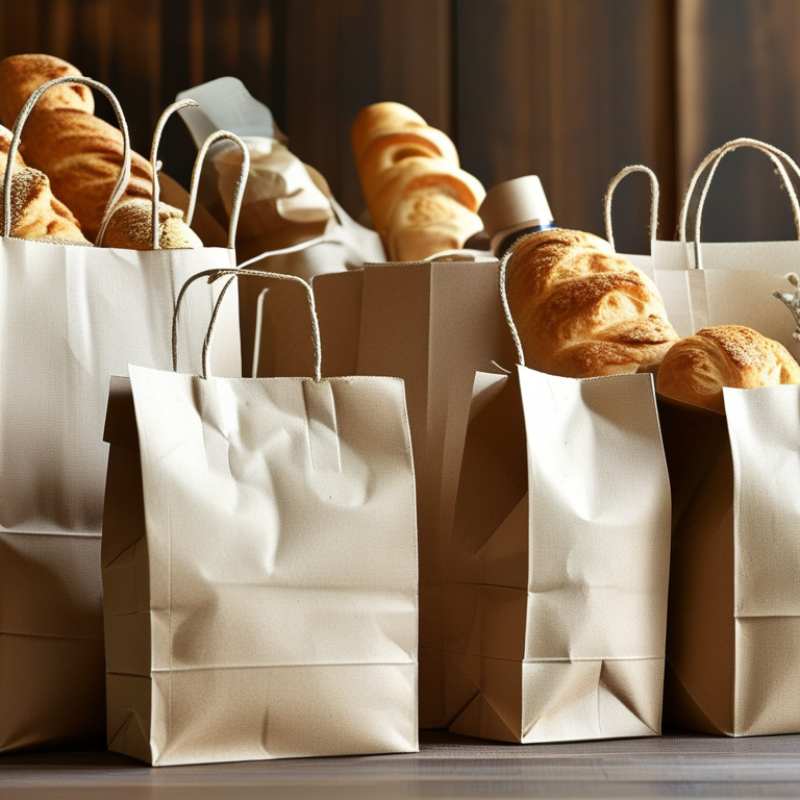
Choosing paper bags for a business is not simply a matter of picking the cheapest option. The right bag should fit your products, customers, brand image, and daily operations. A bakery may need grease-resistant paper, while a clothing store may prefer thicker kraft bags with strong handles. Size matters too. An oversized bag can waste material and look careless. A cramped bag can damage products before they reach the customer. Small details matter.

Real purchasing experience shows that performance often becomes clear only after repeated use. Test samples with actual products, not empty boxes. Check how handles feel after carrying several items. Examine the bottom after a short walk. It may sag. It may not. Ask suppliers about paper weight, recycled content, printing methods, and production consistency. When food contacts the bag, request suitable safety documentation for your market. Sustainability claims also deserve careful checking. “Eco-friendly” can sound convincing without explaining the material or process. Look for clear evidence instead.

The search phrase “paper bags paper” may seem awkward, but it reflects a wider buying question: which paper material truly suits the job? Businesses should compare quality, cost, storage space, and supplier reliability together. A low unit price is not always economical when bags split or arrive late. Confirm lead times, minimum order quantities, and replacement policies in writing. Good choices come from practical testing and honest review. There is no perfect bag. There is only a better fit for your products and customers.
How to Choose Paper Bags for Your Business?

Business Needs to Assess Before Choosing Paper Bags

How to Choose Paper Bags for Your Business?

Before choosing paper bags, assess what your business actually sells and how customers use them. A bakery may need bags that resist grease and hold warm pastries. A clothing shop may need wider bags with strong handles. Measure your products, including boxes and protective wrapping. A bag that looks attractive but collapses at the counter creates a poor customer experience.

Weight matters. Test each bag with your heaviest common order, not only an empty sample. Check the handle attachment, bottom fold, paper thickness, and gusset width. Moisture can weaken paper quickly, especially near chilled products. Storage conditions also deserve attention. Damp stockrooms can damage bags before customers use them. I once underestimated seasonal packaging demand and had to accept a less suitable replacement. That mistake showed me that supply reliability matters as much as appearance.

Tips: Compare samples in real working conditions. Fill them, carry them, and stack them for several hours. Ask suppliers about material sourcing, production consistency, and available quality records. Confirm the bag size before approving printed artwork. Keep a small reserve for busy periods. Sustainability claims should be checked carefully, because attractive wording is not proof. A practical choice may not be perfect, but it should protect products, fit your workflow, and match customer expectations.

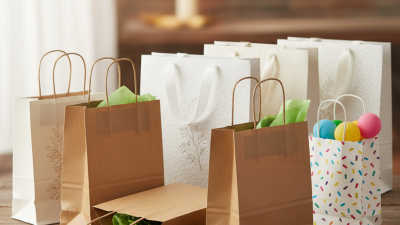
Paper Bag Types and Materials for Different Products

How to Choose Paper Bags for Your Business?

Paper bag selection should begin with the product, not only the printed design. Small bakery items often suit grease-resistant kraft paper with a folded base. The material helps protect against butter marks and warm crumbs. Clothing stores may prefer smoother paper with flat cotton handles. These handles feel comfortable during longer walks. Bottles, jars, and boxed goods need stronger paper and reinforced bottoms. Twisted paper handles can improve grip, but weak construction may still fail under sudden weight.

Material choice also affects appearance and environmental performance. Natural kraft paper gives a warm, practical impression. Bleached paper creates a cleaner, brighter surface for detailed printing. Recycled paper can support sustainability goals, although its texture may look less uniform. Coatings improve moisture resistance, but they can complicate recycling. Food-related bags should use materials suitable for direct food contact. Local requirements still need checking.

Tips: Test each bag with the heaviest realistic product. Carry it for ten minutes. Check the handle area, seams, and base. I once approved a bag that looked sturdy but softened near a chilled container. That mistake changed our testing process. Measure the product with extra space for easy removal. An overly tight bag tears faster, while an oversized bag wastes material and feels awkward. Ask the supplier for samples before ordering in bulk. Small details often decide whether a customer trusts the package.

Size, Strength, and Handle Options to Compare

Choosing paper bags for your business starts with the products customers carry. Measure the item’s height, width, and depth before ordering. A bag should hold the product without excessive empty space. Extra room can cause tipping and awkward handling. I once selected bags that looked generous, but narrow packaging leaned sideways inside them. A small test order would have prevented that mistake. Place the heaviest common item inside each sample and check its balance.

Strength depends on paper weight, construction, and the bag’s base. Thicker paper is not always enough. A reinforced bottom helps support bottles, boxed food, or several folded garments. Ask suppliers for tested load information when available. Then perform your own trial. Fill a sample bag, lift it repeatedly, and leave it for several minutes. Inspect the seams and bottom folds afterward. Real use can expose weaknesses that specifications miss. Humidity also matters. Paper may soften during rainy deliveries or storage in damp areas.

Handle options affect comfort and presentation. Twisted paper handles feel practical for heavier goods, while flat handles can suit lighter retail items. Handle length should allow a relaxed grip without touching the product. Check whether the attachment points are reinforced. Pull gently from different angles. They should not tear or loosen. Short handles may look neat but can feel inconvenient. I would test them with the actual staff and products, not only on a desk. One detail can be overlooked. Ask whether the bag remains comfortable after several minutes of carrying.

Branding, Sustainability, and Compliance Factors

How to Choose Paper Bags for Your Business?

Paper bags are more than shopping containers. They carry your visual identity through streets, offices, and customer homes. Choose a size that fits your products without excessive empty space. A clean logo, readable colors, and consistent handle design can improve recognition. Test the bag with real products, including heavier items and sharp packaging edges. A beautiful bag that tears quickly damages trust.

Sustainability requires more than choosing brown paper. Ask about recycled fiber content, responsible forestry certification, water use, and production waste. Choose paper thickness according to actual load requirements. Oversized or overbuilt bags consume unnecessary materials. I would not treat a recycled label as complete proof. Request supporting documents from the supplier. Also check whether inks, coatings, and adhesives affect recycling. Environmental claims should be specific and verifiable.

Tips: Request samples. Test the handles. Check the bottom seam. Review supplier documents. Confirm local packaging rules before printing large quantities. Requirements may differ for food contact, labeling, recycled content, and disposal instructions. Avoid unsupported claims such as “fully sustainable.” A perfect choice rarely exists. Your decision may improve after customer feedback and a second durability test.

How to Choose Paper Bags for Your Business? - Branding, Sustainability, and Compliance Factors

Bag Option / Factor Typical Specification Branding Performance Sustainability Considerations Durability and Product Fit Compliance Checks Recommended Use
Standard kraft paper bag Brown or white kraft paper; commonly 70–120 g/m² Suitable for one- to two-color logos, text, and simple graphics Paper-based and commonly recyclable when clean and free from non-paper components Suitable for lightweight retail items, takeaway food, books, and apparel Confirm local recycling requirements and applicable food-contact rules when used for food General retail
Recycled-content kraft bag Typically contains a declared percentage of post-consumer or post-industrial recycled fiber Natural fiber variation can create an intentionally organic visual effect Can reduce demand for virgin fiber; environmental benefit depends on recycled content, sourcing, and transport Strength varies with fiber quality and recycled content; test handles and seams for heavy loads Request supplier documentation for recycled-content claims and chain-of-custody claims where relevant Eco-focused retail
Virgin-fiber kraft bag Usually made from strong, long fibers; often available in 80–170 g/m² grades Provides a smoother and more consistent surface for detailed printing Prioritize responsibly sourced fiber, efficient sizing, and recyclable paper construction Good tear resistance and load performance for footwear, bottles, gift items, and packaged goods Verify fiber-sourcing documentation and ensure environmental claims are specific and substantiated Premium and heavier products
White paper bag Bleached kraft or other white paper grades; commonly 80–140 g/m² High contrast and clean color reproduction for logos, photography, and retail messaging Bleaching and coating choices affect recyclability; uncoated paper is generally easier to recycle Good for fashion, cosmetics, gifts, and products where visual presentation is important Check coatings, inks, adhesives, and food-contact suitability where applicable High-visibility branding
Uncoated paper bag Paper surface without a plastic film or substantial barrier coating Works well for matte, tactile, natural, and minimalist brand designs Usually more compatible with paper recycling than laminated or plastic-coated constructions Not suitable for direct contact with wet or greasy products unless specifically engineered for that use Confirm that inks, adhesives, and any finishes meet the requirements of the destination market Recycling-oriented packaging
Barrier-coated paper bag Paper with a moisture, grease, or heat-sealable coating; coating type must be specified Printing remains possible, but the finish may appear glossier or less tactile Plastic or multi-material coatings may complicate recycling; fiber-based barriers should be verified rather than assumed Better suited to bakery items, greasy foods, chilled products, or products needing short-term moisture resistance Check food-contact migration requirements, recyclability labeling rules, and coating composition Food and moisture-sensitive goods
Twisted-paper-handle bag Paper handles attached with adhesive or folded reinforcement; handle strength depends on construction Creates a polished retail appearance and provides a visible area for brand colors All-paper construction can simplify end-of-life sorting compared with mixed-material handles Appropriate for medium-weight items; conduct a filled-bag drop and carry test before production Confirm adhesive performance, handle attachment strength, and any required product-safety testing Retail and gifting
Flat-handle paper bag Folded or flat paper handles, often reinforced at the attachment points Offers a simple, practical appearance and broad printable surface Can be designed as a mostly paper-based package; avoid unnecessary non-paper reinforcements Suitable for groceries, takeaway orders, and medium-load retail applications Check handle load capacity, food-contact suitability, and local packaging labeling obligations High-volume everyday use
Bag size and load planning Choose dimensions and paper weight based on product volume, shape, and maximum filled weight Correct proportions improve shelf presence and prevent the logo from being distorted by overfilling Right-sizing reduces unnecessary material and empty-space transport Use a safety margin and test the actual product mix, corners, weight distribution, and carrying distance Document performance tests and ensure packaging claims match the tested application All businesses
Printing and finishing Water-based or other specified inks; optional varnish, embossing, or foil effects Choose ink coverage and finishing based on required color accuracy, tactile effect, and budget Heavy ink coverage, laminates, metallic foils, and mixed materials may affect recycling or recovery Finishes should not weaken folds, handles, or seams; test rub resistance and ink transfer Substantiate environmental claims and confirm chemical, ink, and food-contact requirements where relevant Brand-led packaging
Environmental claims Use precise claims such as “recyclable where facilities exist” or a documented recycled-content percentage Clear, specific claims generally build more trust than broad claims such as “100% green” Consider material sourcing, manufacturing, transport, reuse potential, and end-of-life infrastructure Do not sacrifice required strength merely to reduce paper weight Keep evidence for recycled content, certifications, recyclability, compostability, and lifecycle claims All customer-facing packaging
Food-contact application Paper and coatings selected for the specific food type, temperature, fat, and contact duration Print only on surfaces and with materials approved for the intended food-packaging configuration Fiber-based materials may be preferable, but barrier performance and safe disposal must both be considered Require grease resistance, heat tolerance, and leak resistance appropriate to the application Follow the food-contact legislation and testing requirements of the country or region of sale Takeaway and food service
Selection rule: Start with the product’s required load, moisture and grease exposure, then select the lightest paper construction that passes real-use testing. For sustainability and compliance claims, request written specifications and supporting evidence from the supplier, and verify requirements in every market where the bags will be distributed.

Cost, Suppliers, and Quality Checks Before Ordering

How to Choose Paper Bags for Your Business?

Cost, Suppliers, and Quality Checks Before Ordering

Choosing paper bags is less about the lowest quote than the total cost. Measure your product, handle length, paper weight, printing, shipping, and storage space. A cheap unit price can hide weak handles or high carton fees.

My first estimate once missed storage rent. That mistake changed how I compare suppliers.

Ask suppliers for tiered pricing at your actual order volume. Request samples before approving a large production run. Keep one sample on your shop counter for a week. Touch matters.

A reliable supplier should explain paper origin, recycled content, coating, and production timing clearly. Ask who performs quality checks and how defects are recorded. Confirm tolerances for size, color, handle position, and load capacity in writing. Vague answers are a warning.

Test every sample with your real products. Fill it with the heaviest normal load, then lift it repeatedly. Place it briefly on a damp floor if moisture is possible during use. Inspect seams, folded bases, ink rub, odor, and handle comfort.

Record results with photos and measurements. I would not approve a bag based on appearance alone. A small flaw can create daily waste.

Still, these checks are not laboratory certification. For food-contact use or environmental claims, request current supporting documents from qualified professionals.