Essential Tips for Choosing the Right Product Packaging Paper?
Choosing the right product packaging paper is crucial for brands aiming to make a lasting impression. Experts agree that packaging can significantly influence consumer perception. Renowned packaging consultant Anna Walker once said, "The right paper can elevate a product and communicate its value."
In today’s competitive market, selecting appropriate product packaging paper involves understanding both functionality and aesthetics. The texture, weight, and durability of the paper should align with the product’s identity. Thoughtful choices can enhance brand recognition and customer loyalty. Brands often overlook these details, leading to missed opportunities.
It's essential to balance eco-friendliness and cost. While sustainable options are increasingly available, some companies hesitate to invest. This is where reflection is needed. Assessing your packaging's impact on the environment and the consumer experience can yield significant rewards. A thoughtful choice in product packaging paper not only protects the product but also tells a brand story.

Understanding the Importance of Product Packaging Paper
Product packaging paper plays a crucial role in how consumers perceive your brand. This material is often the first point of contact, making a lasting impression. High-quality packaging not only protects the product but also enhances its visual appeal. Consumers tend to associate durability with reliability. When they see well-designed paper packaging, they feel more confident in their purchase.
Choosing the right product packaging paper requires understanding your target market. Different demographics have varied preferences for texture, color, and design. A sleek, minimalist look may appeal to younger consumers, while eco-friendly materials attract those conscious of environmental issues. Consider how the packaging reflects your brand's values. The paper must align with your message and create a cohesive brand experience.
It's also essential to evaluate the practical aspects of packaging. Will the paper withstand shipping conditions? Is it easy to print on for branding? Sometimes, the cheapest option may lead to poor presentation or damage during transit. This can negatively affect customer satisfaction. Testing different types of packaging can reveal insights, guiding you toward the best choice for your audience.
Essential Tips for Choosing the Right Product Packaging Paper
| Dimension |
Description |
Importance |
| Material Type |
Choose from options like kraft, glossy, or recycled paper. |
Affects product visibility and sustainability perception. |
| Weight |
Measure in GSM (grams per square meter) to determine sturdiness. |
Ensures durability during shipping and handling. |
| Finish |
Options include matte, glossy, or textured finishes. |
Impacts aesthetics and customer experience. |
| Size |
Choose appropriate dimensions based on product dimensions. |
Maximizes space efficiency and enhances product safety. |
| Customization |
Includes printing options for logos and designs. |
Strengthens brand identity and visibility. |
Evaluating Different Types of Packaging Papers Available
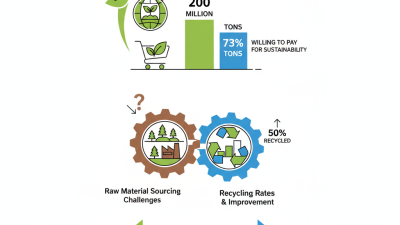
Selecting the right packaging paper involves understanding the variety available in the market. Different types of packaging papers offer unique benefits but also come with limitations. For instance, kraft paper is popular due to its strength and sustainability. Data from the Paper and Paperboard Packaging Environmental Council indicates that about 70% of consumers prefer sustainable packaging options.
Moreover, coated paper provides a glossy finish, enhancing visual appeal. It is often used for product promotion. However, this type lacks the recyclability of kraft paper. According to a recent study, around 60% of consumers are willing to pay more for eco-friendly packaging. This suggests a growing market trend towards sustainable options.
In contrast, tissue paper offers excellent protection for delicate items but is less durable. This can be a point of concern if products are heavy or fragile. Research shows 40% of retailers report issues with product damage due to inadequate packaging. Thus, thoughtful evaluation of your product's needs is crucial when selecting the right type of packaging paper. Balancing aesthetics, durability, and sustainability will help you make an informed decision.
Key Features to Consider When Choosing Packaging Paper
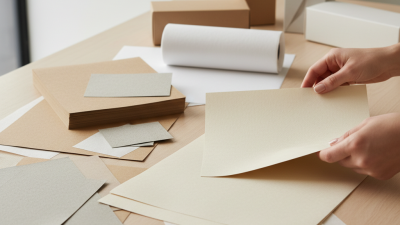
When selecting packaging paper, several key features come into play. Start with the weight of the paper. Heavier paper can provide better durability, making it ideal for products that require added protection. However, overly thick paper can be costlier and may not be eco-friendly. Balance is essential. Consider how the paper will be used. A lightweight option can be effective for simple items but may not suffice for fragile products.
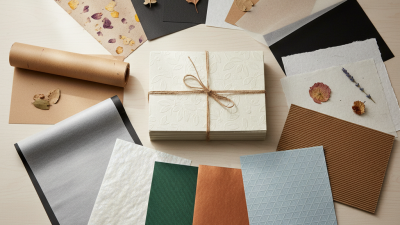
Texture and finish are other important factors. Smooth paper can enhance print quality, giving a high-end look. On the other hand, textured paper appeals to consumers who appreciate a tactile experience. It can differentiate your brand in a crowded market. Additionally, colors and designs impact the visual appeal. A vibrant hue can attract attention, but overly bright colors may not resonate with your target audience.
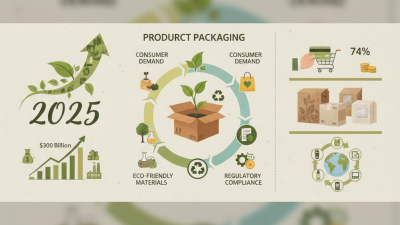
Sustainability is increasingly crucial. Opt for recycled or biodegradable materials to show commitment to the environment. Many consumers care about the planet and prefer brands that align with their values. Evaluate your choices carefully. You might find that a seemingly small detail, like the type of adhesive used, can affect the packaging’s overall quality. Always reflect on how each choice fits into your brand identity and consumer expectations.
Sustainability and Environmental Impact of Packaging Choices
When selecting packaging paper, sustainability should be a primary focus. The environmental impact of packaging choices is significant. Many materials used in packaging contribute to pollution and waste. It’s crucial to consider the source of the paper. Look for recycled options that minimize tree cutting. Sustainable materials often perform well, reducing harm to ecosystems.
Tips for choosing the right paper also include checking for certifications. Papers labeled with environmentally friendly certifications indicate responsible sourcing. This ensures that you are supporting practices that protect forests.
Evaluate the lifecycle of the paper. How does it degrade? Opt for biodegradable options if possible. This helps reduce landfill waste.
Another tip is to assess the visual and functional qualities of the paper. Aesthetic appeal matters, but durability also plays a crucial role. Packaging should protect the product effectively.
Regularly revisiting your packaging choices can reveal areas needing improvement. Are there better options available? Reflect on your current practices to find ways to enhance sustainability. Every small change can lead to greater environmental benefits.
Cost Factors and Budgeting for Packaging Paper Options
When budgeting for packaging paper, several cost factors come into play. Quality and type of material significantly impact the price. Eco-friendly options may be more expensive but can attract environmentally conscious customers. It's a trade-off that requires careful consideration.
Printing techniques also add to the cost. Custom designs may elevate your brand, but they can stretch your budget. So, clarity on the level of branding you need is essential. Sometimes, opting for simple, unprinted designs can save money while still meeting basic packaging requirements.
Always factor in the volume of your purchase too. Bulk ordering often leads to discounts, which can help manage your budget effectively. Yet, overestimating needs can result in wasted resources. Reflect on past purchases and sales trends to avoid pitfalls. Implementing a solid strategy can lead to both savings and efficient packaging choices.