The Best Packaging Paper Options for Your Business Needs?
In today's business landscape, selecting the right packaging paper is crucial. A recent report by Smithers Pira indicates that the global packaging paper market will reach $450 billion by 2025. As sustainability becomes more important, companies must choose options that align with eco-friendly practices. "Packaging paper is not just a means of protection; it’s a way to communicate your brand values," says Dr. Emily Lee, a leading expert in packaging solutions.
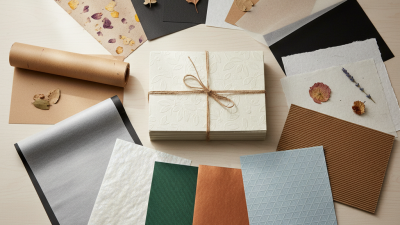
Choosing the right type of packaging paper can significantly impact both cost and customer perception. Various options are available, from recycled kraft paper to specialty papers with unique textures. Each type serves different purposes and targets different audiences. For example, luxury brands often opt for premium papers to enhance their unboxing experience. However, many businesses overlook the benefits of sustainable options, which can enhance brand loyalty.
The challenge lies in balancing functionality, cost, and sustainability. Not all packaging paper is created equal. Business owners need to research their choices carefully. Some types may seem more cost-effective initially but can lead to higher costs if they fail to protect products during shipping. Making informed decisions about packaging paper is essential for long-term success.
The Importance of Choosing the Right Packaging Paper for Businesses
Choosing the right packaging paper is crucial for businesses seeking to enhance their brand identity and customer satisfaction. According to a recent study by Smithers Pira, packaging materials can significantly influence purchasing decisions, with over 72% of consumers indicating that appealing packaging compels them to buy. This underscores the importance of selecting high-quality packaging materials that reflect your brand values.
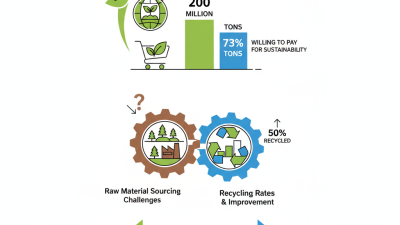
Moreover, the environmental impact of packaging is becoming a top priority. Research shows that 74% of consumers prefer products with sustainable packaging options. Using recycled or biodegradable materials not only helps the planet but also attracts eco-conscious customers. However, many companies struggle to find the right balance between sustainability and cost-effectiveness. This is a complex challenge that requires careful consideration of the materials at hand.
Investing in suitable packaging paper can lead to long-term benefits. A report by Deloitte highlights that well-designed packaging can reduce damage during transit by up to 60%. Businesses must be aware of the trade-offs between cost, durability, and aesthetics when selecting their materials. The right choice can enhance customer retention and contribute to overall business success. Yet, many firms overlook these factors, potentially jeopardizing their market position.
Types of Packaging Paper: Kraft, Greaseproof, and others Explained
Choosing the right packaging paper is essential for businesses aiming to enhance their product presentation.
Kraft paper is a popular option due to its durability and versatility. According to industry reports, the global kraft paper market is expected to grow at a CAGR of 4.5% between 2021 and 2026. This growth highlights the increasing reliance on sustainable packaging materials that offer strength without sacrificing environmental responsibility.
Greaseproof paper is another option worth considering. It is ideal for food packaging as it resists oil and moisture. Market analysis indicates that the food packaging segment of greaseproof paper is projected to grow significantly. However, like all materials, it has limitations. For instance, while it offers great protection, it may not be suitable for longer-term storage of perishable items.
There are also specialty papers that cater to unique business needs, such as recycled paper and biodegradable options. While these alternatives are gaining popularity, they may not provide the same level of durability as synthetic options. Businesses must weigh the pros and cons carefully. Evaluating the specific requirements of the product and the target audience can guide better choices.
Key Considerations for Selecting Eco-Friendly Packaging Paper Options
When selecting eco-friendly packaging paper options, businesses must evaluate their specific needs. Sustainable packaging options largely depend on material sources, functionality, and consumer perceptions. According to a report by the Paper and Paperboard Packaging Environmental Council, over 70% of consumers prefer companies that use recycled materials. This reflects a growing trend towards eco-conscious consumerism.
Key factors include the source of materials and their impact on the environment. FSC-certified papers, for example, ensure that forests are well-managed. However, simply using recyclable materials isn’t enough. Packaging should also be easy to recycle. A survey from Smithers Pira noted that a significant 34% of packaging is not disposed of correctly. This indicates a need for clearer labeling.
Moreover, businesses must consider printing methods and inks. Eco-friendly inks are less harmful, but not all are biodegradable. A company might choose low-VOC inks, but they could still leave environmental footprints. Balancing cost and sustainability is challenging. Many companies grapple with the dilemma of performance versus ecological responsibility. The right choice involves ongoing assessment and adaptation.
Cost Analysis: Comparing Packaging Paper Types for Business Efficiency
When selecting packaging paper for your business, cost is a deciding factor. Different types of paper come with varying prices, impacting your bottom line. A budget-friendly option might save money now, but it could lead to brand image issues later. High-quality paper may seem costly initially, but it reflects your commitment to excellence.
Consider the practicality of each option. For example, recycled paper is eco-friendly. It appeals to sustainable consumers and can improve your brand’s reputation. However, sourcing high-quality recycled paper may incur additional costs. Weigh the benefits against your target market's preferences.
Here are some tips for efficient packaging. Always test samples before committing. Analyze how each type holds up during shipping. Invest in options that offer durability. Make sure the appearance aligns with your brand aesthetics, too. Ultimately, a thoughtful approach to packaging can enhance customer experience and drive long-term success.
The Best Packaging Paper Options for Your Business Needs
| Paper Type |
Cost per 100 sheets ($) |
Weight (g/m²) |
Durability |
Eco-friendliness |
| Kraft Paper |
15 |
90 |
High |
Yes |
| Newsprint |
10 |
40 |
Low |
Yes |
| Tissue Paper |
12 |
30 |
Medium |
Yes |
| Bleached Paper |
20 |
80 |
High |
No |
| Recycled Paper |
18 |
70 |
Medium |
Yes |
Industry Insights: Trends in Packaging Paper Usage and Sustainability
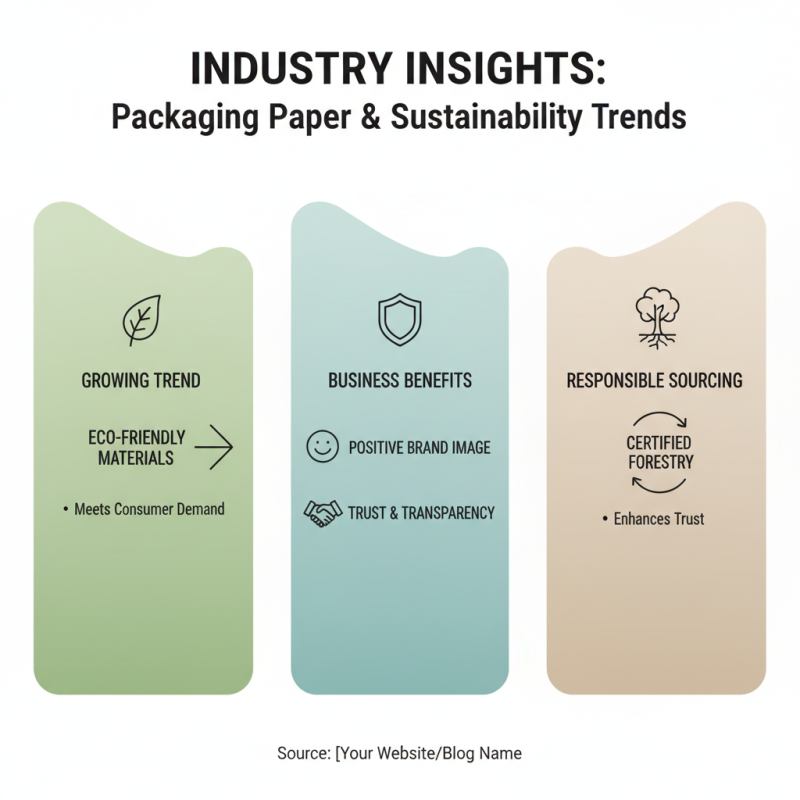
In today's market, sustainability in packaging paper is a growing trend. Many businesses are shifting toward environmentally friendly materials. This not only meets consumer demands but also fosters a positive brand image. Paper sourced from responsible forestry enhances both trust and transparency in business operations.
Recycled paper options play a crucial role in this movement. They reduce landfill waste and lessen resource depletion. However, transitioning to recycled materials can present challenges. Some companies face higher costs or difficulties in sourcing reliable suppliers. Additionally, not all recycled papers deliver the same quality, which can impact product presentation.
Biodegradable options are also gaining traction. These materials break down naturally without harming the environment. Yet, the market is still navigating the balance between cost efficiency and sustainability. There is a need for businesses to assess their specific needs, benchmark against competitors, and prioritize eco-friendly practices to remain relevant in an evolving landscape.