
When it comes to shipping and retail, packaging paper plays a vital role. This seemingly simple material can significantly impact a product's safety, appeal, and sustainability. Understanding packaging paper is essential for businesses aiming to enhance their branding while minimizing environmental footprints.
Choosing the right packaging paper involves considering various factors, such as strength, thickness, and eco-friendliness. Each type of packaging paper offers unique benefits, from kraft for durability to recycled options for sustainability. Quality matters; poor choices can lead to damaged products or unsatisfied customers.
Reflect on your needs. Are you prioritizing cost, appearance, or environmental impact? Identifying your goals will guide you in selecting the best packaging paper. Ultimately, the right choice can enhance customer experience and reflect your brand's commitment to quality and sustainability.

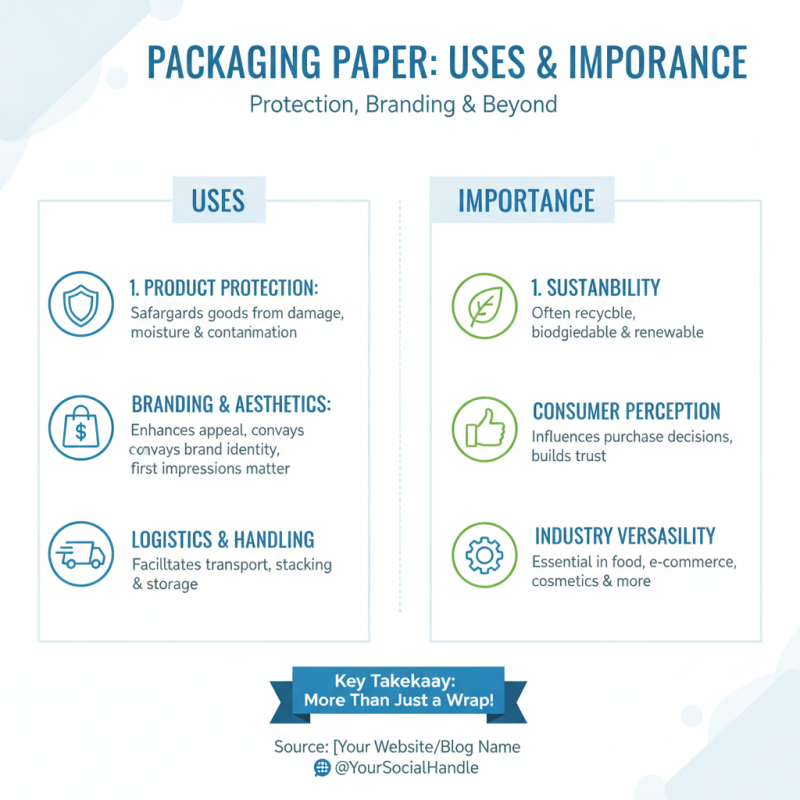
Packaging paper is a crucial component in various industries. It serves multiple purposes, from protection to branding. The right packaging paper not only safeguards products but also enhances their appeal. This combination is vital in the competitive market where first impressions matter.
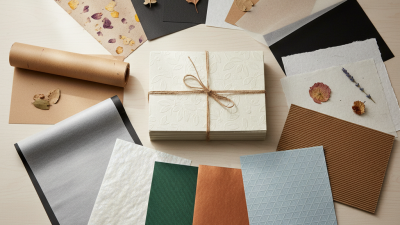
Different types of packaging paper exist to meet diverse needs. Kraft paper is popular for its strength and eco-friendliness. On the other hand, tissue paper offers a delicate touch, ideal for luxury items. Choosing the right type can be challenging. It often requires a balance between functionality and aesthetic appeal.
Moreover, environmental impact is an increasing concern. Many businesses are moving towards sustainable options. However, not all green alternatives are of the same quality. This presents a dilemma: how to ensure eco-friendliness without compromising product integrity? Companies must assess their requirements carefully and stay informed about advancements in packaging technologies.

When considering packaging paper, it's essential to understand the different types available. Each type serves a unique purpose and can significantly impact your product's presentation and protection. Kraft paper, for instance, is popular for its strength and eco-friendliness. According to industry reports, the global kraft paper market was valued at approximately $18 billion in 2021 and is expected to grow steadily.
Another common option is tissue paper, often used for wrapping delicate items or adding a protective layer in packaging. Specialty papers, like wax paper, provide moisture resistance, making them suitable for food packaging. The choice of packaging paper should align with your product's requirements and branding strategy.
Tips: Always consider the weight of the paper. Heavier paper offers more protection but can increase shipping costs. Look for certifications like FSC to ensure sustainability. Also, explore custom printing options to enhance brand visibility.
It's crucial to reflect on your choices. A less well-known paper type may still fit specific needs, but it often lacks broad acceptance in the market. Keep in mind that consumer preferences can shift; what works today may not work tomorrow. Stay informed by reviewing market trends regularly.
| Type of Packaging Paper | Description | Common Uses | Advantages | Disadvantages |
|---|---|---|---|---|
| Kraft Paper | Known for its strength and versatility. | Packaging boxes, bags, and wrapping. | Biodegradable, recyclable, and strong. | May not provide a premium appearance. |
| Chipboard | A thick paperboard made from recycled paper. | Retail packaging, cereal boxes, and games. | Cost-effective and lightweight. | Less durable than corrugated cardboard. |
| Wrapping Paper | Decorative paper intended for wrapping gifts. | Gift packaging and product displays. | Variety of designs and patterns available. | Not suitable for shipping or heavy duty. |
| Parchment Paper | Used primarily in cooking and baking. | Baking cookies, and wrapping foods. | Non-stick surface and heat-resistant. | Generally not recyclable. |
| Newsprint | Lightweight and inexpensive paper. | Cushioning during shipping and packing light items. | Cost-effective and readily available. | Low durability and can smudge. |
Choosing the right packaging paper can significantly impact product presentation and protection. Several key factors should guide this choice. Consider the weight of the items you need to package. Lightweight products may need thinner paper, while heavier items require sturdier options.
The type of product also matters. For fragile items, opt for cushioned or padded paper to prevent damage. Sustainable options are increasingly popular. Using recycled materials not only appeals to eco-conscious consumers but can enhance brand reputation.
Tips for selecting packaging paper: Look for options that provide a balance of strength and flexibility. Test samples to gauge quality. Don't overlook the finish—glossy or matte can influence the overall appeal. Remember to account for storage space. A bulky paper type can lead to waste if it can’t be efficiently stored.
Packaging paper plays a crucial role in eco-friendly practices. Many companies now seek sustainable options that minimize environmental impact. The choice of packaging material affects not just the product but also the planet.
Consider using recycled paper. It reduces waste and lowers carbon emissions. These materials can still be stylish and functional. When selecting paper, check its sourcing and production methods. Look for certified labels that indicate eco-conscious practices.
You might want to explore plant-based alternatives. These options are biodegradable and compostable. They perform well without leaving behind harmful residues. Avoid materials that seem sustainable but are not transparent in their production processes. Pay attention to the details; they can make a significant difference.
Choosing the right packaging paper requires an understanding of various options available on the market. Different papers serve unique purposes. For example, Kraft paper is popular for its strength and biodegradability. A report from Smithers Pira indicates that the global demand for sustainable packaging materials is expected to grow by 4.5% annually, highlighting the importance of eco-friendly alternatives.
When selecting packaging paper, consider the weight and thickness. A thicker paper provides better protection but may increase shipping costs. Research from the Paper and Paperboard Packaging Environmental Council shows that packaging accounts for 30% of the total product weight sometimes. Additionally, the art of sealing techniques matters. Adhesives can affect the overall integrity of the packaging. In some cases, even a minor error can lead to product damage during transit.
Reflecting on personal experiences can help refine your choices. Have previous selections consistently met your expectations? Packaging paper types often need to be tested in real-world conditions. It’s essential to remember that what works for one product may not work for another. Evaluate your specific needs carefully. Adjust your selections based on these reflections.