How to Source Food Grade Paper for Global Packaging?
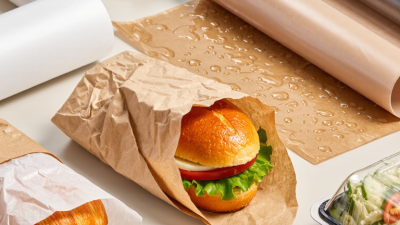
Sourcing food-grade paper for global packaging is not simply a price comparison. It requires evidence about fiber origin, barrier performance, converting quality, and supply continuity. The phrase “food with paper” reflects a practical concern: packaging must protect food without creating avoidable contamination risks. A paper cup, bakery box, or wrapping sheet may look simple. Its inner coating, inks, adhesives, and storage conditions can determine its real suitability.
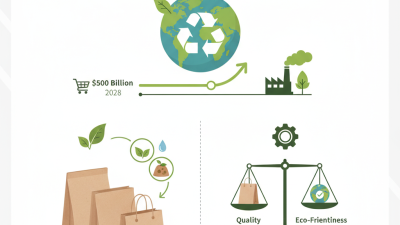
Industry data shows why this category deserves careful planning. The UNEP Food Waste Index Report 2024 estimates that 1.05 billion tonnes of food were wasted in 2022 across households, food service, and retail. Better packaging cannot solve food waste alone, but appropriate moisture, grease, and oxygen barriers can support longer product quality. Smithers’ The Future of Sustainable Packaging to 2029 also identifies fiber-based formats as a major growth area, driven by sustainability goals and changing brand requirements. Meanwhile, FAO forestry assessments continue to emphasize responsible forest management and traceable fiber supply.
A reliable sourcing process starts with a qualified supplier, not a catalog photograph. Buyers should request food-contact declarations, migration test results, pulp traceability, coating specifications, and batch-level quality records. They should also check whether the paper performs after folding, printing, heat sealing, and cold storage. Small trials matter.
Reality is less tidy.
A paper marketed as recyclable may contain a barrier layer that complicates local recycling. A certified mill may still face freight delays or inconsistent converting capacity. Therefore, global sourcing should combine documented compliance, independent testing, factory audits, and practical packaging trials. The strongest decision is rarely the cheapest one.

What Food Grade Paper Is and Why It Matters in Global Packaging
Food grade paper is not simply clean-looking paper. It is paper made for contact with food under defined conditions. Those conditions include direct contact, contact time, temperature, and food type. Heat, moisture, oil, acidity, and storage time can change its performance. The same sheet may suit dry biscuits but fail with hot soup. That distinction matters.
In packaging projects, I examine the paper’s fiber source, additives, coatings, and manufacturing controls. Supplier declarations are useful, but they should not replace independent testing. Migration test results, pulp origin records, and batch traceability provide stronger evidence. Testing should match the intended package, not a generic sample. Paper alone is rarely enough. Coatings, inks, adhesives, and recycled content can influence food safety. A small change in coating weight may affect grease resistance or sealing quality.
Global sourcing adds practical risks. Requirements may differ by destination, food category, and packaging temperature. I ask suppliers for current technical data, compliance documents, and clear storage instructions. Samples should be tested after shipping, folding, printing, and exposure to humidity. A laboratory result from an ideal sheet can disappoint in production. I have learned that attractive paper is not always dependable paper. Cost comparisons also need care, because thinner stock may create more waste through tearing, leakage, or rejected packs. Reliable sourcing means checking evidence repeatedly, even when the supplier appears experienced.
How to Source Food Grade Paper for Global Packaging?
Typical Basis Weight by Food Packaging Format
Food-grade paper is paper or paperboard manufactured with controlled raw materials, additives, coatings, and production hygiene so it can safely contact food under specified conditions. Basis weight is a key sourcing dimension: higher values generally provide greater stiffness and strength, while coatings or laminations may be required for moisture, grease, or oxygen resistance.
Values shown are representative commercial basis-weight ranges commonly used in food packaging; exact specifications depend on the product, filling process, converting method, and applicable food-contact regulations.
How to Define Packaging Requirements and Select Suitable Paper Types
Sourcing food-grade paper starts with a packaging brief, not a mill catalog. Define the product, filling temperature, shelf life, contact area, package shape, and distribution conditions. Note exposure to oil, moisture, oxygen, freezing, and abrasion. Record line speed and sealing method too. These details prevent attractive paper from failing during filling. Small omissions matter.
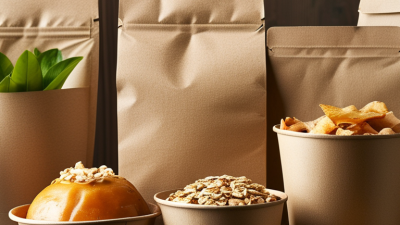
Choose paper by function. Uncoated paper suits dry products and short contact periods. A dispersion-coated grade can improve grease and moisture resistance. For hot or chilled foods, confirm barrier performance at actual temperatures. Paperboard can provide stiffness for cartons, while lightweight paper may suit wraps or sachets. Ask for basis weight, caliper, fiber composition, coating details, and migration test data. Request samples, then test them on the real machine. Laboratory results alone can mislead. Include print adhesion, fold cracking, seal strength, odor, and surface dust in the trial record.
For global sourcing, verify the supplier’s quality system, traceability, batch controls, and change-notification process. Obtain current declarations and test reports for each intended market. Requirements may differ by destination, food type, and recycled content. A documented risk assessment helps purchasing teams compare offers fairly. An early specification can be too broad, allowing samples to pass bench tests but jam at production speed. That mistake is avoidable. Leave room for review. Suppliers should explain limitations, not only strengths. Price matters, but predictable performance protects both the product and the customer.
How to Compare Costs, Minimum Orders, and International Shipping Terms
Sourcing food grade paper globally requires more than comparing the price per ton. A reliable comparison starts with paper weight, coating, roll width, and food-contact test documentation. In my purchasing reviews, freight often changes the ranking. A 10% cheaper quotation can become more expensive after inland delivery, export handling, duties, and port fees. Small details matter.
Minimum order quantities deserve careful attention. Ask whether the MOQ applies to each size, coating, or production batch. For a new packaging line, a smaller trial order may reduce waste, even with a higher unit cost. I once accepted a lower price based on an optimistic sales forecast. The order tied up cash and filled valuable warehouse space. That mistake was avoidable. Request sample quantities and confirm whether tooling or plate charges are separate.
International shipping terms can also hide risk. Under FOB, the buyer usually manages ocean freight after the named port. CIF includes freight and insurance to the destination port, but local charges may remain. DDP can simplify delivery, yet the seller must clearly confirm import responsibilities and final fees. Ask for a written quotation showing currency, validity period, lead time, carton details, and estimated shipping weight. Compare the total landed cost, not only the factory price. Then check production records, inspection procedures, and document consistency before paying a deposit.
How to Source Food Grade Paper for Global Packaging? - How to Compare Costs, Minimum Orders, and International Shipping Terms
Anonymous sourcing benchmark for uncoated food-grade paper used in bags, wraps, pouches, and takeaway packaging
| Sourcing Option |
Typical Application |
Paper Specification |
Food-Contact Documentation |
Indicative FOB Price
USD/Metric Ton |
Typical MOQ |
Production Lead Time |
Recommended Trade Term |
Estimated Ocean Freight
USD/Metric Ton |
Estimated Landed Cost
Before Duty and Tax |
Best Fit |
| A. Standard Kraft Roll |
Paper bags, bakery bags, dry-food wraps |
40–60 gsm; unbleached kraft; roll format; natural brown |
Food-contact declaration; migration test; heavy-metal and PFAS statement |
900–1,250 |
5–10 metric tons |
20–30 days |
FOB or FCA |
70–150 |
970–1,400 USD/MT |
Lowest-cost high-volume packaging |
| B. Bleached White Paper |
Sandwich wraps, confectionery packaging, printed bags |
35–60 gsm; bleached kraft or grease-resistant paper; roll or sheet |
Food-contact declaration; overall migration test; optical brightener statement where applicable |
1,050–1,500 |
8–15 metric tons |
25–35 days |
FOB or CFR |
70–160 |
1,120–1,660 USD/MT |
Clean appearance and retail presentation |
| C. Grease-Resistant Paper |
Fried-food bags, burger wraps, pastry liners |
35–70 gsm; treated or specialty grease-resistant grade; printable surface |
Food-contact declaration; grease-resistance test; PFAS-free statement; migration test |
1,300–1,900 |
5–12 metric tons |
30–45 days |
FOB or CIF |
80–170 |
1,380–2,070 USD/MT |
Direct contact with oily or fatty foods |
| D. Coated Barrier Paper |
Frozen food sleeves, liquid-resistant wraps, premium pouches |
60–100 gsm; water- or dispersion-coated; optional heat-sealable surface |
Food-contact declaration; coating composition; migration and seal-strength tests |
1,650–2,500 |
10–20 metric tons |
35–50 days |
CFR or CIF |
90–190 |
1,740–2,690 USD/MT |
Higher barrier performance and premium formats |
| E. Small Trial Shipment |
Market testing, pilot production, seasonal demand |
Customer-selected grade; usually 35–80 gsm; rolls or sheets |
Sample certificate package and application-specific compliance review |
1,250–2,100 |
500 kg–3 metric tons |
15–25 days if stock is available |
FCA, CPT, or DAP by quotation |
180–450 |
1,430–2,550 USD/MT |
Low-risk qualification before scaling |
Cost comparison rule
Compare the same basis weight, roll width, moisture specification, packing method, and delivery port. A lower FOB price may become more expensive after freight, insurance, handling, and inland delivery.
Shipping-term rule
FOB gives the buyer control of main-carriage freight. CIF includes ocean freight and insurance to the destination port, while DAP normally includes delivery to the named place but excludes import duty and tax.
Compliance check
Request current food-contact declarations, migration test reports, recycled-fiber information, coating details, and a PFAS statement where grease resistance is required. Confirm the rules of the destination market before purchase.
Data note: Price, freight, MOQ, and lead-time figures are indicative international procurement ranges for planning purposes. Actual quotations vary by origin, order volume, paper width, exchange rates, port pair, season, packaging method, and applicable import requirements. Landed-cost ranges exclude customs duty, import tax, destination handling, demurrage, and inland delivery unless included in the stated trade term.
How to Manage Sampling, Quality Checks, and Long-Term Supply热在线精品
Sourcing food-grade paper for global packaging requires more than a clean appearance. Start with the package’s actual use: dry goods, oily foods, frozen items, or hot filling. Each condition changes the required barrier, strength, and compliance evidence. Ask suppliers for pulp origin, coating details, allergen controls, and declarations for the target market. Keep every document linked to a batch number. Small gaps become expensive later.
Request samples from a normal production run, not only hand-made sheets. Test basis weight, caliper, moisture, Cobb value, tensile strength, odor, and print or sealing performance. For oil-contact packaging, include grease resistance and migration testing through an accredited laboratory. Check three production lots when possible. A single pass proves little. Test twice. Store retain samples in sealed bags, with dates and test conditions. In practice, attractive paper can curl after humidity exposure; testing in a dry room alone may hide this weakness.
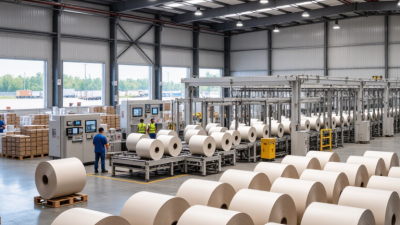
Long-term supply depends on controlled change, not promises. Agree on specifications, acceptable tolerances, inspection methods, lead times, and complaint response. Require advance notice for pulp, coating, equipment, or site changes. Review quarterly forecasts against capacity and safety stock. Audit traceability from incoming materials to finished rolls. Keep a backup source, but qualify it before an emergency. It may cost more. Yet an untested replacement can stop a packing line. Recheck compliance when regulations or packaging designs change. Perfect systems do not exist; disciplined records make weak points visible.