How to Choose the Best Paper Food Bags for Your Business?
Choosing the right food bags paper is crucial for any business in the food industry. The options available are abundant, often leading to confusion. Selecting the perfect paper bag can impact your brand image and customer experience.
Quality is paramount. Durable food bags paper withstand transit, ensuring your products stay intact and presentable. Custom designs can help your brand stand out, making a lasting impression on customers. Environmental impact is also worth considering. Sustainable options are increasingly preferred by consumers.
It’s essential to balance aesthetics and functionality. Not all food bags paper are created equal. You must evaluate size, weight capacity, and usability. Customer feedback plays a vital role in refinement. Don’t hesitate to reassess your choices over time to meet changing needs. Choosing wisely can enhance your business’s reputation.
Understanding the Different Types of Paper Food Bags Available
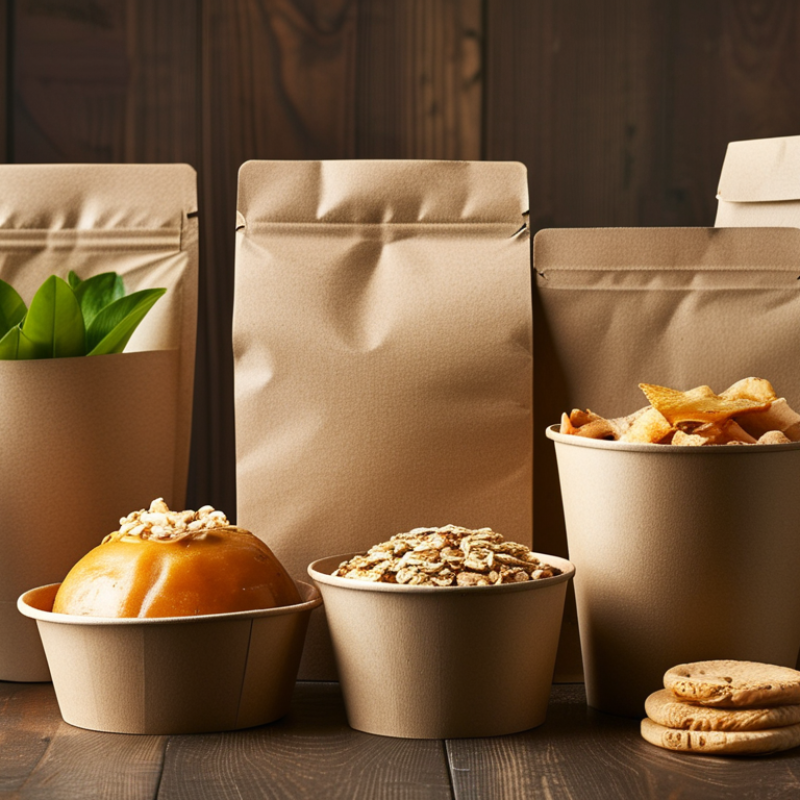
When selecting paper food bags for your business, it's vital to understand the various types available. Different bags serve specific purposes, impacting your operational efficiency and customer experience. For instance, flat paper bags are ideal for sandwiches and pastries. They provide easy access and minimal packaging bulk. In contrast, gusseted bags offer more space, making them suitable for larger items like salads or snacks. Their design allows for easy storage and stacking, crucial for busy environments.
Moreover, consider biodegradable options. These allow your business to align with environmental values. Customers appreciate eco-friendly choices and may even prefer your brand for this reason. Nevertheless, not all biodegradable bags perform the same. Testing their durability and suitability for your products is necessary. It's a balance between sustainability and functionality. Reflecting on your specific needs is critical. What do your customers value the most? Understanding their preferences can inform your choice of bag style.
Comparison of Different Types of Paper Food Bags
Evaluating the Size and Capacity Requirements for Your Business
When selecting paper food bags, size and capacity are critical factors. Your choice should depend on your menu offerings and typical portion sizes. For instance, a food establishment that sells sandwiches may require bags that hold up to 10 inches in width and 12 inches in height. This ensures customers receive their meals without spills or mess, enhancing the dining experience.
According to industry reports, over 75% of consumers prefer packaging that aligns with their meal’s portion. If your bags are too small, customers may complain. Conversely, oversized bags can lead to wastage and contribute to environmental concerns. Hence, evaluating your actual needs based on average customer orders can prevent unnecessary expenses and dissatisfaction.
Furthermore, consider storage space for your bags. Aligning the bag size with your inventory capacity is crucial for efficient management. An often-overlooked aspect is the adaptability of bags to accommodate special events or seasonal menu items. Investing time in analyzing both current and potential requirements can save costs in the long run. Quality analysis provides actionable insights for making informed decisions.
Considering Eco-Friendly Options for Sustainable Packaging
In today's world, the choice of packaging can significantly impact your business’s image. Eco-friendly paper food bags appeal to environmentally conscious customers. They reduce plastic waste and are often biodegradable. Using such options can also enhance your brand’s reputation. Many consumers prefer to support businesses that prioritize sustainability.
When selecting paper bags, consider your material sources. Recycled paper is a great eco-friendly choice. It minimizes environmental impact and aligns with sustainability goals. However, not all recycled options are created equal. Some might not meet durability standards. You may find that some products use less sustainable adhesives or finishes. It’s crucial to research and choose suppliers that prioritize eco-friendly practices.
Product design also plays a role. Simple, clear designs can reduce ink usage. This choice complements eco-friendly materials. However, balancing aesthetics and sustainability can be challenging. You might find designs that look great but use harmful coatings. Always reflect on these aspects for better outcomes. Your commitment to eco-friendly packaging can inspire others within your industry.
Analyzing Cost-Effectiveness and Quality of Paper Food Bags
When selecting paper food bags, cost-effectiveness and quality are paramount. A recent industry report indicates that the global paper bag market is projected to reach $6.5 billion by 2025. This growth is largely fueled by the rising demand for sustainable packaging in the food sector. Businesses must evaluate their needs against the durability and functionality of these bags. Not all paper bags are created equal; the weight capacity and resistance to grease can vary significantly.
Quality considerations often extend to the production process. A study from the Environmental Protection Agency revealed that 70% of consumers prefer paper bags over plastic due to their eco-friendliness and recyclability. However, cheaper paper bags may compromise on strength and moisture resistance. A well-designed paper food bag can lead to higher customer satisfaction and reduced returns.
Still, businesses should reflect on the initial investment versus long-term savings. While high-quality paper bags may incur higher upfront costs, they can reduce waste and improve brand reputation. Analyzing customer feedback and market trends is crucial. Regular reviews of bag performance and adjustments based on consumer preferences could lead to better decisions. This creates a loop of continuous improvement for your packaging strategy.
Identifying Suppliers and Procurement Strategies for Bulk Orders
Identifying reliable suppliers for paper food bags is crucial for businesses. A recent industry report from Smithers notes that the demand for sustainable packaging is growing by 5.4% annually. This trend underscores the importance of selecting suppliers who prioritize eco-friendly materials. Many businesses overlook the significance of durable designs, which can lead to increased costs from leakage or damage.
When making bulk orders, establishing strong relationships is vital. Companies often face challenges in quality consistency and lead times. Research shows that 42% of businesses encountered delays due to poor supplier communication. To combat this, consider visiting supplier facilities. On-site assessments can reveal production capabilities and practices.
Additionally, companies should weigh procurement strategies carefully. Volume discounts can save money but may require larger upfront investments. Reports indicate that strategic sourcing can enhance supply chain resilience. Flexibility in choosing suppliers also plays a key role. Engaging multiple suppliers can mitigate risks related to market fluctuations and demand spikes.
How to Choose the Best Paper Food Bags for Your Business? - Identifying Suppliers and Procurement Strategies for Bulk Orders
| Supplier |
Location |
Minimum Order Quantity |
Price per Bag |
Delivery Time (Days) |
Sustainability Certification |
| Supplier A |
USA |
1000 |
$0.10 |
10 |
FSC Certified |
| Supplier B |
Canada |
500 |
$0.12 |
7 |
SFI Certified |
| Supplier C |
UK |
2000 |
$0.09 |
14 |
PEFC Certified |
| Supplier D |
Australia |
1500 |
$0.11 |
5 |
ISO 14001 |
| Supplier E |
Germany |
1000 |
$0.13 |
8 |
Carbon Neutral |