
Food-grade paper is designed to contact food without transferring harmful substances, odors, or unwanted flavors under intended conditions. It appears in bakery bags, sandwich wraps, takeaway boxes, tea filters, and paper cups. Yet “paper” alone does not guarantee safety. The fibers, coatings, inks, adhesives, and manufacturing process all matter.
A reliable assessment begins with the food itself. Dry biscuits may need simple moisture protection, while greasy fried food requires stronger resistance to oil migration. Hot soup can challenge paper strength, coatings, and seams. In practical packaging work, a container may look clean and sturdy, but its inner coating still deserves careful review. That assumption is easy to make. It can also be wrong.
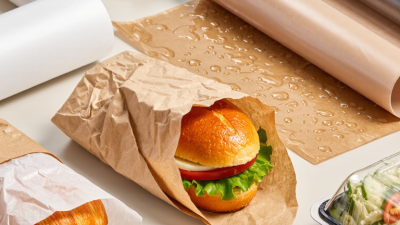
The phrase food with paper describes a familiar experience: a warm pastry held in a crisp paper bag, or lunch separated by a thin wrapping sheet. Good packaging should protect that food without changing its taste, smell, or appearance. Suppliers should provide material specifications, food-contact declarations, and suitable test information. Buyers should also confirm intended temperature, storage time, humidity, and direct-contact conditions. Requirements can differ by market and application, so one certificate may not answer every question. Packaging teams sometimes focus on appearance and forget disposal, recyclability, or coating recovery. That is worth reconsidering. A responsible choice balances food protection, manufacturing consistency, user safety, and environmental performance. This article explains what food-grade paper means, how it is made, where it is used, and which details deserve attention before purchase.
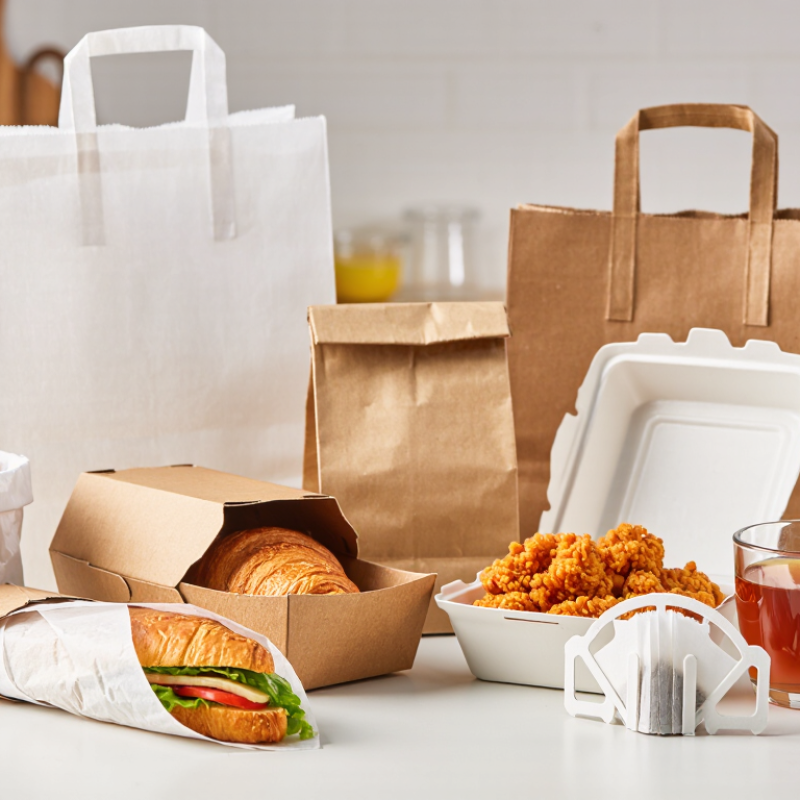
Food grade paper is paper made and controlled for direct or indirect contact with food. It uses suitable fibers, additives, inks, and adhesives that should not transfer harmful substances during normal use. The term can sound reassuring, but it is not a complete guarantee. Paper must match the food, temperature, moisture, and storage conditions.
In food packaging, paper is valued for its light weight, printable surface, and easy forming. It can become a sandwich wrap, bakery bag, tray liner, carton, or takeaway container. A dry biscuit may need only a clean paper layer. Hot soup needs stronger protection. It may require a grease-resistant or moisture-resistant barrier. That barrier can change recycling performance, so designers must consider the entire package, not only its appearance.
Good practice starts with supplier documentation, migration testing, and clear production controls. Packaging teams should check fiber sources, coatings, inks, odor, and cleanliness. A package that looks safe may still fail when exposed to heat or oil. Real factory experience also shows that storage matters. Humidity can weaken paper before filling begins. Small errors happen. Regular testing and traceability help identify them early. Food grade paper is useful because it balances safety, function, and presentation, but its performance depends on proper material selection and careful handling.
| Paper Type | Typical Basis Weight | Main Characteristics | Common Food Packaging Uses | Typical Barrier Performance | Important Food-Contact Considerations | End-of-Life Notes |
|---|---|---|---|---|---|---|
| Uncoated Kraft Paper | 40–120 g/m² | Strong, printable, lightweight, and commonly made from virgin or recycled cellulose fibers. | Paper bags, bakery bags, outer wraps, dry-food pouches, and food-service packaging. | Good strength; limited resistance to oil, water vapor, and liquid foods unless treated or combined with another material. | Must be manufactured with suitable fibers, additives, inks, and adhesives for the intended food-contact application. | Usually recyclable when clean and free from plastic or heavy food contamination. |
| Greaseproof Paper | 30–60 g/m² | Dense paper with low porosity and strong resistance to the migration of oils and fats. | Wrapping for pastries, sandwiches, butter, confectionery, fried foods, and bakery products. | Good grease resistance; generally limited protection against water vapor and oxygen. | Suitable performance depends on the food, temperature, contact time, and compliance of processing additives. | Often recyclable if it is not laminated, waxed, or heavily contaminated with food residue. |
| Glassine Paper | 30–90 g/m² | Smooth, translucent, calendered paper with a compact surface and good resistance to grease and air passage. | Individual wrapping for sweets, tea, bakery items, dry snacks, and specialty food products. | Good grease and moderate aroma protection; moisture resistance is limited without an additional coating. | Surface treatments and printing materials must be appropriate for direct or indirect food contact. | Generally compatible with paper recycling when supplied without plastic or metallic laminates. |
| Silicone-Coated Baking Paper | 35–60 g/m² | Paper substrate with a silicone release coating that provides non-stick performance and heat resistance. | Baking sheets, oven liners, cake bases, roasting applications, and food preparation liners. | Good release and grease resistance; not designed as a complete moisture or oxygen barrier. | Temperature limits and repeated-use instructions should follow the product specification; food-contact suitability must be verified. | Recycling acceptance varies because the silicone coating can affect fiber recovery; local guidance should be followed. |
| Polyethylene-Coated Paper | 60–180 g/m², including coating | Paper laminated or coated with polyethylene to improve resistance to liquids, grease, and moisture. | Paper cups, takeaway containers, soup cartons, frozen-food packaging, and liquid-food cartons. | Good liquid and moisture resistance; barrier level depends on coating thickness and package construction. | The coating, adhesives, inks, and paper must all be suitable for the intended food and temperature conditions. | Not normally recyclable in standard paper streams unless a facility can separate the polymer coating from the fibers. |
| Aqueous or Dispersion-Coated Paper | 50–180 g/m², including coating | Paper with a water-based functional coating designed to improve grease, moisture, or heat-sealing performance. | Food wraps, bakery packaging, snack bags, trays, and heat-sealable paper pouches. | Performance ranges from moderate to good, depending on the coating chemistry and application weight. | “Water-based” does not automatically mean food-safe; the complete structure must be evaluated for the intended use. | May be more compatible with paper recycling than plastic-laminated paper, but acceptance depends on coating load and local systems. |
| Paperboard | 180–500 g/m² | Stiffer and thicker than ordinary paper; can be printed, folded, coated, or formed into cartons and trays. | Cereal cartons, bakery boxes, confectionery cartons, meal boxes, sleeves, and dry-food containers. | Good structural protection; moisture, grease, and oxygen barriers normally require a coating or inner lining. | Direct-contact use requires suitable board composition and compliant surface treatments, especially for fatty or moist foods. | Usually recyclable when clean and not heavily laminated, waxed, or contaminated. |
| Corrugated Food-Contact Board | Typically 250–700 g/m², depending on flute and liners | Multi-layer structure consisting of liner papers and a fluted medium, providing cushioning and stacking strength. | Produce boxes, shipping cases, transport cartons, and outer packaging for packaged foods. | Strong mechanical protection; limited direct resistance to liquids, grease, and high humidity unless treated. | Direct contact with unpackaged food may require a suitable inner liner or specially controlled materials. | Widely recyclable when dry, clean, and free from plastic films or excessive food contamination. |
| Wax-Coated Paper | 50–150 g/m², including coating | Paper treated with a wax layer to improve moisture resistance and provide a smooth release surface. | Some bakery wraps, produce packaging, confectionery packaging, and short-term food-service applications. | Moderate moisture and grease resistance; limited heat and oxygen barrier performance. | Wax type, migration behavior, intended temperature, and food-contact regulations must be checked before use. | Generally unsuitable for conventional paper recycling because wax can interfere with fiber processing. |
| Key point: Food grade paper is paper manufactured and finished for a defined food-contact application. It is not automatically safe merely because it is made from paper. Compliance depends on the fiber source, recycled-content controls, coatings, inks, adhesives, manufacturing hygiene, food type, contact time, and temperature. Packaging should be selected and tested according to the applicable food-contact requirements in the destination market. | ||||||