China Top Product Packaging Paper Suppliers?
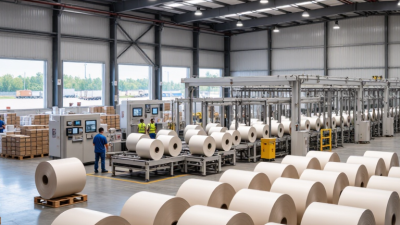
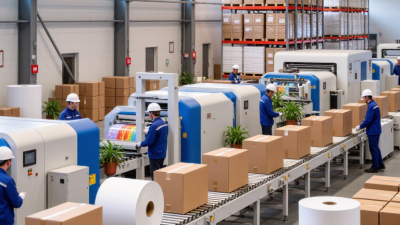
China’s product packaging paper suppliers serve food, beverage, cosmetics, electronics, and e-commerce brands worldwide. Their strengths vary widely. Some operate large integrated mills. Others specialize in coated sheets, kraft paper, recycled grades, or custom converting.
Philip Kotler, a leading marketing scholar, described packaging as “the fifth P” alongside product, price, place, and promotion. That idea remains practical today. The paper’s surface, stiffness, printability, and fiber source can influence both shelf appeal and customer trust.
This article outlines China’s leading product packaging paper suppliers through a buyer’s lens. It considers mill capacity, product range, export experience, quality control, and environmental documentation. It also examines whether suppliers can provide food-contact declarations, recycled-content evidence, FSC certification, or other relevant records. Certifications matter. They do not tell the whole story.
A reliable supplier should explain basis weight, moisture limits, brightness, Cobb value, and bursting strength clearly. Samples should be tested before large orders. A bright sheet may print beautifully but perform poorly in humid shipping conditions. That mistake is costly.
Supplier rankings are never permanent. Prices, energy costs, raw-material access, and production stability can change quickly. Some companies present polished catalogs, yet their actual converting capacity needs closer review. This guide therefore balances public information with practical purchasing concerns. The strongest choice is not always the largest mill. It is the supplier that consistently matches paper performance, compliance needs, delivery schedules, and realistic packaging goals.
What Is Product Packaging Paper and Why Does China Supply It?
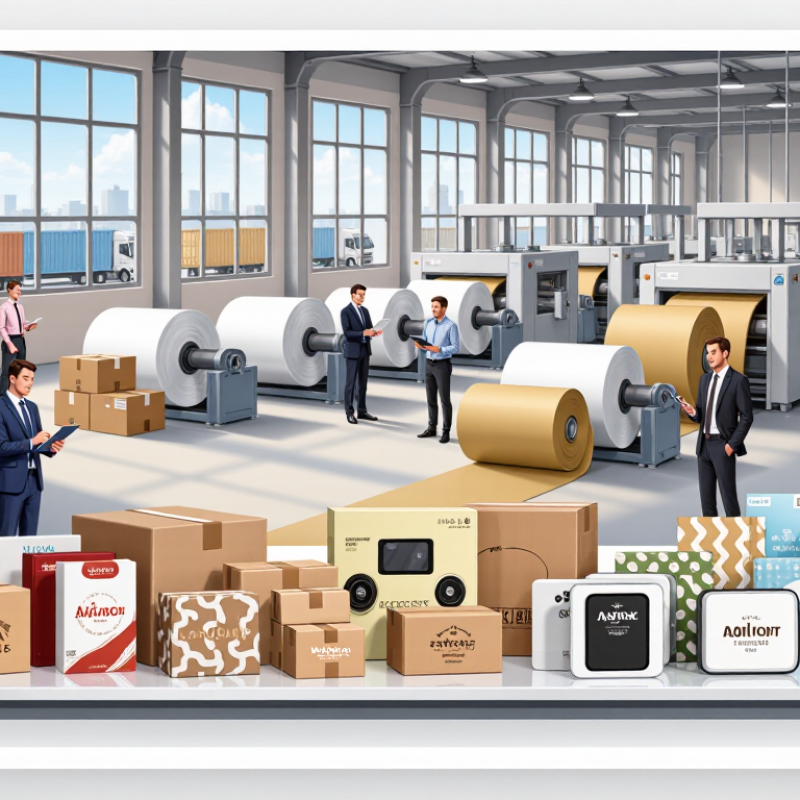
Product packaging paper is engineered paper used to protect, present, and transport goods. It includes kraft paper, folding boxboard, coated paper, corrugated liner, and specialty grades. Each grade serves a different purpose. Some provide stiffness for retail boxes. Others resist grease, moisture, or surface scuffing.
In practical sourcing work, buyers often assess more than appearance. They check paper weight, bursting strength, folding performance, printability, and moisture levels. Food-related packaging also requires suitable compliance documents and migration testing. A sample may look excellent but fail during filling or transport. That detail is easy to miss.
China supplies packaging paper because its paper mills, coating facilities, converters, and printing factories operate within a broad manufacturing network. This structure supports large orders and custom specifications. Buyers can request different sheet sizes, surface finishes, recyclable structures, and delivery schedules. Strong transport infrastructure also helps move materials from inland production areas to export ports.
Cost is another factor, but it should not control every decision. A low quotation can hide inconsistent thickness or weak quality control. Reliable suppliers usually provide production samples, batch records, inspection reports, and clear tolerance ranges. Independent testing adds confidence. Still, sourcing from China is not automatically simple. Communication gaps, changing pulp costs, and delayed approvals can affect results. Careful audits and written specifications remain necessary.
How to Evaluate China’s Top Packaging Paper Manufacturers
Choosing China’s top packaging paper manufacturer requires more than comparing prices. Review the factory’s experience with your product type, such as food cartons, retail boxes, or protective wrapping. Ask for recent production samples, not only showroom pieces. Check paper weight, moisture resistance, folding performance, print compatibility, and edge quality. A reliable supplier should explain its testing process clearly.
Visit the production site when possible. Observe pulp storage, coating lines, cutting equipment, and finished-goods handling. Request quality records, material traceability, and relevant environmental or safety certificates. Confirm monthly capacity, minimum order quantities, lead times, and backup plans for busy seasons. Communication matters too. Slow answers often become costly delays. Still, a polished factory tour does not prove consistent delivery. One excellent sample is not enough evidence. I would test several batches before making a long-term decision.
Tips: Compare three suppliers using the same specification sheet. Ask for a pre-production sample and a final inspection report. Check whether quoted prices include packaging, testing, and shipping preparation. Keep written approval records for color, thickness, and surface finish. Small details can change the final result.
China Packaging Paper Supplier Evaluation: Common Basis-Weight Ranges
Basis weight is a practical starting point when evaluating packaging paper manufacturers. The ranges shown represent common commercial specifications in grams per square metre (g/m²). A qualified supplier should provide stable production across the required range, consistent thickness, reliable surface performance, and documentation for food-contact or sustainability requirements where applicable.
Major Applications and Industries Served by Packaging Paper
Packaging paper from China serves a wide range of products and industries. Food manufacturers use coated paper for takeaway boxes, bakery cartons, and dry-food pouches. The material must resist grease while supporting clear printing. Moisture-sensitive foods often need barrier layers, but excessive coating can reduce recyclability. This balance deserves careful testing.
Retail packaging uses folding carton paper for cosmetics, household goods, small electronics, and personal-care products. Its smooth surface supports detailed graphics and controlled color reproduction. Strong paperboard protects items during stacking and transport. However, a visually attractive carton may still fail if its folding structure is poorly designed.
E-commerce companies commonly select corrugated liner paper and kraft-based materials for shipping boxes. These grades help absorb impact, reduce product movement, and manage warehouse handling. Industrial suppliers also use packaging paper for spare-part wraps, protective separators, and pallet interlayers. Agricultural businesses need practical options for produce trays and paper sacks.
Paper weight is not everything. Humidity, storage time, printing method, and filling speed can change performance. From supplier evaluations, sample trials reveal problems that specifications sometimes miss. A carton can feel strong in a showroom but soften in a damp warehouse. That is an uncomfortable lesson.
Buyers should review fiber sources, testing records, food-contact suitability, and production consistency. Clear communication about intended use remains essential, especially when packaging crosses climates or distribution systems.
Quality Standards, Customization, and Export Considerations
China Top Product Packaging Paper Suppliers?
Quality starts with measurable standards, not attractive samples. Reliable suppliers should provide basis weight, thickness, moisture, brightness, and tensile-strength data. Ask for recent laboratory reports, production records, and batch traceability. Food-contact packaging requires suitable declarations and migration testing for the destination market. Certifications can support trust, but buyers should verify their scope and validity. Paper may look identical while performing differently on a fast packing line.
Customization involves more than printing a logo. Discuss paper grade, coating, folding resistance, color tolerance, roll width, sheet size, and packing method. Request a physical sample before approving mass production. Samples reveal problems. Test them under real humidity and stacking conditions. I have seen attractive paper curl after sea transport because the moisture barrier was poorly matched. That detail can disrupt filling, sealing, and shelf presentation.
Export planning deserves equal attention. Confirm the HS code, Incoterms, container loading plan, pallet treatment, and shipping documents. Moisture-proof wrapping, corner protection, and desiccants can reduce damage during long voyages. The supplier should explain lead times and production tolerances clearly. A written inspection plan is useful, especially for color and roll defects. Still, no checklist is perfect. Port delays, changing import rules, or unclear packaging instructions may create avoidable costs. Buyers should compare total landed cost, not only the quoted paper price. Reliable communication matters when specifications change.