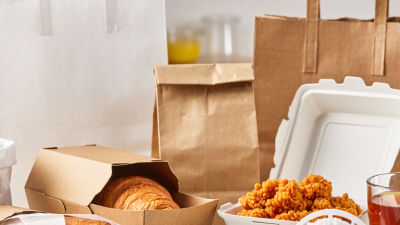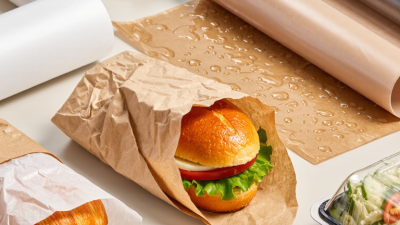

Food in paper packaging is everywhere: takeaway boxes, coffee cups, bakery bags, and cartons with smooth inner coatings. Paper looks natural, but appearance is not proof of safety. Food-contact paper must control moisture, grease, inks, adhesives, coatings, and possible chemical migration. Recycled fibers may also carry residues from previous uses. The package’s purpose matters. A dry biscuit creates different risks from hot soup or oily fried food.
The World Health Organization estimates that contaminated food causes about 600 million illnesses and 420,000 deaths worldwide each year (WHO, Estimates of the Global Burden of Foodborne Diseases, 2015). Packaging is only one part of that safety chain, but it can influence contamination and shelf life. The U.S. Food and Drug Administration’s food-contact guidance emphasizes intended use, temperature, food type, and migration testing. The European Commission’s reports on food-contact materials also stress compliance, traceability, and proper manufacturing controls. Meanwhile, Smithers’ paper-packaging market outlook shows continued demand for paper-based formats, especially as brands reduce conventional plastic use.
Dr. Robert Gravani, a Cornell food-safety expert, states, “Food safety is a shared responsibility.” That principle applies directly to food in paper. Manufacturers must verify materials. Retailers must store products correctly. Consumers should not assume every paper package suits reheating or long contact with oily foods. Paper can be safe. Not automatically. This article examines how paper packaging is made, which substances may migrate, and what evidence supports a safer choice. Some answers remain less simple than the package label suggests.
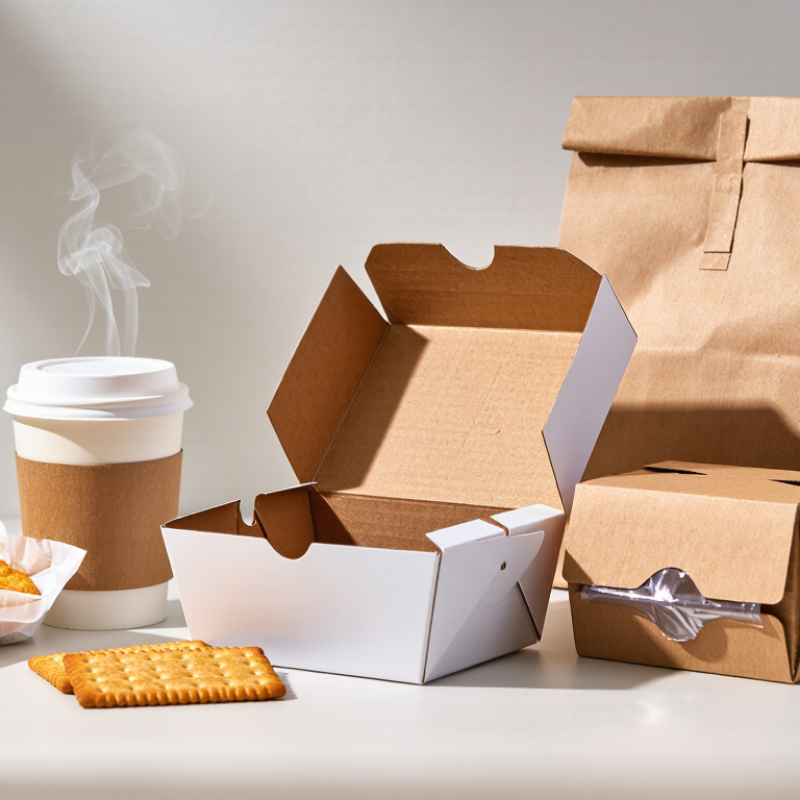
Food in paper packaging means food placed in containers made partly or mainly from paper fibers. A pastry box, sandwich wrap, takeaway bowl, or paper cup fits this description. The material may look simple, but it often includes a thin barrier layer. That layer helps resist oil, moisture, heat, or oxygen. Without it, hot curry could soften the fibers within minutes. Paper is not automatically safer than plastic or metal. Safety depends on the food, temperature, contact time, recycled content, inks, adhesives, and barrier materials.
Food-contact specialists assess whether substances can migrate from packaging into food. They also examine strength, odor, moisture resistance, and performance during normal use. A package suitable for dry cookies may not suit soup or oily noodles. Reliable manufacturers provide evidence from migration testing and quality checks. Still, real use is messy. A container may be tested under standard conditions, while a customer leaves it beside a hot window for hours. That difference deserves attention.
Tips: Check that the package is intended for food contact. Use it only for the foods and temperatures stated. Do not reuse damaged paper packaging. Avoid placing very hot, greasy food inside a weak or uncoated box. If the paper becomes soggy, smells unusual, or loses its shape, move the food to a suitable container.
| Packaging Dimension | General Assessment | What Food in Paper Packaging Means |
|---|---|---|
| Basic Definition | Material-Based | Food in paper packaging refers to food placed in containers, wraps, cartons, bags, or sleeves made mainly from paper or paperboard. The package may also include coatings, adhesives, inks, or thin barrier layers. |
| Food-Contact Safety | Generally Safe | Paper packaging is generally safe when it is manufactured for food contact, complies with applicable food-contact requirements, and is used for the type of food and temperature conditions specified by the packaging supplier. |
| Dry Foods | Well Suited | Paper and paperboard are commonly suitable for dry foods such as cereal, flour, crackers, rice, and baked goods because these products place relatively low demands on moisture and grease resistance. |
| Moist or Greasy Foods | Needs a Barrier | Foods containing water, oil, or grease may require a suitable coating, lining, or inner layer. Uncoated paper can soften, leak, lose strength, or allow food to absorb moisture and oils. |
| Hot Food and Beverages | Use-Specific | Paper containers can be used for hot food and drinks when they are designed and tested for heat, moisture, and direct food contact. Not every paper package is appropriate for hot contents or prolonged heating. |
| Microwave Use | Check Instructions | Paper packaging should only be placed in a microwave when the package or manufacturer explicitly indicates that it is microwave suitable. Metallic details, unsuitable coatings, inks, or adhesives may create safety or performance concerns. |
| Oven Use | Usually Not Suitable | Ordinary paper bags, cartons, and wraps should not be used in an oven unless they are specifically designed and labeled for oven temperatures. Paper can scorch or ignite at high heat. |
| Chemical Migration | Controlled by Design | Substances from paper fibers, recycled content, coatings, inks, or adhesives can migrate into food under certain conditions. Food-contact materials should therefore be selected, tested, and used according to applicable regulations and intended conditions. |
| Recycled Paper Content | Requires Controls | Recycled fiber can support resource efficiency, but it may contain substances from previous uses. Food-contact applications generally require appropriate material controls, functional barriers, or other measures to limit unwanted transfer. |
| Moisture Protection | Varies by Structure | Paper is naturally absorbent. Moisture resistance depends on fiber composition, paper weight, surface treatment, coatings, and whether the package uses a separate inner liner or barrier layer. |
| Grease Resistance | Varies by Structure | Grease resistance is not provided equally by all paper packaging. Packaging intended for oily foods may use grease-resistant paper or a compatible coating designed for the food and storage conditions. |
| Recyclability | Local-System Dependent | Clean and dry paper packaging is often recyclable through paper collection systems. Packages with heavy food residue, plastic or foil laminates, wax-like treatments, or other non-paper components may require separate handling or may not be accepted locally. |
| Compostability | Certification Dependent | A paper package is not automatically compostable. Compostability depends on the complete package, including coatings, inks, adhesives, and liners, as well as the requirements of the relevant industrial or home-composting system. |
| Storage Conditions | Keep Dry and Clean | Paper-packaged food should generally be stored away from excess moisture, condensation, pests, and strong odors. Damage to the package can reduce its protective function and increase the risk of contamination. |
| Main Advantages | Practical and Lightweight | Paper packaging is generally lightweight, printable, easy to shape, and widely used for dry foods. Paper fibers can also be recovered in suitable recycling systems when the package is clean and compatible with local collection rules. |
| Main Limitations | Barrier Performance | Compared with some other packaging materials, untreated paper usually provides weaker resistance to water, grease, gases, and punctures. Additional layers can improve performance but may make recycling more difficult. |
| Best Safety Practice | Follow Intended Use | Use packaging labeled or specified for food contact, follow temperature and storage instructions, avoid reusing single-use packages for unsuitable foods, and dispose of the package according to local recycling or waste guidance. |