How to Choose the Best Custom Printing Paper for Your Needs?
Choosing the right custom printing paper is crucial for achieving desired print quality. A report from Smithers Pira indicates that the global market for custom printing paper is projected to grow steadily, valued at over $140 billion by 2025. This underscores the importance of selecting the right materials for your projects.
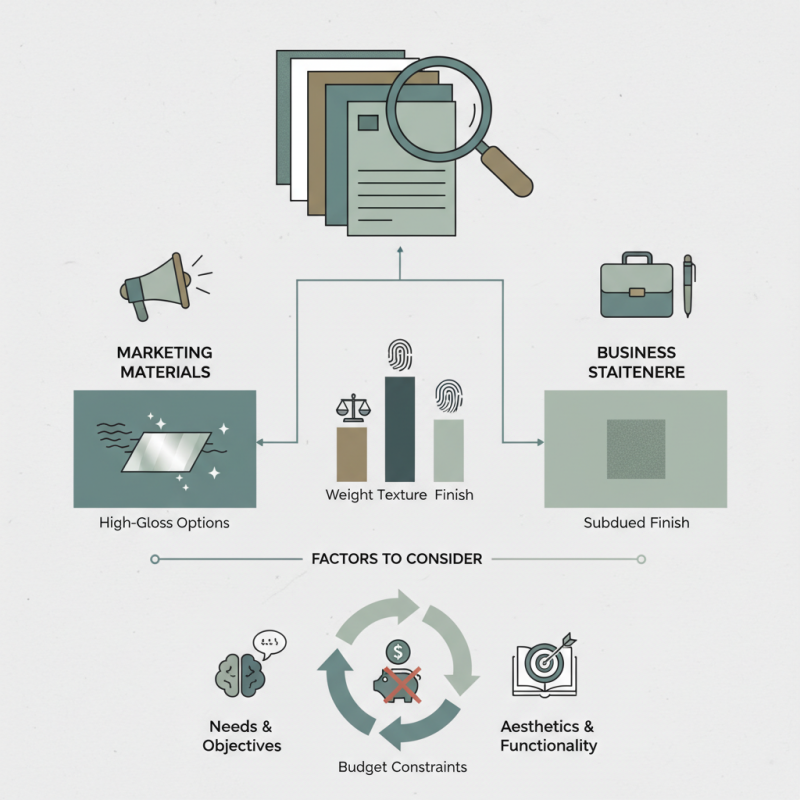
Different projects require specific types of custom printing paper. For instance, marketing materials often benefit from high-gloss options, while business stationery may call for a more subdued finish. According to the Paper and Board Packaging Environmental Council, paper quality significantly affects print clarity and color vibrancy.
It's essential to consider various factors. These include the weight, texture, and finish of the paper. While high-quality options can be appealing, they may not always align with budget constraints. Reflecting on your needs and objectives can lead to a more informed decision. Ultimately, making the right choice can enhance not only aesthetics but also functionality in printed materials.
Understanding Your Printing Needs and Objectives
When choosing custom printing paper, clearly understanding your printing needs is vital. It starts with considering the purpose of your printing project. Are you creating marketing materials, packaging, or art prints? According to the Printing Industries of America, around 70% of businesses feel the paper choice impacts the quality of their presentation. This indicates the importance of a well-informed decision.
Next, consider the weight and finish of the paper. Heavier paper tends to convey a feeling of luxury and quality. A study noted that 65% of consumers associate weight with value. Additionally, the finish can affect how colors appear. Glossy papers enhance vibrancy, while matte finishes provide a sophisticated look. However, many overlook how texture can influence user perception. Respondents often remark on the importance of tactile experience.
It’s also critical to reflect on sustainability. Over 50% of consumers prefer recycled or eco-friendly options. However, some papers labeled as sustainable may not meet all environmental standards. A thoughtful selection process enhances your project’s integrity. Align your objectives with responsible choices to build trust and credibility with your audience.
Exploring Different Types of Custom Printing Paper
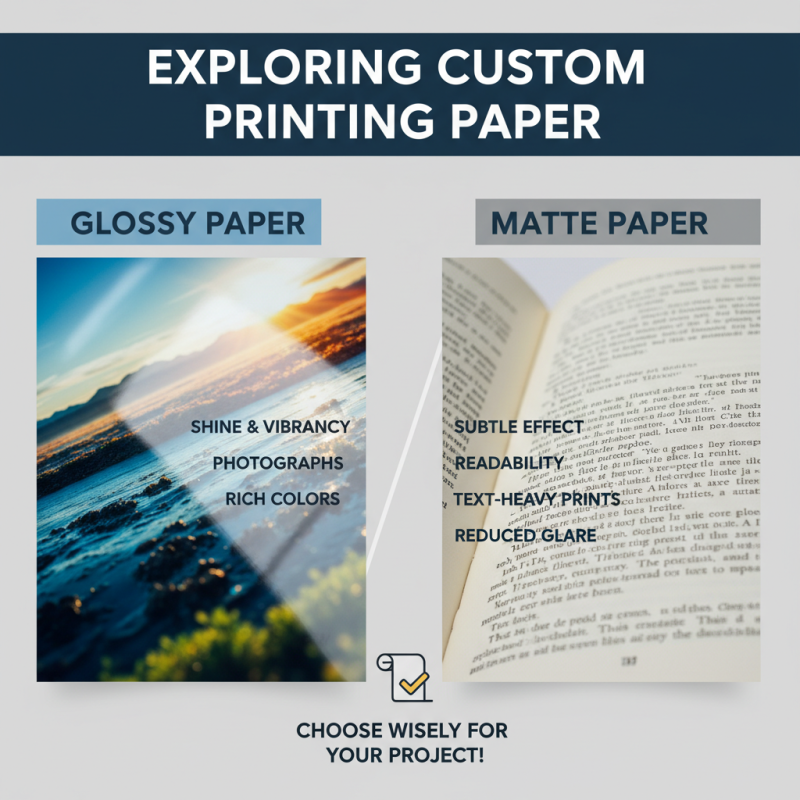
Choosing the right custom printing paper is vital for any project. Various types cater to distinct needs. For instance, glossy paper adds shine and vibrancy to photographs. Matte paper, on the other hand, produces a more subtle effect, reducing glare and enhancing readability for text-heavy prints.
In a recent study by the Paper and Packaging Board, it was found that 74% of consumers prefer printed materials over digital. The five most common types of paper include uncoated, coated, recycled, specialty, and cardstock. Uncoated paper is excellent for writing and drawing. Coated paper offers a smooth finish, ideal for high-quality images. Specialty papers, like textured or colored, can add a unique touch to invitations or design projects.
Reflecting on the choice between these options, it’s essential to consider not just aesthetics, but functionality. Custom printing projects can vary significantly in purpose and audience. Some materials may feel right but may not perform well in printers, leading to wasted resources. Balancing your style preferences with practical considerations is crucial in making a wise decision.
Evaluating Paper Weight and Thickness for Your Project
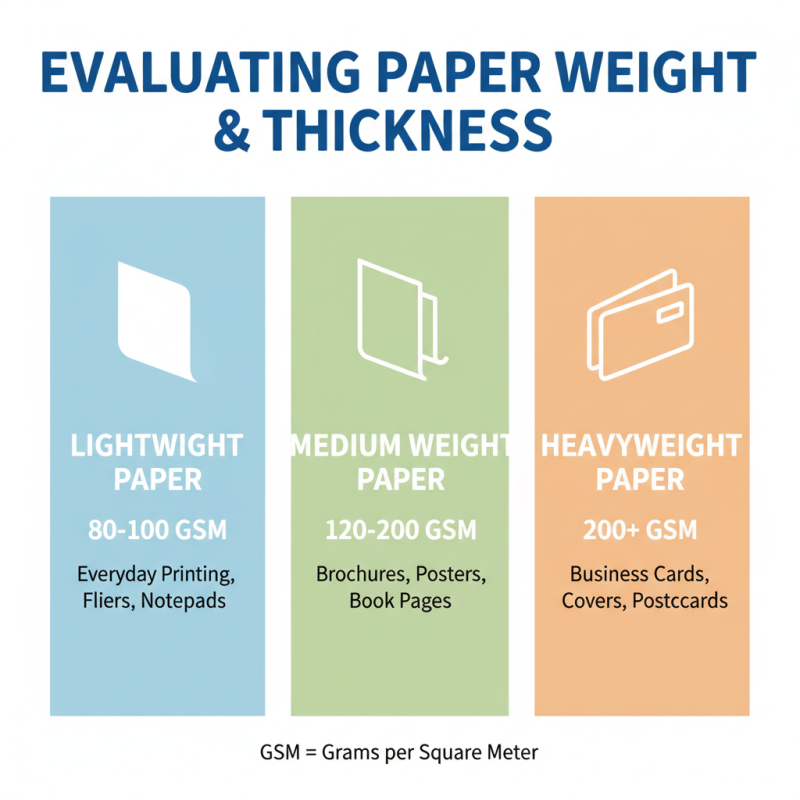
When choosing custom printing paper, paper weight and thickness are crucial factors. A paper's weight, typically measured in grams per square meter (GSM), affects its durability. For instance, lightweight paper (around 80-100 GSM) is suitable for everyday printing. However, it may not hold up well for more demanding projects. Heavier paper (above 200 GSM) offers sturdiness but can be costlier.
Thickness adds another layer of consideration. Thicker paper feels more substantial, which can elevate the quality of your project. It’s perfect for business cards or brochures that need to leave a lasting impression. But, be cautious; thick paper might not feed well through all printers. In contrast, overly thin paper can lead to smudging or tearing, especially if ink saturation is high.
Tips: Always test a sample of the paper with your printer. Different printers handle weights differently. Think about how the paper will be used. If it’s for mailing, consider the additional weight for postage. Reflect on the visual impact; heavier papers often appear more professional. Balancing cost and quality is essential. Don't hesitate to ask for professional advice when unsure.
Considering Finish Options: Glossy, Matte, and Textured
When selecting custom printing paper, finish options play a crucial role.
Glossy paper offers a shiny, reflective surface that enhances colors. It attracts attention, making it ideal for marketing materials.
A 2021 report showed that glossy finishes can increase engagement by up to 30%. However, fingerprints and glare can detract from the overall quality.
Matte paper, in contrast, provides a non-reflective surface. It presents a sophisticated look, perfect for professional documents and art reproductions.
While colors may appear slightly muted, they add an air of elegance. According to industry analysts, matte finishes are preferred by 60% of design professionals for business presentations.
However, they are more prone to scuffing, so consider this when choosing.
Textured paper adds a unique tactile element to printed pieces. It can elevate a simple design into something memorable. The tactile experience enhances the perception of quality, making it a popular choice for
invitations or high-end brochures. Despite its appeal, textured paper can complicate printing processes, leading to inconsistent results.
Users need to weigh these factors carefully.
Budgeting for Custom Printing Paper and Additional Costs
When budgeting for custom printing paper, it's crucial to consider all costs. According to a recent industry report, material costs can account for up to 40% of the total printing expenses. Knowing your budget helps select paper that meets both quality and cost requirements. Specialty papers may cost more initially, but they often yield better prints. This decision should consider the overall value rather than just the upfront price.
Additional costs also arise with custom printing. The average setup fee for custom designs can range from $50 to $150. This expense varies based on complexity. Shipping costs should not be overlooked, especially for bulk orders. A significant factor is turnaround time. Faster delivery typically incurs higher costs. Knowing these details ensures more accurate budgeting.
Choosing the right paper isn't just about cost. A balance between quality and affordability is essential. Make sure to calculate total expenses accurately. Clients often focus on initial paper costs and overlook hidden fees. These oversights can lead to unexpected financial strain. Reflecting on these factors makes for a more informed decision in the printing process.