How to Choose the Best Supermarket Paper for Your Business Needs?
Choosing the right supermarket paper is crucial for any retail business. It affects customer experience and operational efficiency. According to industry expert John Smith, "The right supermarket paper can elevate a brand and streamline operations." His insights highlight the importance of this seemingly simple choice.
In the supermarket industry, various types of paper serve different purposes. From checkout receipts to packaging materials, each type has specific features and benefits. Many businesses overlook the impact of quality supermarket paper. It's easy to forget that customers notice the feel of the paper. A sturdy receipt or eco-friendly bag can influence their perception of value.
Companies face challenges when selecting supermarket paper. Cost, sustainability, and functionality are all factors to consider. It's not always clear what suits a company's unique needs. This complexity invites reflection and assessment. Understanding the nuances of supermarket paper is vital. It can lead to more informed decisions, benefiting both the business and its customers.
Understanding the Different Types of Supermarket Paper Available
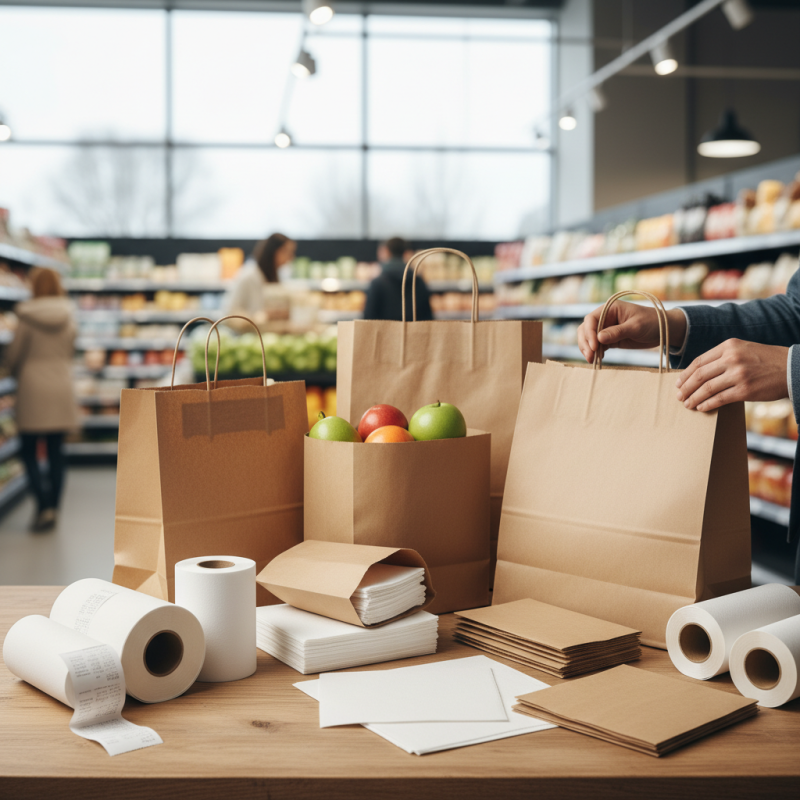
When selecting supermarket paper for your business, understanding the types available is crucial. Supermarket paper comes in various forms, such as butcher paper, kraft paper, and thermal paper. Each of these options serves different purposes and offers unique benefits.
Butcher paper is excellent for wrapping meat. It’s durable, allowing proper airflow. This helps maintain freshness, reducing spoilage. Kraft paper is often used for bags and packaging. It is strong and recyclable, aligning with eco-friendly practices. Thermal paper, on the other hand, is ideal for receipts. It allows fast printing but may not be suitable for long-term storage.
Tips: Consider the type of products you sell. If you deal with
perishable items, opt for butcher paper. If your focus is on packages, kraft paper may suit you better. Always assess the cost-effectiveness of these materials. Sometimes, cheaper options may lack essential features, leading to waste. Keep your customers' needs in mind when making a choice.
Assessing Your Business Requirements for Paper Use
When selecting paper for your supermarket, consider your specific needs. Different operations may require various types of paper. For example, if you manage a bakery section, you might need greaseproof paper for packaging baked goods. In contrast, grocery aisles might require sturdy bags or wraps for fresh produce. Each paper type has a unique function.
Evaluate the volume of paper your business uses. A high turnover rate in your store means you will need paper that can withstand wear. Consider factors like durability, thickness, and cost. You may find that cheaper options don't always meet quality standards, leading to waste. Occasionally, reflecting on past decisions can reveal better choices for the future.
Also, think about sustainability. Many shoppers prefer eco-friendly options. Using recyclable or biodegradable materials can enhance your store's public image. However, sourcing this type of paper may present challenges. It’s essential to weigh the benefits against potential costs and supply chain issues. Balancing needs with practicality takes consideration and adaptation.
Paper Type Usage in Supermarkets
This chart displays the estimated usage of different types of paper in supermarkets, highlighting the preferences based on business needs.
Evaluating Quality and Durability of Supermarket Paper
Choosing the right supermarket paper is crucial for any business. Quality and durability play significant roles in ensuring customer satisfaction. When evaluating supermarket paper, consider its thickness and texture. A thicker paper often signifies strength and better performance. However, not all thick paper provides the same level of durability.
Test the paper in various conditions. Does it hold up against moisture? How does it perform when used for heavy items? These factors can greatly impact your business operations. Look for papers that resist tearing and maintain their integrity. Consider also the printing capabilities; some papers offer better prints without smudging. This can enhance your branding and customer experience.
Remember that not all suppliers provide reliable products. Research your options thoroughly. Seek reviews and testimonials from other businesses. Be mindful of pricing, but do not compromise quality for a lower cost. Finding the right balance can be a challenge, but it is essential for success.
Sourcing Sustainable Options for Eco-Friendly Supermarket Paper
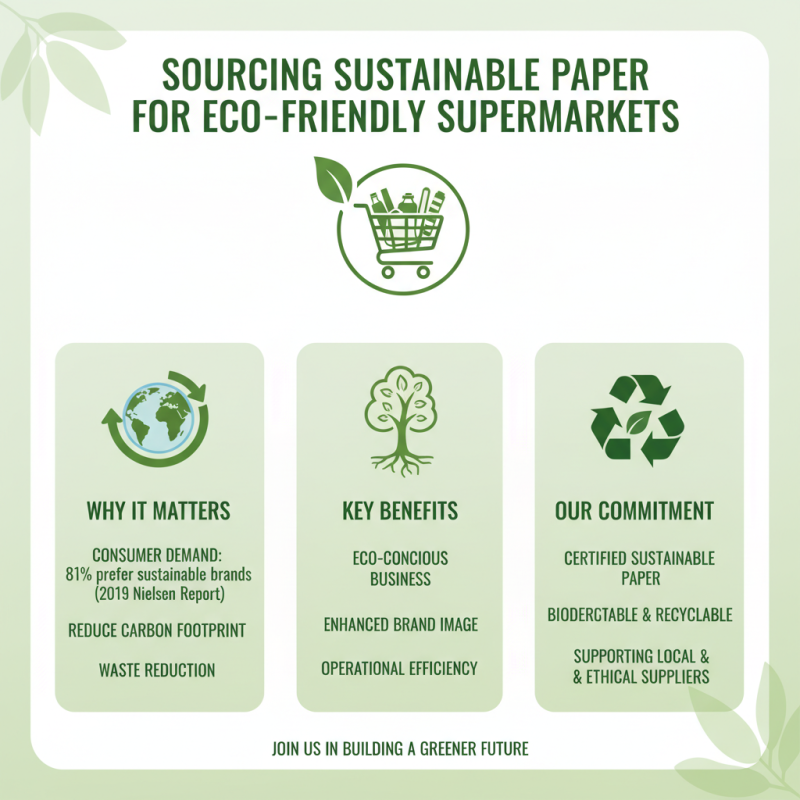
Choosing sustainable supermarket paper is crucial for eco-conscious businesses. The demand for eco-friendly products is on the rise, with a 2019 Nielsen report indicating that 81% of consumers feel strongly about sustainable brands. Sustainable paper can significantly reduce your carbon footprint and help in waste reduction.
When sourcing paper, consider options made from recycled materials. According to the Environmental Protection Agency, recycling one ton of paper can save around 17 trees. Additionally, look for certifications like FSC (Forest Stewardship Council) to ensure ethical sourcing. Not all suppliers meet the same standards, and your choice can have a lasting impact on the environment.
While sustainable options may come at a higher cost, the benefits often outweigh the initial investment. For instance, a study from the Natural Resources Defense Council found that sustainable practices can enhance brand loyalty and customer satisfaction. However, it's essential to evaluate the trade-offs, including potential supply chain challenges. Keeping an open dialogue with suppliers can lead to better solutions that support both the environment and your business goals.