
How to Choose Paper Food Bags for Global Buyers?

Choosing paper food bags for global markets involves more than comparing prices and printed designs. Buyers must assess material strength, food-contact suitability, moisture resistance, and packing performance. A bag that looks attractive in a sample room may tear when filled with warm bread or stacked during transport.

In practical sourcing, small details often reveal product quality. Check the paper weight, handle attachment, folding edges, and inner lining. Ask suppliers for material specifications, test records, and clear production samples. The phrase “food bags paper” may describe many products, but kraft takeaway bags, bakery sacks, grease-resistant pouches, and flat-bottom bags serve different purposes. Their performance should match the food, climate, and delivery distance.

Global purchasing also requires careful communication. Confirm dimensions in millimeters, printing colors, carton quantities, and acceptable production variations. Review packaging before shipment, especially when orders cross humid regions or long supply chains. No selection is perfect. A heavier bag can improve strength but increase cost and shipping weight. A water-resistant coating may protect the bag but affect recyclability or local disposal expectations. These trade-offs deserve honest discussion rather than convenient promises. This guide examines practical criteria for choosing reliable paper food bags, helping buyers compare suppliers with greater confidence and fewer costly surprises.
How to Choose Paper Food Bags for Global Buyers?

What Are Paper Food Bags and Why Do Global Buyers Use Them?

Paper food bags are flexible containers made mainly from kraft or other food-grade paper. They hold items such as bread, pastries, snacks, takeaway meals, and dry groceries. Some bags use paper windows, twisted handles, or inner coatings for grease and moisture resistance. The inner layer matters. Tiny leaks damage trust.

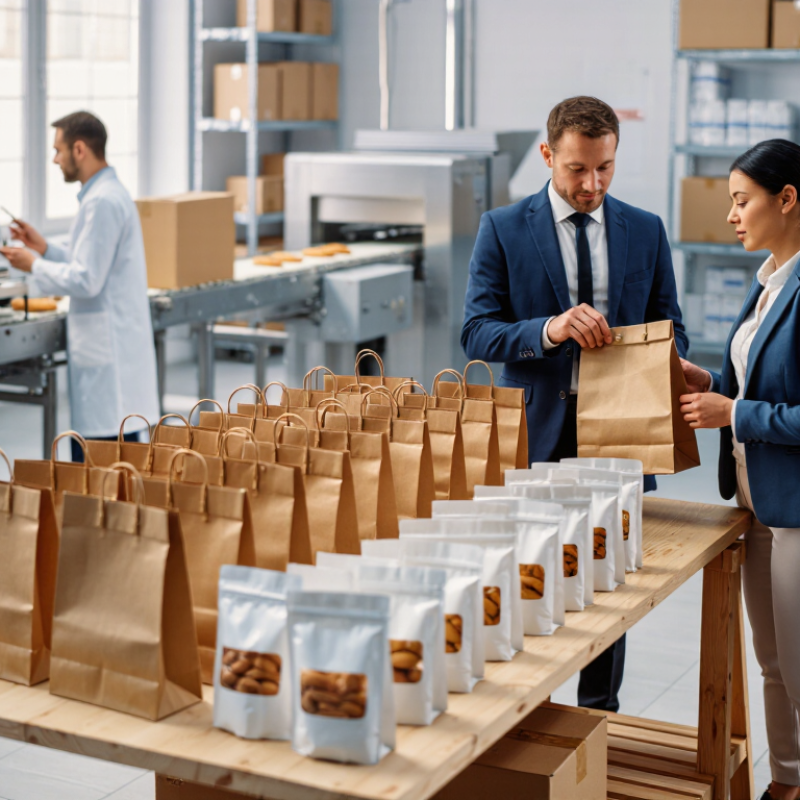
Global buyers choose these bags because they are light, stack efficiently, and reduce storage space during shipping. Their printable surface also supports clear product information and local language requirements. In practical sourcing, buyers compare paper weight, bag dimensions, handle strength, opening design, and packing methods. A strong sample should survive filling, carrying, and short-term contact with warm food.

Food safety documentation remains essential. Buyers should request material specifications, migration test reports, and production quality records from suppliers. Requirements differ across markets, so one certificate may not satisfy every destination. Confirming recycling rules is also important, especially when bags contain plastic windows, coatings, or mixed materials. The word “green” can mislead. Paper is renewable, but its environmental value depends on sourcing, production, transport, and disposal. A thicker bag may feel better, yet it can use unnecessary material. This is where purchasing decisions need honest review, not assumptions.

Which Paper Food Bag Materials and Structures Fit Your Products?

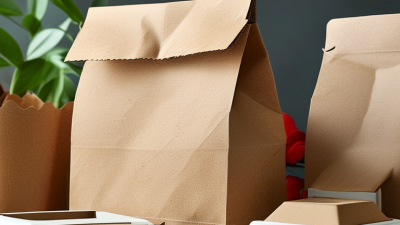
Choosing paper food bags starts with the product, not the appearance. Dry bread, roasted coffee, frozen snacks, and oily pastries need different structures. Kraft paper offers strength and a natural texture. Greaseproof paper manages light oil exposure. For heavier products, a multi-layer structure improves resistance to tearing. However, extra layers can complicate recycling. A plain kraft bag is not always the greener choice.

The FAO’s Global Forest Products Facts and Figures 2023 reports global paper and paperboard production at approximately 423 million tonnes. This shows the scale of the fiber supply chain, but supply alone does not guarantee quality. Bag weight, fiber origin, moisture, sealing performance, and food-contact compliance still require verification. CEPI reported an 82% paper recycling rate in Europe in 2023, yet laminated or heavily coated bags may not follow the same pathway. Window bags look attractive. They also need closer recycling review.

Tips: Match the structure to the product’s moisture, oil, temperature, and shelf-life demands. Test filled bags during stacking and transport. Ask suppliers for basis weight, barrier data, migration documentation, and recycling guidance. Do not rely on vague terms like eco-friendly. In practice, a lighter bag may fail quickly, while a stronger bag may reduce waste. That trade-off deserves honest testing.

How to Evaluate Food Safety, Strength, and Barrier Performance

How to Choose Paper Food Bags for Global Buyers?

Paper food bags should be judged by performance, not appearance. Paper is not automatically food-safe. Ask for food-contact declarations, migration test results, and batch traceability. Confirm that inks, adhesives, coatings, and recycled fibers suit the intended food type. Hot fried food can expose weak materials quickly. A bag may look clean but fail under heat, oil, or moisture.

Strength testing should match real handling. Check grammage, tensile strength, tear resistance, seam quality, and top-load performance. A practical trial helps: fill the bag with the planned product, carry it across a warehouse, and stack it for several hours. For barrier performance, review grease resistance and moisture protection. Tests such as Cobb, KIT, water vapor transmission, or oil penetration may be useful, depending on the structure. Barrier layers can improve protection, but they may affect recyclability. That trade-off deserves honest discussion. I would not rely on a supplier’s general specification alone.

Tips: Request samples from different production batches. Test them with hot, oily, or chilled foods. Inspect seals after transport simulation. Check destination-market requirements before ordering. Keep written records of every result. Small details matter. A slightly loose fold can become a serious leak. Also, test printing durability. Faded ink is not only unattractive; it can weaken buyer confidence and complicate traceability.

How to Compare Customization, Sustainability, and Production Standards

Global buyers should compare paper food bags through three lenses: customization, sustainability, and production standards. A suitable bag must fit the product, not only the artwork. Check bag dimensions, paper weight, handle strength, and opening design. Ask for samples filled with the real food weight. A printed sample can look excellent but fail during transport. I have seen attractive bags tear at the side seam. That detail is easy to miss.

Sustainability needs evidence, not vague claims. Review the paper source, recycled content, coating type, and ink composition. Confirm whether the material suits direct or indirect food contact. Request current certificates, test reports, and traceability records. These documents should match the actual production site and bag structure.

Production standards also matter. Check hygiene controls, batch inspection, tensile testing, and migration testing where applicable. Requirements may vary by destination market. A supplier’s general certificate is not always enough. This is where buyers should slow down and ask better questions.

Tips: Compare samples under cold, hot, and humid conditions. Keep the same product weight during testing. Request a written specification before approving artwork. Verify certificate dates and issuing laboratories. Discuss acceptable defects, color variation, and delivery tolerance. Do not choose the lowest quote too quickly. A small saving may create larger replacement costs. My own evaluation process is still imperfect; packaging performance can change with storage time, humidity, and handling. Build a review step into every order.

How to Select Suppliers, Check Costs, and Manage International Orders

How to Choose Paper Food Bags for Global Buyers?

Selecting a reliable supplier requires more than comparing product photos. Request samples before placing a large order. Check paper thickness, bag strength, handle attachment, printing quality, and odor. Ask for food-contact documentation and recent quality inspection records. A supplier should explain production timelines clearly. Communication matters when specifications change across languages and time zones.

Cost calculations must include more than the unit price. Add printing plates, inner packaging, inspection fees, freight, insurance, customs charges, and possible storage costs. A low quotation can look attractive, but I have learned that unclear shipping terms often create expensive surprises. Confirm the currency, payment schedule, minimum order quantity, and delivery responsibility in writing. For international orders, review carton dimensions carefully. Oversized cartons may increase freight costs.

Tips: Compare at least three written quotations. Keep one approved sample for future checks. Confirm color tolerance before printing. Use clear purchase specifications. Ask how defects are handled. Recheck every number before payment. Small errors become costly. Delivery estimates can also change, so build a practical buffer into your launch plan. Even experienced buyers miss details sometimes. That is why a simple checklist remains useful.

How to Choose Paper Food Bags for Global Buyers?

Compare common kraft-paper basis-weight benchmarks when evaluating suppliers, product durability, shipping costs, and international order requirements.

How to use this benchmark: Lightweight 60–80 g/m² paper is commonly used for lighter retail or takeaway applications, while 90–120 g/m² paper is more suitable for heavier products and stronger handles. Ask suppliers to confirm the paper basis weight, bag dimensions, handle construction, moisture resistance, packing method, lead time, Incoterms, and total landed cost before placing an international order.