
What Is the Best Paper for Paper Bags?

Choosing the best paper for paper bags depends on what the bag must carry, how it will be used, and how it should look. A small boutique bag may need a smooth surface for printing. A grocery bag needs dependable strength and handles that stay secure under weight. The phrase “paper bags paper” can refer to several options, including kraft paper, recycled paper, and coated grades. Each has trade-offs. Kraft is often chosen for its strength and natural appearance, while recycled paper can support recycled-content goals. Neither choice is automatically right for every project.

This guide will compare common paper types, explain weight and thickness, and show how construction affects performance. It will also consider printing, handle design, moisture exposure, and the intended contents. A paper’s stated weight offers a useful starting point, but it cannot predict bag strength by itself. Test a sample with the actual product. Check the seams. Lift it by the handles. Small details matter. Paper selection can feel straightforward until a heavy item stretches the base or a damp surface weakens the bag. There is no perfect grade. The best choice balances durability, appearance, cost, and material preferences—and sometimes that balance needs a second look.
What Is the Best Paper for Paper Bags?

Key Properties That Determine Paper Bag Performance

The best paper for a paper bag depends on what it needs to carry. A bag for a light bakery box has different demands from one holding several jars. Basis weight affects thickness, but it is not the whole story. Fiber quality, tensile strength, and construction also matter. A heavier sheet can still tear if its fibers or seams are weak. Small details count.

Stiffness helps a bag keep its shape on a counter, while flexibility helps it fold without cracking. For groceries or takeaway items, consider how the paper handles brief contact with moisture. A damp base can soften quickly, even when the rest of the bag looks sound. Recycled fibers can be a practical choice, though performance may vary by grade. A sample that feels sturdy in the hand may behave differently under a real load; I would test it before settling on a specification.

Tips: Put the actual product in a sample bag and carry it by the handles. Check the bottom seam, handle attachment, and folded corners. If the bag may meet condensation or a wet surface, test that condition too. Compare results, not just paper thickness.

Common Paper Grades Used for Bag Manufacturing

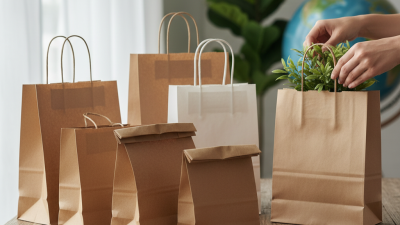
Paper bags are made from several grades, and the right choice depends on load, handling, and finish. For everyday shopping bags, unbleached kraft is a practical option: its long fibers provide tear resistance, while its brown surface suits a simple, natural look. Lighter grades can reduce material use, but may crease or split around handles when heavily loaded.
That matters.

Heavy-duty grocery and industrial sacks often use stronger sack kraft, sometimes in multiple plies. Check basis weight, tensile strength, and tear resistance—not just paper color. A bag carrying jars needs a different specification from one holding soft clothing. Recycled-content kraft can work well for lighter loads, though fiber quality and strength may vary.
Not automatically.

For print-focused bags, bleached kraft offers a smoother, brighter surface, while coated grades can improve resistance to scuffs or moisture. Coatings may complicate recycling, so confirm the complete material structure with the converter. CEPI’s Key Statistics 2023 reported a 79.3% paper and board recycling rate in Europe for 2022. This is regional industry data, not a bag-specific result; it supports designing for fiber recovery, but does not prove every bag is recyclable.
In practice, I would test a filled sample with real handles and expected contents. Paper specifications look tidy on a sheet. A wet sidewalk can expose the gap.

How Paper Weight and Strength Affect Bag Capacity

Paper weight, usually listed as grams per square metre (GSM), gives a useful starting point. But it does not tell the whole story. A heavier sheet may resist tearing, yet bag capacity also depends on paper grade, fibre direction, and construction. The folded base, side gussets, and handle patches can fail before the paper panels do. That detail matters. For groceries, books, or small retail items, choose paper that stays firm when the load shifts.

Two bags with the same GSM can perform differently if one has reinforced handles or a wider, well-folded base. Moisture is another weak point; a damp bottom can soften under a load that felt safe indoors. For a practical check, fill a sample bag with the intended products, lift it by its handles, and set it down several times. Look for stretching, seam gaps, or a base that bows sharply. Test the finished bag. I would not choose paper from a weight chart alone; that shortcut is convenient, but it can be wrong. Real use is messier.

What Is the Best Paper for Paper Bags? — How Paper Weight and Strength Affect Bag Capacity
Paper weight (g/m²) Typical bag use Relative strength Suitable contents Capacity guidance
50–70 Lightweight retail and small takeaway bags Light Cards, small accessories, and other light, dry items Best for low loads; avoid heavy or sharp contents.
70–90 Everyday retail and lighter grocery bags Light to moderate Clothing, boxed goods, and a few lighter groceries A practical choice for modest loads when the bottom and handles are well constructed.
90–120 General-purpose shopping and grocery bags Moderate Books, multiple packaged items, and routine grocery loads A balanced range for many reusable-style paper shopping bags.
120–150 Heavy-duty retail bags and larger shopping bags Moderate to high Heavier boxed products and denser shopping loads Offers more material strength, but handle and seam design still determine safe carrying capacity.
150–200+ Heavy-duty, specialty, or reinforced bags High Bulky or heavy products when the bag is engineered for the load Use with reinforced bottoms and suitably attached handles; test the finished bag before specifying a load limit.
How to choose: For many general-purpose shopping bags, 90–120 g/m² kraft paper is a useful starting point. Higher basis weight usually means more paper per area, but bag capacity also depends on paper grade and grain direction, bag dimensions, bottom construction, seams, handle design, moisture, and how the contents are distributed. The ranges above are selection guidance, not certified load ratings; test the complete bag under its intended conditions. One g/m² means one gram of paper per square metre.

Choosing Paper Based on Bag Design and Intended Use

What Is the Best Paper for Paper Bags?
Choosing Paper Based on Bag Design and Intended Use

The best paper depends on what the bag must carry and how it will be handled. For a lightweight takeaway bag, uncoated kraft paper is often practical: it folds cleanly and gives customers a firm grip. A boutique-style bag may need a smoother surface for crisp printing, while a wide-bottom grocery bag needs stronger paper and reinforced handles. Match the paper’s basis weight to the load, not just the look. More paper can add cost without fixing a weak handle.

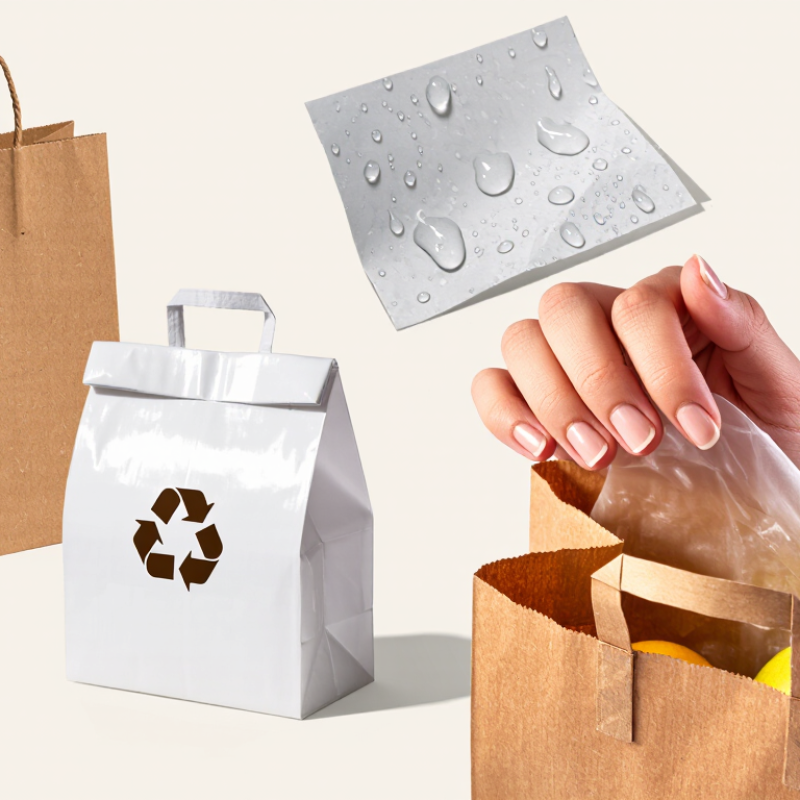
Moisture matters, too. A paper bag carrying chilled food or damp produce may soften, especially at its base. Coatings can improve resistance, but they may affect recycling options. The U.S. Environmental Protection Agency’s 2018 Facts and Figures report estimated that 68.2% of paper and paperboard was recycled. That is useful context, not a guarantee that every coated bag can be recycled locally. Ask the converter about wet-strength performance, handle pull tests, and local collection requirements before approving a sample.

Tips: Fill a prototype with the intended products, lift it by its handles, then set it down on a damp surface. Check the seams and bottom. A sample can reveal problems a specification sheet misses.

What Is the Best Paper for Paper Bags?

Typical paper basis-weight ranges by bag design and intended use

Lightweight kraft paper can suit produce bags, while heavier paper is often chosen for grocery, retail, and gift bags. These are practical planning ranges, not fixed standards; the right choice also depends on bag size, construction, handles, and expected load.

Environmental and Cost Factors in Paper Selection

Choosing paper for a bag means weighing environmental impact against performance and cost. Recycled kraft paper can reduce demand for fresh fiber, but its strength varies with fiber quality and recycled content. A thin sheet may split around a damp grocery item or a sharp box corner. Test the intended load before selecting a grade.

Virgin kraft paper is often stronger at a comparable weight, so a lighter bag may use less material. That can lower shipping costs, though the fiber’s sourcing and production still matter. Ask suppliers for details on recycled content, fiber sourcing, and paper weight. I would not judge a paper by one environmental claim alone; transport distance and local recycling options also shape its impact. Small details matter.

Coatings and handles affect both price and disposal. A glossy or water-resistant finish may suit certain products, but can complicate recycling where facilities cannot process it. Plain paper is often easier to sort, though local rules differ. Compare the full bag cost, including printing, handle assembly, breakage, and storage space. Test it first. A sample run with the actual contents can reveal whether a cheaper, lighter paper creates more damaged bags or customer complaints.