2026 Best Supermarket Paper Type for Global Buyers?
Choosing the best supermarket paper for global buyers in 2026 requires more than comparing price lists. Buyers must examine fiber quality, converting performance, food-contact suitability, packaging protection, and supplier consistency. A paper roll may look strong in a sample room, yet tear during high-speed bag production. Small differences matter.
This guide focuses on practical purchasing experience and verified technical factors. It considers kraft paper, recycled paper, coated grades, grease-resistant paper, and lightweight options. Each type serves different supermarket needs, including produce bags, bakery wrapping, takeaway packaging, shelf liners, and shopping bags. Moisture resistance remains important. So does printability.
Reliable sourcing also depends on supplier audits, clear specifications, test reports, and traceable production records. Global buyers should review basis weight, tensile strength, burst strength, porosity, brightness, and migration compliance where relevant. Local regulations can differ. A certificate alone may not prove long-term performance.
Cost still influences every decision. However, the cheapest supermarket paper may create waste, machine stoppages, or customer complaints. That risk is easy to underestimate. Buyers should request samples and conduct realistic trials with actual equipment, folding speeds, inks, adhesives, and storage conditions. Laboratory data helps, but field results deserve equal attention.
Some recommendations remain imperfect. No single paper grade fits every market or climate. Recycled content can support sustainability goals, but it may affect strength and appearance. Coatings can improve performance, yet they may complicate recycling. Careful testing is necessary before approval. This article helps international buyers compare options with clearer evidence, fewer assumptions, and more practical confidence.
Supermarket Paper Types by Use: Kraft, Recycled, Coated, and Corrugated
For global supermarket buyers, paper selection should follow the product, shelf life, and handling route. Kraft paper suits grocery bags, flour sacks, and produce wraps because its long fibers provide useful tear resistance. Recycled paper works well for cartons, inner packs, and dry goods. However, its color and strength can vary by fiber quality. The FAO Forestry Production and Trade report places global paper and paperboard production above 400 million tonnes annually. That scale makes fiber sourcing and material efficiency important purchasing concerns.
Coated paper fits chilled-food labels, bakery sleeves, and premium dry-goods packaging. Its smoother surface improves printing and can resist light grease. It may be harder to recycle when coatings or mixed materials are used. Corrugated board remains practical for transport cases and store replenishment. Its fluted middle layer protects cans, jars, and stacked boxes during handling. Smithers identifies retail distribution and e-commerce as major corrugated packaging demand drivers. The European paper industry reported a recycling rate of about 79% in 2022, according to CEPI. Yet recycled content is not automatically the best choice. Wet products, long shipping routes, and heavy loads still require careful testing.
Tips: Ask for basis weight, recycled content, moisture resistance, and compression results. Test filled cartons on a real pallet, not only in a laboratory. Check local collection systems before specifying coated stock. A cheaper paper can create damaged shelves and extra waste. I have seen attractive lightweight packs fail under humid storage. That mistake is easy to repeat.
2026 Best Supermarket Paper Type for Global Buyers
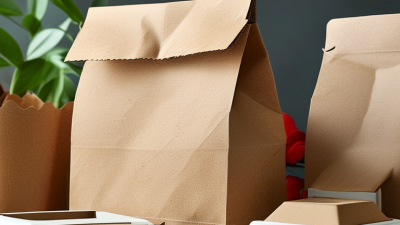
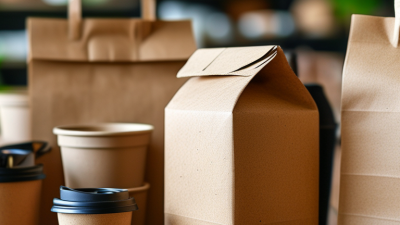
Supermarket paper selection depends on the application. Kraft and recycled papers are commonly used for shopping bags, coated papers support printable packaging and labels, while corrugated board provides higher strength for transport and shelf-ready cases.
Chart guide: The bars show indicative typical basis-weight ranges in grams per square metre (g/m²). Higher basis weight generally means greater stiffness and material strength, although performance also depends on fiber quality, coatings, flute structure, and converting design.
Global Sustainability Benchmark: CEPI Reports a 79.3% European Recycling Rate
2026 Best Supermarket Paper Type for Global Buyers?
The strongest supermarket choice is often recycled kraft paper with controlled virgin fiber content. It offers useful strength, a natural surface, and better material efficiency. CEPI reports a 79.3% European paper recycling rate, based on its 2023 industry statistics. This figure shows a mature collection system, but it does not guarantee equal performance everywhere. Moisture, grease, inks, and mixed materials can still reduce recyclability.
Global buyers should compare more than recycled content. The EU’s Joint Research Centre highlights durability, recyclability, and resource efficiency in packaging assessments. Paper weight matters on a busy checkout counter. A 70–90 gsm bag may suit light groceries, while heavier loads need reinforced bases and handles. Recycled fiber can vary in strength. That is a practical weakness, not a reason to reject it. Buyers should request test results for tear resistance, burst strength, and wet handling. The Paper and Paperboard Packaging Environmental Council also stresses that recycling outcomes depend on local collection and sorting conditions.
Tips: Ask for the exact recycled-content percentage and fiber source. Check whether coatings, laminates, or wet-strength additives affect recycling. Request independent testing and recent mill data. Do not rely on a green symbol alone. A paper bag may look sustainable, yet fail after one rainy delivery. Regional trials are worth the extra effort.
Food-Contact Safety: EU Regulation 1935/2004 and FDA Compliance Checks
For global supermarket buyers, the best paper type is not simply the whitest or strongest sheet. Food-contact safety matters more. A 2024 Smithers market forecast places paper-based packaging above US$500 billion before 2028, increasing pressure on suppliers and testing teams.
Under EU Regulation 1935/2004, paper must not transfer substances that endanger health, alter food composition, or affect taste and smell. Buyers should request a Declaration of Compliance, migration-test results, full material composition, and batch traceability. Regulation 2023/2006 also requires good manufacturing practices.
Check inks, adhesives, coatings, and recycled fibers. The paper itself is rarely the whole story.
For the United States, verify the intended food type, temperature, contact time, and use conditions against FDA requirements, including 21 CFR parts 176.170 and 176.180 where applicable. An FDA statement is not a universal approval. It must match the actual structure and application.
Testing should examine overall migration, specific chemicals, and odor transfer. UNEP’s 2023 Turning off the Tap report identifies packaging as responsible for about 40% of global plastic waste, supporting the shift toward fiber formats.
Still, recycled paper can carry unknown residues if controls are weak. A clean-looking sheet proves little.
I would reject any supplier offering only a generic certificate. That decision may feel inconvenient, but incomplete documents create larger risks during audits, customs checks, and product recalls.
2026 Buyer Selection Matrix: Cost, MOQ, Lead Time, and Carbon Data
For global supermarket buyers, recycled kraft paper is often a practical starting point for shopping bags and shelf packaging. An 80–100 gsm grade can balance strength, print quality, and handling. Cost commonly rises with virgin fiber, higher brightness, coatings, and reinforced handles. Request pricing per 1,000 pieces, including packing and delivery assumptions.
A useful selection matrix should show MOQ, lead time, and carbon data together. Standard sizes may start near 10,000 pieces, while custom dimensions can require 30,000 or more. Regular production may take 25–40 days after artwork approval. Samples usually need another week. Ask for fiber content, recycled percentage, mill location, and carbon results with clear system boundaries. A carbon figure without those details is difficult to compare.
Do not trust the lowest quote alone. A cheaper bag may use thinner paper, causing tearing at checkout and higher replacement costs. I have also seen carbon claims change when transport and electricity assumptions are added. That uncertainty deserves attention. Compare delivered cost, not factory price. Record moisture resistance, handle strength, pallet count, and port distance in the same sheet. Buyers should review the matrix after the first shipment, because real defect rates and lead times may differ from the quotation.
2026 Best Supermarket Paper Type for Global Buyers? - 2026 Buyer Selection Matrix: Cost, MOQ, Lead Time, and Carbon Data
Supplier-neutral comparison of commonly used paper grades for supermarket bags, food-service packaging, shelf-ready packs, and transport packaging.
Data basis and purchasing assumptions:
Costs are indicative 2026 planning ranges for standard unconverted paper or board in export-scale transactions and can vary by basis weight, fibre mix, region, energy prices, freight, certification, coating, and exchange rates. MOQ means the normal production minimum for a standard grade; custom colours, food-contact testing, special coatings, and custom converting may increase it. Lead time excludes ocean transit, customs clearance, and artwork delays. Carbon figures are indicative cradle-to-gate ranges expressed per kilogram of paper or board; they are not product-specific verified environmental product declarations and should be replaced with mill- or converter-specific LCA data for formal reporting.
Lower relative carbon range
Moderate buyer fit
More specialized or higher-cost option