
Top 10 Inc Paper Types for Global Buyers?

Buying paper across borders is rarely a simple choice between white and brown sheets. The right inc paper must match its printing process, product purpose, climate, and delivery route. A glossy sheet may look impressive under showroom lights, yet fail during high-speed folding. A low-cost kraft grade may perform better for cartons, labels, or protective wrapping.

This guide introduces ten important inc paper types for global buyers. It compares coated paper, uncoated paper, kraft paper, recycled paper, thermal paper, carbonless paper, greaseproof paper, glassine paper, art paper, and specialty security grades. The comparison considers GSM, brightness, opacity, smoothness, ink absorption, moisture resistance, roll or sheet format, and minimum order quantities. Samples matter. A 120 GSM sheet can feel strong in one mill and fragile in another. Small details create expensive surprises.

Paper scientist Dr. Martin A. Hubbe has emphasized, “Paper selection should follow performance requirements, not appearance alone.” That principle remains practical for international sourcing. Buyers should request technical data sheets, test samples, coating details, packaging photographs, and consistent batch records. Responsible certifications may also support sustainability claims, but they should be verified rather than assumed.

No ranking is perfect. Some grades overlap. “Best” depends on the application, budget, printing equipment, and destination conditions. This outline therefore focuses on useful decisions, not rigid winners. It also leaves room for correction, because supplier data, market pricing, and paper performance can change. A careful buyer checks twice before placing a large order.

Top 10 Inc Paper Types for Global Buyers?

What Is Inc Paper and Why Does It Matter to Global Buyers?

“Inc paper” is not a universally accepted technical grade. In international trade, the phrase may describe paper supplied by an incorporated company, or shorthand for ink-compatible paper. That ambiguity matters. A buyer should confirm the intended meaning before comparing quotations, samples, or certificates.

For practical sourcing, paper selection usually depends on use. Common options include bond paper, coated paper, uncoated paper, kraft paper, thermal paper, newsprint, label stock, carbonless paper, recycled paper, and specialty filter paper. Each type behaves differently during printing, folding, coating, or storage. Coated paper can produce sharper images. Kraft paper often offers useful strength. Thermal paper needs suitable temperature and storage controls.

Ask for basis weight, thickness, moisture level, brightness, surface finish, roll or sheet dimensions, and packaging details. Request a production sample, not only a digital specification. Check whether the paper runs smoothly on your equipment. Small differences can cause dust, curling, ink absorption, or feeding problems. I have found that buyers sometimes focus on unit price and overlook yield per shipment. That mistake is costly. Yet specifications can still be imperfect, especially when mills use different testing methods. Compare test standards carefully, record acceptable tolerances, and confirm shipping conditions before placing a larger order.
How the Top 10 Inc Paper Types Are Classified

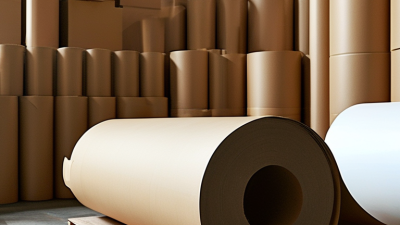
The top 10 inc paper types are best classified by structure, surface, use, and performance. Kraft paper belongs to the strength class, with brown fibers and strong tear resistance. Corrugated paper is a packaging structure, built with fluted layers and liners. Coated paper has a smooth surface for sharp images, while uncoated paper offers a natural touch and easier writing. Recycled paper is classified by fiber content, not by appearance alone. Its shade may vary.

Tissue paper is lightweight and soft, making it suitable for wrapping and hygiene applications. Glassine paper has a dense, translucent surface and resists grease moderately. Greaseproof paper provides stronger oil resistance for food-contact packaging, but buyers should confirm compliance documents. Thermal paper reacts to heat and supports receipts or labels. Carbonless paper transfers writing through pressure, using coated sheets instead of carbon layers. These categories can overlap. A recycled kraft paper, for example, has two classifications.

Tips: Ask for basis weight, thickness, moisture resistance, and roll or sheet dimensions. Request a technical data sheet and a physical sample. Check surface defects under normal warehouse lighting. Small curl differences can affect packing machines. I have seen buyers focus on price and miss converting losses. That mistake is expensive. Also, classification alone cannot confirm suitability. Test printing, folding, sealing, and storage conditions before placing a large order. Humid climates may weaken paper quickly. A better choice is not always the heaviest grade.

Key Features and Common Uses of Each Inc Paper Type

Top 10 Inc Paper Types for Global Buyers

Uncoated paper has a natural texture and absorbs ink quickly, making it suitable for books, forms, and office documents. Coated paper offers a smoother surface and sharper images for catalogs and promotional sheets. Glossy paper creates bright colors and strong contrast, especially for photo pages. Matte paper reduces glare and feels more refined for reports, menus, and premium invitations. Bond paper is durable and easy to write on. It remains common for letters, invoices, and internal records.

Offset paper supports reliable machine printing and works well for notebooks, brochures, and textbooks. Kraft paper provides visible fibers, good strength, and a natural appearance for bags, wraps, and product labels. Recycled paper can reduce raw material use, although its color and smoothness may vary between production batches. Synthetic paper resists water and tearing, which suits outdoor tags, maps, and durable instructions. Thermal paper reacts to heat without liquid ink and is widely used for receipts, tickets, and queue records.

Paper selection should match the ink, printer, storage climate, and final handling conditions. GSM and caliper affect both stiffness and shipping weight. Humidity matters more than many buyers expect; curled sheets can disrupt feeding. No paper type is perfect. A lower-cost option may need more testing. Requesting samples and checking print density, drying time, folding performance, and surface defects can prevent costly mistakes. Small trial orders remain sensible, even for experienced purchasing teams.

Top 10 Inc Paper Types for Global Buyers

Typical basis weight by paper type, shown in grams per square metre (gsm). Values represent common commercial grades rather than market share.

How to read the chart: Lower-gsm papers are generally preferred for lightweight documents and high-volume printing, while higher-gsm grades provide greater stiffness, durability, and product protection.

Bond paper: Office documents, forms, letters, and stationery; commonly valued for reliable writing and copying.
Offset paper: Books, brochures, and commercial printing; designed for consistent ink absorption.
Coated art paper: Catalogs, magazines, and premium brochures; offers a smoother surface and sharper image reproduction.
Uncoated book paper: Books, manuals, and business reports; provides a natural reading feel with good printability.
Kraft paper: Bags, wrapping, envelopes, and protective packaging; known for strength and tear resistance.
Thermal paper: Receipts, tickets, labels, and point-of-sale records; produces images through heat-sensitive coating.
Carbonless paper: Invoices, delivery notes, purchase orders, and multipart forms; creates copies without carbon sheets.
Newsprint: Newspapers, flyers, and short-life publications; lightweight and economical for high-volume use.
Folding boxboard: Cartons for food, cosmetics, pharmaceuticals, and retail products; combines printability with stiffness.
Bible paper: Specialty books, directories, and compact publications; very lightweight while maintaining useful opacity.

How to Compare Inc Paper Quality, Performance, and Cost

When comparing inc paper types, start with the job, not the quoted price. Check basis weight, caliper, opacity, surface smoothness, and moisture resistance. A 90 gsm sheet may reduce shipping weight, but it can curl during humid storage. For cartons, folding strength and burst resistance often matter more than brightness. For printed inserts, ink holdout and drying speed deserve closer attention.

Request a technical data sheet and a production sample from each supplier. Measure thickness with a micrometer, inspect the edges, and test folding after conditioning the sheets at stable humidity. For print applications, compare color density, feathering, and rub resistance. Ask whether the stated values come from laboratory testing or routine production. That detail affects reliability.

Cost needs a wider lens. Include freight, pallet space, trimming loss, rejected sheets, and machine adjustments. I once favored a cheaper grade because its unit price looked efficient. Its uneven surface caused more ink usage and slower press settings. The first calculation was wrong. A practical scorecard can compare quality, performance, delivery consistency, and total usable cost. Still, no scorecard is perfect. Seasonal humidity, operator skill, and storage time can change the result. Keep retained samples, record test conditions, and review actual waste after the first shipment.

Top 10 Inc Paper Types for Global Buyers? – How to Compare Inc Paper Quality, Performance, and Cost

A practical comparison of common paper types used for commercial printing, packaging, labels, and specialty applications.

No. Paper type Typical basis weight Surface and appearance Print quality Key performance Common applications Indicative cost level Sustainability considerations Best buying checks
1 Uncoated woodfree paper 60–120 gsm Smooth or lightly textured; natural or bright white Good text readability; moderate image sharpness Easy folding, writing, copying, and offset printing Office paper, books, forms, manuals, letterheads Low to medium Usually recyclable; recycled content can reduce brightness and strength Brightness, opacity, formation, moisture, curl, and caliper
2 Gloss-coated paper 80–250 gsm High-gloss, smooth, and bright surface Excellent color density, detail, and image contrast Good ink holdout; can show fingerprints and glare Catalogs, brochures, magazines, premium flyers Medium Paper is recyclable where accepted; coatings and laminates may affect recovery Gloss level, coating uniformity, ink drying, rub resistance, and curl
3 Matte-coated paper 90–300 gsm Low-glare, smooth, and refined appearance Sharp images with softer contrast than gloss paper Comfortable for reading; accepts some writing instruments Reports, art books, invitations, premium business materials Medium to high Recyclability depends on coating chemistry and local mill requirements Surface smoothness, whiteness, opacity, folding crack resistance, and drying
4 Recycled paper 70–300 gsm Natural white or grayish tone; smoothness varies Good for text; image quality depends on de-inking and finishing Variable stiffness, opacity, formation, and dust levels Corporate stationery, notebooks, packaging inserts, publications Low to medium Uses recovered fiber; fiber quality declines after repeated recycling cycles Verified recycled content, de-inking quality, strength, shade, and certification
5 Kraft paper 40–200 gsm Brown or bleached; visibly fibrous and natural Suitable for bold graphics; brown grades alter color appearance High tear resistance and good strength-to-weight ratio Bags, wrapping, mailers, cartons, protective packaging Low to medium Generally recyclable and biodegradable when uncoated and uncontaminated Burst strength, tear strength, porosity, moisture resistance, and shade
6 Thermal paper 48–90 gsm Smooth, heat-sensitive coated surface Fast, clean monochrome printing without liquid ink Sensitive to heat, light, abrasion, oils, and plasticizers Receipts, tickets, queue slips, weighing labels Medium Special coatings can complicate recycling; disposal rules vary by market Image stability, coating chemistry, roll dimensions, curl, and storage life
7 Carbonless copy paper 45–170 gsm Smooth white or tinted sheets in multi-part sets Clear duplicate or triplicate writing under pressure No carbon sheet required; sensitive to pressure and moisture Invoices, delivery notes, purchase orders, service forms Medium to high Microcapsule coatings may require specialized recycling handling Copy intensity, set sequence, bursting, curl, coating uniformity, and storage
8 Label paper 60–150 gsm face stock Uncoated, semi-gloss, or gloss face with adhesive backing Good text and barcode performance when properly converted Adhesion, die-cutting, dispensing, and resistance to handling Product labels, logistics labels, price tags, stickers Medium to high Adhesive and liner components can reduce recyclability Adhesive type, peel strength, liner release, humidity resistance, and barcode contrast
9 Synthetic paper 80–250 gsm Smooth plastic-like surface; white and dimensionally stable Sharp graphics with suitable ink, toner, or coating system Waterproof, tear-resistant, and durable in demanding conditions Outdoor tags, menus, maps, manuals, durable cards High Often polymer-based; recycling depends on resin type and local infrastructure Water resistance, tear strength, print compatibility, heat resistance, and end-of-life route
10 Folding boxboard 180–600 gsm White printable surface with a stiff board structure High-quality graphics for cartons and retail packaging Good stiffness, scoring, folding, and die-cutting performance Food cartons, pharmaceutical boxes, cosmetics, consumer packaging Medium to high Widely recyclable when free from difficult laminates and excessive contamination Caliper, stiffness, crease quality, printability, moisture resistance, and food-contact compliance

Buyer’s comparison note

Indicative cost levels are relative purchasing categories rather than fixed quotations. Actual prices vary with basis weight, sheet or roll size, order volume, converting requirements, freight, energy costs, pulp prices, coatings, certifications, and destination-market regulations. Always confirm technical specifications with production samples and test reports before placing a bulk order.

How Global Buyers Can Select and Source the Right Inc Paper

Global buyers should select ink paper by end use, not by appearance alone.

Common options include coated paper, uncoated paper, kraft paper, recycled paper, thermal paper, synthetic paper, label stock, carbonless paper, photo paper, and specialty security paper.

Each type behaves differently during printing, cutting, folding, and storage.

Start with the printing method, ink chemistry, sheet size, and required brightness.

Coated paper creates sharper images, while uncoated paper often feels more natural and absorbs ink faster.

Kraft and recycled grades support certain sustainability goals, but their color variation can affect brand consistency.

Thermal and synthetic papers need careful testing in heat, humidity, and transport conditions.

A small sample can reveal curling, smearing, or weak adhesion before a large order.

Ask suppliers for technical data, production samples, moisture information, and batch controls.

Confirm basis weight, thickness, surface finish, core size, and packaging protection.

Independent testing may be worthwhile for food-contact, labeling, or export applications.

Requirements differ by destination, so buyers should verify applicable documentation and recycling claims.

Supplier audits can also reveal storage problems that certificates may not show.

Do not rely on one perfect sample.

Paper can change between batches.

I have seen attractive sheets perform poorly after long storage.

A written specification, pre-shipment inspection, and realistic trial run reduce that risk.

Leave room for improvement.

Your first choice may still need adjustment after real production.