How to Choose the Best Grocery Paper for Your Shopping Needs
When it comes to grocery shopping, the type of grocery paper you choose can make a significant difference in your overall experience. Whether you're wrapping up fruits and vegetables, carrying baked goods, or storing various items for later use, the right grocery paper is essential for both functionality and sustainability. In the age of increasing environmental awareness, many consumers are now looking for options that are not only effective but also eco-friendly.
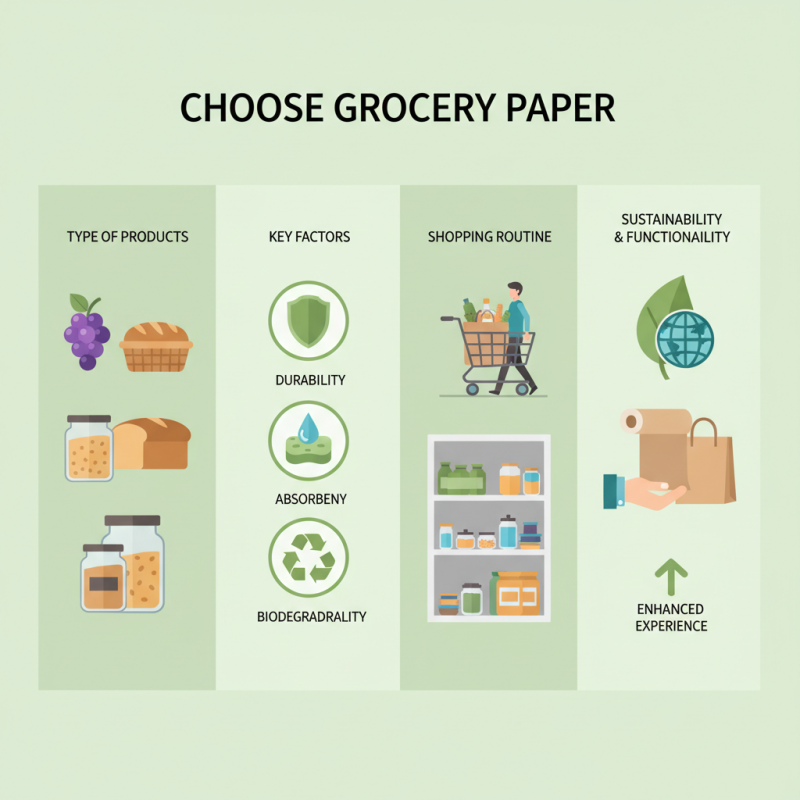
Selecting the best grocery paper requires consideration of several factors, including durability, absorbency, and biodegradability. With a plethora of options available on the market, it's important to understand the specific needs of your shopping routine and the types of products you typically purchase. By taking the time to explore these various aspects, you can find grocery paper that meets your personal preferences and enhances your shopping experience.
Understanding Different Types of Grocery Paper Available in the Market
When selecting the best grocery paper for your shopping needs, it's essential to understand the various types available in the market. The primary categories of grocery paper include kraft paper, butcher paper, and wax paper, each serving distinct purposes. Kraft paper, made from recycled pulp, is known for its durability and can support heavier items while being environmentally friendly. According to the Paper and Packaging Board, over 70% of consumers prefer to buy products packaged in recyclable materials, highlighting the popularity of kraft paper in grocery environments.
Butcher paper is another prevalent option, particularly favored by delis and meat markets. This type of paper is typically stronger and more resistant to grease and moisture, making it ideal for wrapping meats and other perishables. The Global Market Insights report indicates that the demand for butcher paper is projected to grow significantly, driven by the increasing number of consumers who prefer fresh, unpackaged food. Meanwhile, wax paper, coated with a thin layer of wax, is best suited for items that may need a barrier against moisture, though it is not recommended for use in ovens or microwaves.
According to industry standards, understanding these materials' specific uses can dramatically improve the shopping experience and enhance product preservation while catering to customer preferences for sustainable packaging solutions. By knowing the unique properties and applications of each type of grocery paper, consumers can make informed decisions that align with their environmental values and logistical needs.
How to Choose the Best Grocery Paper for Your Shopping Needs
| Type of Grocery Paper |
Material |
Uses |
Eco-Friendliness |
Cost Range (per 100 units) |
| Brown Kraft Paper |
Recycled Pulp |
Bakery Bags, Gift Wrapping |
Highly Eco-Friendly |
$20 - $25 |
| White Paper Bags |
Bleached Pulp |
Take-Out Food, Groceries |
Moderately Eco-Friendly |
$25 - $30 |
| Grease-Resistant Paper |
Coated Papers |
Food Packaging, Fast Food |
Not Eco-Friendly |
$30 - $35 |
| Recyclable Cardboard |
Cardboard Material |
Shipping Boxes, Storage |
Highly Eco-Friendly |
$15 - $20 |
| Wax Paper |
Paper Coated with Wax |
Food Wrapping, Sandwiches |
Limited Eco-Friendliness |
$28 - $32 |
Evaluating the Strength and Durability of Grocery Paper Options
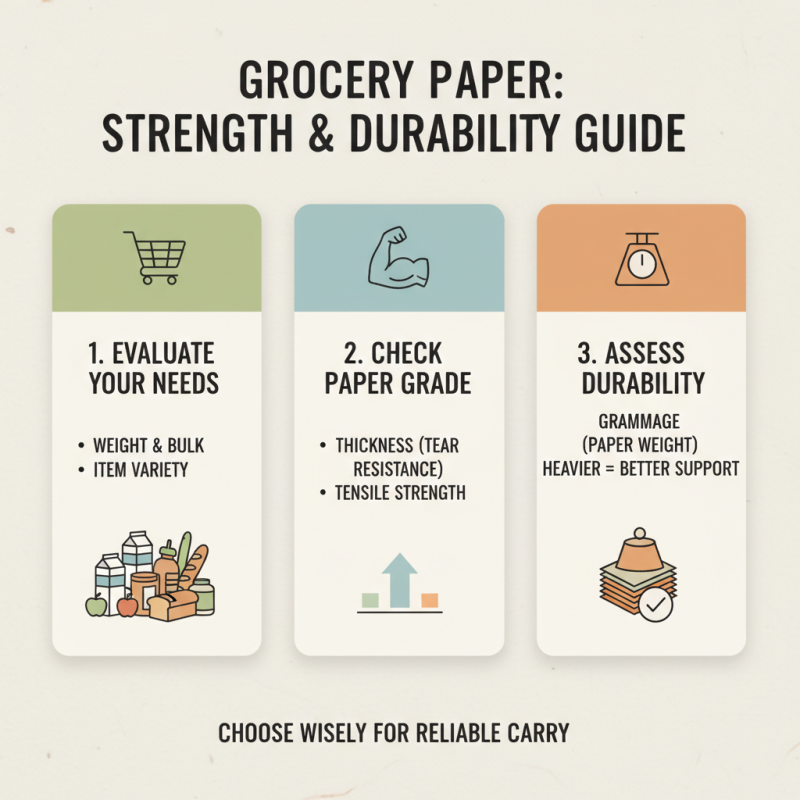
When selecting grocery paper for your shopping needs, evaluating its strength and durability is crucial to ensure that it can handle the weight and variety of items you intend to carry. Grocery papers come in various grades and thicknesses, which significantly impact their ability to support both heavy and bulky products. For instance, a thicker paper with higher tensile strength is more likely to resist tearing and ripping, especially when loaded with multiple items. Assessing the grammage, or weight of the paper, can also provide insight into its durability—heavier papers typically offer better support.
Additionally, consider how the grocery paper performs under various conditions. Some papers may struggle when exposed to moisture, which can compromise their integrity when storing items like fresh produce or meat. Look for paper options that are resistant to tearing, have a protective coating, or are designed to handle wet items without losing their strength. Testing different types of grocery paper can lead to better decision-making; a simple trial with various products can reveal which option holds up best in your shopping experiences, thus enhancing convenience and efficiency during your grocery runs.
Considering Environmental Impact and Sustainability of Grocery Paper
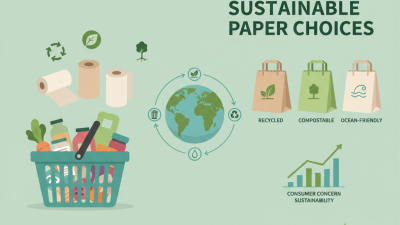
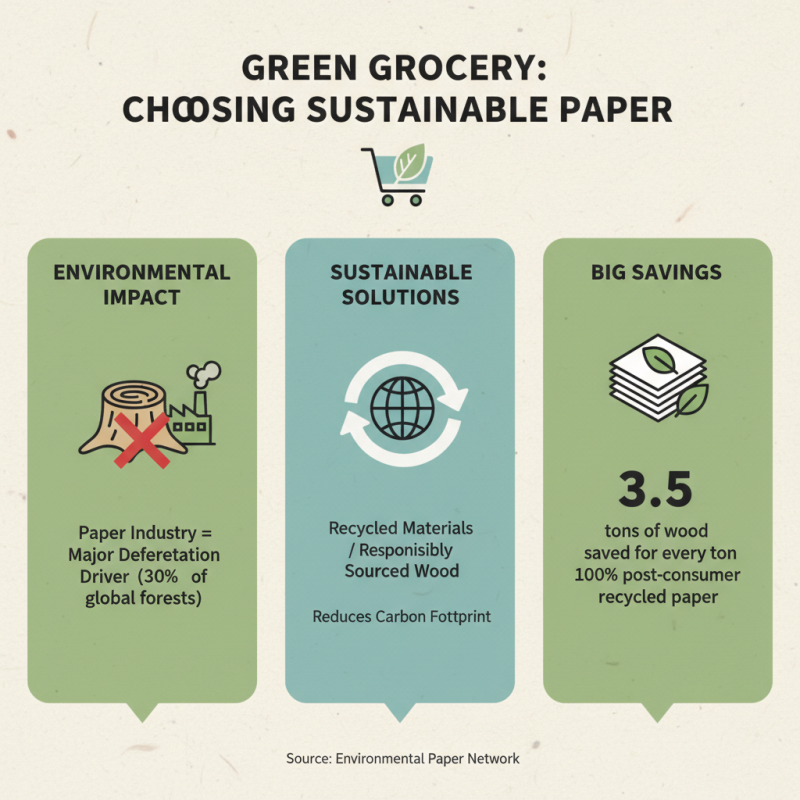
When selecting the best grocery paper, it is crucial to consider its environmental impact and sustainability. The paper industry is one of the largest contributors to deforestation, with an estimated 30% of the world's forests cut down for paper production. Sustainable grocery paper products often come from recycled materials or responsibly managed resources, which can significantly reduce the carbon footprint associated with their manufacturing. According to a report by the Environmental Paper Network, switching to 100% post-consumer recycled paper can save over 3.5 tons of wood for every ton of paper produced.
Moreover, the lifecycle of grocery paper plays a vital role in its overall sustainability. Many grocery papers are biodegradable, yet their decomposition can release methane, a potent greenhouse gas, if they are sent to landfill. The World Wildlife Fund indicates that compostable alternatives, which break down more efficiently in organic waste streams, have a lesser environmental impact. By choosing grocery paper products that are certified compostable or that come from renewable sources, consumers can contribute to a circular economy, reducing waste and conserving natural resources. This aligns with the growing trend toward environmentally conscious purchasing decisions, where over 66% of consumers in a recent survey claimed they want to buy products that are good for the environment.
Assessing Size and Thickness Requirements for Grocery Shopping
When selecting grocery paper for shopping purposes, assessing size and thickness requirements is crucial to ensure functionality and sustainability. According to a recent report from the American Paper Institute, the average consumer uses approximately 1.5 plastic bags per shopping trip, which has raised concerns about environmental impacts. As a response, many retailers are turning to paper options that not only provide an eco-friendly alternative but also accommodate varying sizes to fit different shopping needs.
Size considerations typically focus on the types of items consumers purchase. A typical grocery paper bag should have a minimum dimension of 12x7x17 inches to comfortably hold essentials like fruits, vegetables, and pantry items. For larger purchases, bags with dimensions of 15x8x20 inches are often recommended, as they can support additional weight. Thickness is also a significant factor; grocery paper typically ranges from 40 to 60 GSM (grams per square meter). Thicker options, such as 60 GSM, offer greater durability and resistance to tearing, making them ideal for heavier items like canned goods or bulk purchases. Understanding these specifications allows consumers to choose bags that not only meet their shopping requirements but also contribute to reducing plastic waste effectively.
Grocery Paper Size and Thickness Comparison
Comparing Cost-Effectiveness of Various Grocery Paper Choices
When considering cost-effectiveness in selecting grocery paper, it is essential to evaluate the different materials available and their respective prices. Paper types can range from recycled paper to more specialized options like wax paper or butcher paper. Each type has its unique price point, and while some may be more expensive upfront, their durability and functionality could lead to better long-term savings. For instance, if you are frequently purchasing items that require protection from moisture or grease, investing in higher-quality paper could reduce waste and save you money in the long run.
Additionally, the quantity and packaging of grocery paper can also influence its overall cost-effectiveness. Bulk purchasing often provides significant savings, making it essential to compare the cost per unit across various suppliers. While a package with a higher initial price may seem unappealing, it may actually be more economical if it contains more sheets or provides additional benefits like increased strength or biodegradability. Evaluating these factors can help you make an informed decision, ensuring that your choice aligns with both your budget and shopping needs while supporting sustainable practices.