How to Choose the Best Grocery Paper for Your Sustainable Shopping Needs
As sustainability continues to shape consumer preferences in the grocery sector, the choice of grocery paper has emerged as a significant factor in eco-friendly shopping practices. According to a recent report by the Environmental Paper Network, nearly 70% of consumers express concern over the environmental impact of packaging, highlighting the urgent need for sustainable alternatives in everyday shopping. The grocery paper industry has responded by focusing on renewable resources, recyclability, and reduced carbon footprints, with experts stressing the importance of these attributes in attracting environmentally conscious consumers.
Dr. Angela Foster, a leading expert in sustainable materials, emphasizes that "the right choice in grocery paper can not only reduce waste but also promote a healthier planet." This insight underscores the critical role that grocery paper selection plays in our broader environmental impact. By understanding the various types of grocery paper available and their respective ecological footprints, consumers can make more informed decisions that align with their sustainability goals. As we delve into the intricacies of selecting the best grocery paper, it becomes clear that each decision contributes to a larger movement towards responsible consumption and waste reduction.
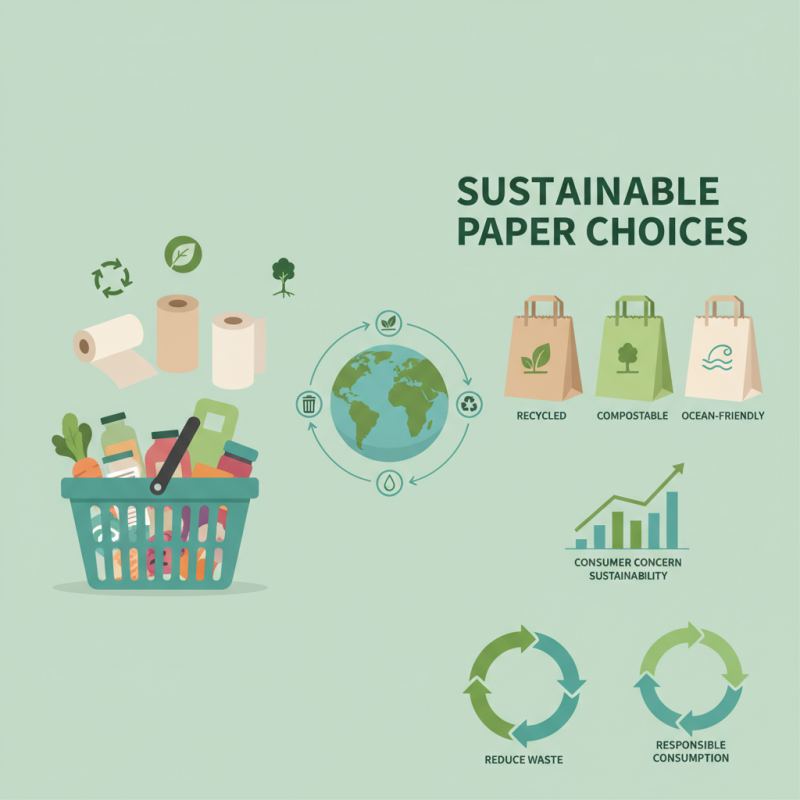
Understanding the Importance of Sustainable Grocery Paper Choices
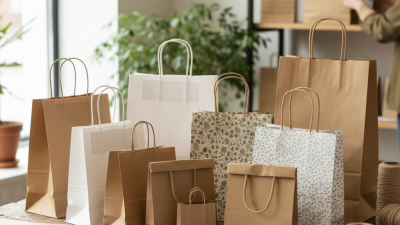
Sustainability in shopping practices has become increasingly important as consumers recognize the environmental impacts of their choices. When it comes to grocery shopping, one significant aspect is selecting the right type of paper for bags, wraps, and packaging. Sustainable grocery paper not only serves functional purposes but also reflects a commitment to reducing plastic waste and minimizing the carbon footprint associated with food packaging. This shift towards paper products can help promote a circular economy, as many types are recyclable, biodegradable, or made from post-consumer materials.
Understanding the importance of sustainable grocery paper choices involves recognizing the various materials available and their environmental implications. For instance, unbleached paper options typically require less processing and fewer harmful chemicals, making them a greener choice. Additionally, sourcing paper from certified sustainable forests ensures that the materials are harvested responsibly. Shoppers can further support sustainability by opting for recycled paper products which help in reducing the demand for new raw materials. By being mindful of these choices, consumers not only contribute to environmental conservation but also encourage grocery stores to prioritize eco-friendly packaging solutions.
Types of Grocery Paper: Recycled vs. Virgin Paper Options
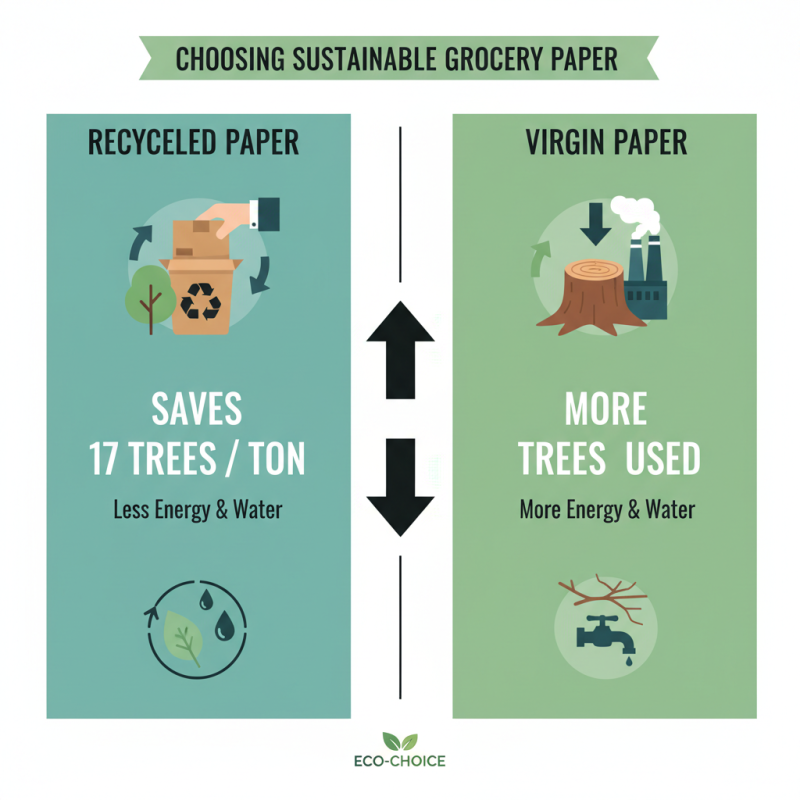
When it comes to choosing grocery paper, understanding the differences between recycled and virgin paper options is crucial for making sustainable shopping choices. Recycled paper is derived from post-consumer materials, which not only reduces the demand for virgin fiber but also minimizes waste. According to a report from the American Forest & Paper Association, using recycled content in paper products can save approximately 17 trees per ton of recycled paper. Furthermore, recycling paper uses less energy and water compared to producing new paper, making it a more environmentally-friendly option.
On the other hand, virgin paper is made from newly sourced wood fibers. While it may offer a higher quality and greater strength, its production typically involves more intensive resource extraction, leading to deforestation and higher greenhouse gas emissions. The World Resources Institute has highlighted that sustainable forestry practices can mitigate some of these effects, but the trade-offs remain significant. Ultimately, selecting recycled paper can contribute substantially to reducing ecological footprints and promoting a circular economy, aligning closely with the values of consumers increasingly concerned about sustainability.
Evaluating Environmental Impact: Carbon Footprint and Sourcing
When choosing grocery paper for sustainable shopping, it is essential to consider its environmental impact, specifically its carbon footprint and sourcing practices. According to a report by the Environmental Paper Network, traditional paper production is energy-intensive, with about 70% of its carbon emissions stemming from the manufacturing process. A sustainable alternative involves sourcing paper from recycled materials or certified forests. Opting for products made from at least 30% post-consumer recycled content can significantly reduce overall emissions and support responsible forestry practices.
**Tips:** Look for certifications such as the Forest Stewardship Council (FSC) label, which ensures that the paper comes from sustainably managed forests. Additionally, consider the life cycle of the paper product—recognizing that both production and disposal stages influence total carbon emissions. A shift from single-use plastic to responsibly sourced paper not only reduces landfill waste but also enhances the overall sustainability profile of your shopping practices.
Moreover, evaluating the local availability of paper products can further reduce transportation emissions. According to the U.S. EPA, transportation contributes approximately 29% of total greenhouse gas emissions. By selecting locally produced grocery paper, consumers can help minimize the carbon footprint associated with transportation, promoting a more sustainable shopping experience. Making informed choices empowers consumers to contribute to environmental sustainability while meeting their shopping needs.
Certifications and Labels: What to Look for in Grocery Paper Products
When it comes to selecting grocery paper products that align with your
sustainable shopping goals, understanding
the various certifications and labels can significantly influence your decision. Look for
products that are certified by reputable organizations that recognize
environmentally responsible practices. The
Forest Stewardship Council (FSC) label, for example,
indicates that the paper comes from responsibly managed forests, ensuring that the sourcing
process does not contribute to deforestation or habitat destruction. Additionally, the
Sustainable Forestry Initiative (SFI) certification
guarantees that the paper is produced in a way that maintains the ecological integrity of
forests while supporting community and social factors.
Another important aspect to consider is whether the grocery paper products are marked with
biodegradability or
compostability labels. Products with these
certifications indicate they can break down naturally and will not contribute significantly to
landfill waste. The
Biodegradable Products Institute (BPI) certification
is an excellent indicator that the product meets specific composting standards. Furthermore,
you might encounter labels indicating the use of recycled
content, which not only reduces the need for virgin resources but also lowers the
overall carbon footprint associated with paper production. By focusing on these certifications
and labels, you can make more informed choices that align with your commitment to
sustainability.
Cost vs. Sustainability: Balancing Budget with Eco-Friendly Choices
When navigating the delicate balance between cost and sustainability in grocery shopping, consumers face a notable challenge. On one hand, eco-friendly paper products, such as biodegradable bags and recycled paper, often come at a higher price compared to their conventional counterparts. This price difference can be a deterrent for budget-conscious shoppers who wish to make environmentally responsible choices without stretching their finances too thin. Understanding the long-term benefits, however, can help consumers justify the investment. Sustainable products typically have less impact on the environment and promote a circular economy, which can lead to significant cost savings and environmental benefits over time.
To balance a constrained budget with eco-friendly desires, consumers can explore several strategies. Buying in bulk can reduce the cost per unit for sustainable products, while seeking out sales or discounts specifically for environmentally friendly items can provide an additional financial incentive. Additionally, consumers can prioritize their purchases by selecting the most essential sustainable items that align with their values. This thoughtful approach allows individuals to make gradual changes to their shopping habits without feeling overwhelmed by higher costs, ultimately fostering a more sustainable lifestyle while remaining financially responsible.
How to Choose the Best Grocery Paper for Your Sustainable Shopping Needs
| Paper Type |
Cost per 100 Sheets |
Recyclability |
Post-Consumer Content |
Sustainability Rating |
| Kraft Paper |
$5.00 |
Yes |
100% |
A |
| Recycled Paper |
$6.50 |
Yes |
80% |
A- |
| New Paper |
$4.00 |
Yes |
0% |
B |
| Plant-Based Paper |
$7.00 |
Yes |
90% |
A+ |
| Biodegradable Paper |
$8.00 |
Yes |
70% |
A |