2025 How to Choose Sustainable Packaging and Paper Options for Your Business
As businesses increasingly prioritize sustainability, the decision-making process for selecting eco-friendly packaging and paper options has become critical. According to a recent report by Smithers Pira, the global sustainable packaging market is expected to reach $1 trillion by 2025, highlighting a significant shift towards environmentally conscious practices. This evolution calls for a closer examination of the materials used and their lifecycle impacts, pushing companies to adopt innovative solutions that align with both consumer preferences and environmental responsibility.
Expert insights, such as those from Dr. Jane Collins, a leading authority in the packaging & paper industry, emphasize the importance of this transformation. She stated, “Sustainable packaging is not just a trend; it is a necessary strategy for businesses to remain competitive in a rapidly changing market.” By prioritizing sustainable materials, businesses can reduce their carbon footprint, enhance brand loyalty, and comply with increasing regulatory pressures surrounding environmental impact.
In navigating this complex landscape, companies must consider various factors, from the choice of raw materials to recyclability and biodegradability. The goal should be to implement packaging & paper solutions that not only meet product requirements but also resonate with consumers' growing environmental consciousness. As we approach 2025, it is imperative that businesses reassess their packaging strategies to foster a more sustainable future.

Sustainable Packaging: Understanding Key Industry Definitions and Trends
Sustainable packaging is rapidly evolving in response to increased consumer awareness and demand for environmentally friendly practices. Understanding key industry definitions is crucial for businesses aiming to adopt sustainable solutions. Terms like biodegradable, compostable, and recyclable are often used interchangeably but have distinct meanings that influence packaging choices.
Biodegradable materials decompose naturally but may leave behind microplastics, while compostable options fully break down in specific conditions and enrich the soil. Recyclable packaging can be processed and reused, but its effectiveness largely hinges on local recycling capabilities and consumer participation.
Current trends highlight an emphasis on minimalism and the circular economy, pushing businesses to consider not just the materials they use, but the lifecycle of their packaging. Innovations, such as plant-based plastics and reusable packaging systems, are gaining traction. Moreover, consumers increasingly prefer products with transparent sustainability claims, prompting brands to clearly communicate their packaging’s environmental impact. By embracing these definitions and trends, businesses can not only align with consumer expectations but also contribute to a broader movement towards a more sustainable future.
Assessing Environmental Impact: The Role of Life Cycle Assessment (LCA)
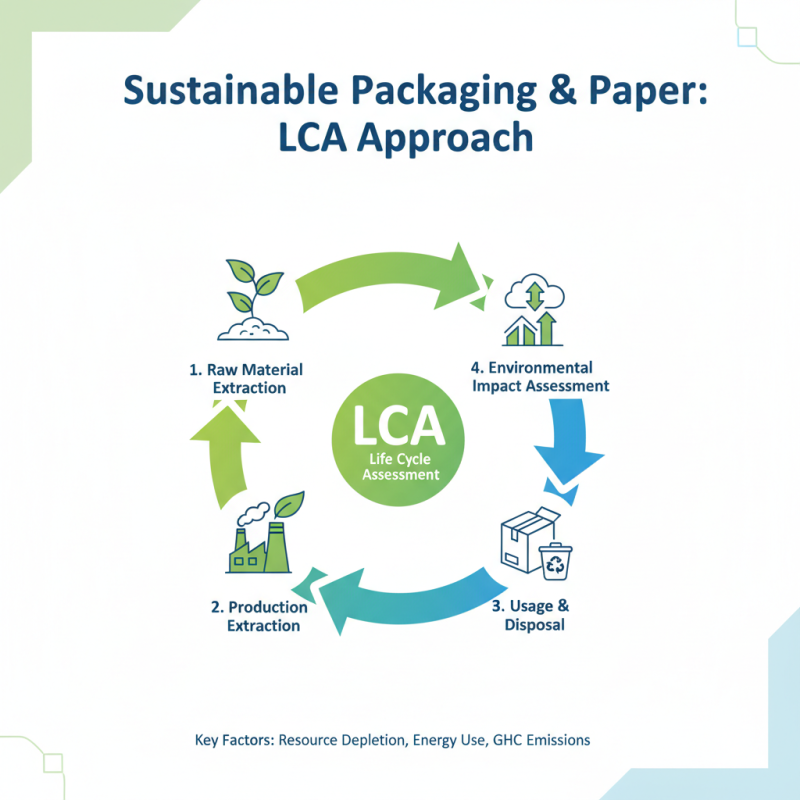
When selecting sustainable packaging and paper options for a business, it is crucial to assess the environmental impact through a comprehensive approach known as Life Cycle Assessment (LCA). LCA evaluates the ecological consequences associated with each stage of a product’s life—from raw material extraction and production to usage and disposal. This method provides valuable insights into how various materials contribute to resource depletion, energy consumption, and greenhouse gas emissions.
By conducting an LCA, businesses can identify which packaging solutions are truly sustainable, helping them make informed choices that align with their environmental goals. For instance, an LCA can reveal that while a certain type of paper is recyclable, the entire production process may consume significantly more energy compared to an alternative option. Additionally, LCAs can help organizations understand the benefits of selecting locally sourced materials, which can reduce transportation emissions and support local economies. This holistic evaluation enables businesses to develop packaging strategies that minimize negative environmental impacts while also appealing to sustainability-conscious consumers.
Selecting Materials: Comparing Biodegradable, Recyclable, and Compostable Options
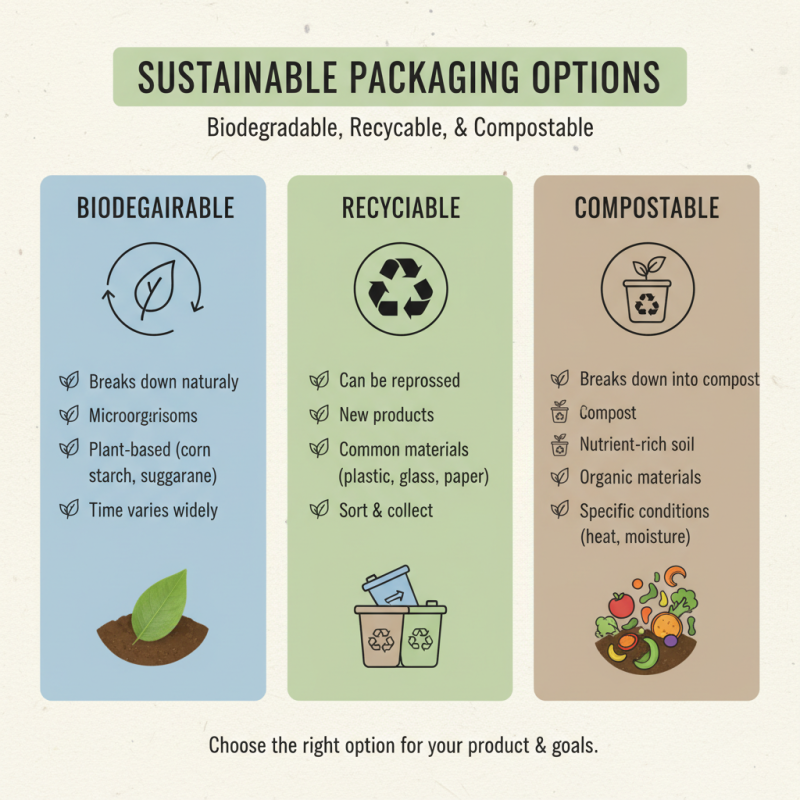
When selecting sustainable packaging options for your business, it’s crucial to understand the distinctions between biodegradable, recyclable, and compostable materials. Each choice offers unique benefits and applications, depending on your product’s needs and your company’s sustainability goals. Biodegradable materials break down through natural processes, typically involving microorganisms, under specific environmental conditions. They are often made from plant-based sources like corn starch or sugarcane, and while they can significantly reduce waste, the time required for decomposition varies widely.
Recyclable packaging, on the other hand, can be processed and reused to create new products. This option encourages a circular economy, allowing materials to circulate rather than ending up in landfills. To maximize the effectiveness of recyclable materials, businesses must ensure that their packaging is clearly labeled and easy for consumers to dispose of correctly. It's essential to consider local recycling capabilities, as different regions may have varying regulations and facilities.
Compostable packaging provides an environmentally friendly solution that can enrich soil after decomposition. Unlike biodegradable options that may require specific conditions, compostable materials break down in home or industrial composting systems, turning into nutrient-rich compost. This option is particularly suitable for food packaging or products that may leave organic residues. By choosing the right sustainable packaging type, businesses can better align their practices with eco-conscious values while meeting consumer demands for greener alternatives.
Cost vs. Sustainability: Analyzing the Financial Implications for Businesses
When considering sustainable packaging and paper options, businesses must weigh the financial implications against environmental benefits. The initial investment in eco-friendly materials may be higher than traditional counterparts; however, it’s crucial to analyze long-term savings. Many sustainable options are designed to be more durable and efficient, potentially reducing costs related to transportation, storage, and waste disposal over time. This perspective not only emphasizes eco-responsibility but also highlights the potential for cost savings that can align with a company's bottom line.
Moreover, companies embracing sustainable practices can enhance their brand image and attract environmentally conscious consumers. This shift towards sustainability can open up new market opportunities and foster customer loyalty, which may translate into increased revenue. While there might be upfront costs associated with transitioning to sustainable packaging, the evolving consumer expectations for transparency and responsibility in business can lead to significant market advantages. By integrating sustainability into their operations and marketing strategies, businesses can cultivate a competitive edge in a rapidly changing marketplace.
2025 How to Choose Sustainable Packaging and Paper Options for Your Business - Cost vs. Sustainability: Analyzing the Financial Implications for Businesses
| Packaging Material |
Cost per Unit ($) |
Recyclability (%) |
Biodegradability (%) |
Carbon Footprint (kg CO2e) |
Supplier Sustainability Rating (1-5) |
| Recycled Paper |
0.05 |
85 |
100 |
0.2 |
4 |
| Bioplastics |
0.15 |
70 |
90 |
0.5 |
5 |
| Glass |
0.40 |
90 |
100 |
1.0 |
3 |
| Aluminum |
0.50 |
95 |
100 |
1.5 |
4 |
| Corrugated Cardboard |
0.10 |
80 |
100 |
0.3 |
4 |
Supplier Selection: Criteria for Choosing Eco-Friendly Packaging Partners
When selecting suppliers for eco-friendly packaging, businesses must establish clear criteria to ensure they align with sustainability goals. First, it’s essential to evaluate the materials used by potential partners. Look for suppliers that offer packaging made from renewable resources, recyclables, or biodegradable materials. Understanding the lifecycle of these materials—from sourcing to disposal—will help in selecting suppliers who genuinely prioritize environmental responsibility.
Another critical criterion is the supplier's commitment to sustainable practices throughout their operations. This includes examining their manufacturing processes for energy efficiency, waste management, and water usage. Certifications such as ISO 14001 or adherence to regional environmental regulations can indicate a supplier's dedication to sustainability.
Furthermore, it is beneficial to engage with suppliers about their transparency and corporate social responsibility policies, ensuring their values align with the business's commitment to eco-friendliness. By closely assessing these factors, companies can build partnerships that enhance both environmental performance and brand reputation.