Best Practices for Offset Printing Inspection in China?
In the realm of offset printing, inspection plays a critical role in ensuring quality and consistency. Offset Printing Inspection is not merely a checklist task; it is an art that requires skill and attention. Within China’s vibrant printing industry, the stakes are high. Clients expect flawless prints that reflect their brand's image.
Many companies face challenges due to varying standards and practices. Inconsistent inspection methods can lead to defects that compromise the final product. It is crucial for businesses to adopt best practices that enhance reliability. Effective inspection methods not only catch errors but also prevent them from occurring in the first place.
Investing time in training staff on these best practices can yield significant improvements. Experience shows that consistency in inspection processes leads to greater customer satisfaction. Yet, many firms still overlook this aspect, resulting in an inevitable cycle of reprints and wasted resources. Awareness and commitment to robust Offset Printing Inspection can transform challenges into opportunities for excellence.
Understanding the Importance of Offset Printing Inspection in China
Offset printing inspection plays a crucial role in ensuring high-quality output in the bustling printing sector of China. In recent studies, around 30% of printing defects originate during the production process. This highlights the need for rigorous inspection protocols. Many businesses may underestimate this aspect, yet consistent inspection can reduce waste and enhance productivity.
Effective inspection techniques involve checking color accuracy, alignment, and print quality. A report by the China Printing Industry Association revealed that only 40% of printed materials pass quality checks on the first run. This statistic underscores the necessity for continuous monitoring throughout the production stages. Many companies often overlook these checks, leading to increased costs and dissatisfied clients.
Incorporating advanced technologies like spectrophotometers can help in precise color measurement. However, the adoption of such technology is still limited. A lack of training and resources hampers many smaller enterprises from fully implementing these practices. Reflecting on these gaps showcases the challenges faced by the industry. Constant improvement in inspection practices will uplift product standards and customer satisfaction in the competitive landscape.
Key Steps in Establishing Quality Standards for Offset Printing
Establishing quality standards for offset printing requires a systematic approach. Start with defining what quality means for your specific projects. Set clear metrics to evaluate print accuracy, color consistency, and material quality. Each print job can present unique challenges. For instance, variations in paper stock can affect ink absorption and color fidelity. Recognizing these factors is crucial for effective quality assessment.
Engaging skilled inspectors is essential. They should have experience in the offset printing process. Their expertise will enable them to identify common printing issues, such as misalignment or color shifts. Regular training can keep the team updated on the latest inspection technologies and techniques. However, it’s important to acknowledge that even seasoned inspectors may sometimes overlook subtle defects. Continuous learning and adaptation are vital.
Documentation of inspection results enhances accountability. Implement a consistent way to log quality checks and outcomes. This ongoing record can reveal patterns, allowing for proactive adjustments in the printing process. In an industry where perfection is the goal, reflecting on past errors can lead to improvements. Every anomaly is a chance to refine quality standards and prevent future issues.
Best Practices for Offset Printing Inspection in China
This chart illustrates the quality scores based on key inspection criteria for offset printing in China, highlighting areas of focus for quality standards.
Essential Tools and Equipment for Effective Printing Inspection
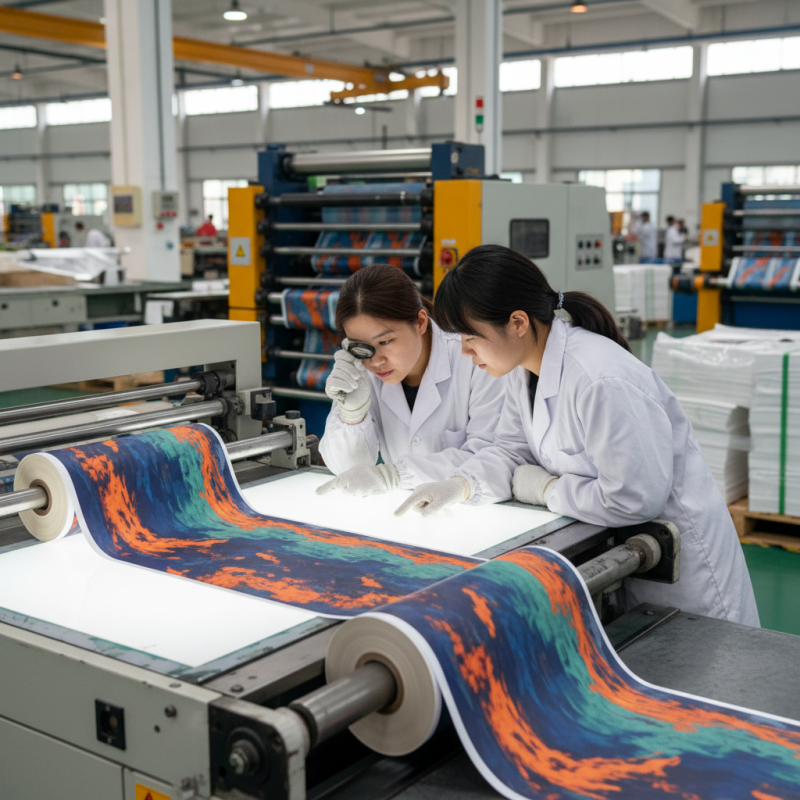
In offset printing, effective inspection is crucial for maintaining quality. Essential tools include light tables and magnifiers. These tools help identify imperfections in color and registration. A recent industry report indicates that 15% of defects occur during the printing process. Failing to detect these issues early can lead to costly reprints.
Additionally, color measurement instruments are vital. They provide accurate readings of CMYK values. Consistent monitoring can reduce color variation by up to 30%. However, reliance on these tools alone isn't enough. Human oversight is still necessary. Inspectors should undergo regular training to ensure they understand these technologies.
Incorporating digital inspection methods has shown promise. Automated systems can flag anomalies in real-time. Yet, they are not foolproof. Some complex issues may require manual intervention. Balancing technology with skilled labor is essential in achieving optimal results. Observations from the field suggest that continuous adaptation and learning are key in offset printing inspection.
Common Defects in Offset Printing and How to Identify Them
Offset printing is a key industry in China, but defects can undermine quality. Identifying common issues early is crucial to maintaining standards. Reports indicate that up to 25% of printed materials encounter defects, such as color inconsistencies and misalignment.
Color consistency is a prevalent defect. Variations can impact brand integrity. The use of spectrophotometers for measurement helps identify deviations in color. Additionally, misalignment during the printing process may result in content overlap or unwanted white space. Regular monitoring during production mitigates these risks.
Surface defects also deserve attention. Scratches or smudges can arise from incorrect handling or equipment maintenance. These imperfections may affect the overall appearance of the printed piece. In a study, 30% of printers reported issues attributed to poor finishing practices. Continuous inspection and proper training can reduce these errors. Maintaining strict quality control measures ensures that printing meets industry standards.
Training and Best Practices for Inspectors in the Printing Industry
In the fast-paced world of offset printing, proper training for inspectors is crucial. Inspectors play a key role in ensuring quality and consistency throughout the printing process. Recent industry reports indicate that up to 30% of printing errors are due to insufficient training. This underscores the need for comprehensive training programs tailored to the unique challenges faced by inspectors in the printing sector.
Tip: Establish a hands-on training approach. Practical experience helps inspectors better understand machine operations and potential issues. Regular workshops to review common problems can bridge knowledge gaps. This empowers inspectors to identify deviations early in the process.
Best practices in inspection include implementing standardized checklists. These cultivate a systematic approach to quality control. Data shows that companies using checklists see a 25% reduction in errors. However, reliance on checklists alone can create complacency. Regular audits and unexpected checks should encourage inspectors to stay vigilant and proactive.
Tip: Embrace technology for quality control. Incorporate tools like color measurement devices and digital reporting systems. These innovations can enhance precision but require inspectors to understand the technology. Overall, continuous improvement remains vital in the printing industry. Regularly updating training and inspection techniques fosters a culture of excellence, vital in a competitive market.
Best Practices for Offset Printing Inspection in China
| Practice | Description | Frequency | Responsible Party | Tools & Equipment |
| Pre-Production Inspection | Verify specifications of materials and color profiles before printing. | Before each print run | Quality Control Team | Color Calibration Tools, Material Samples |
| In-Process Monitoring | Monitor print quality and adjust settings as needed during production. | Continuous throughout print job | Press Operators | Digital Gauge, Ink Density Meter |
| Post-Production Inspection | Final review of printed materials for consistency in color and quality. | After each print run | Quality Assurance Team | Magnifying Glass, Color Samples |
| Defect Logging | Record defects and issues found during inspections for future reference. | Daily | All Inspectors | Defect Logging Software |
| Regular Training | Conduct ongoing training for inspectors on best practices and new technologies. | Quarterly | Training Coordinators | Training Modules, E-Learning Platforms |