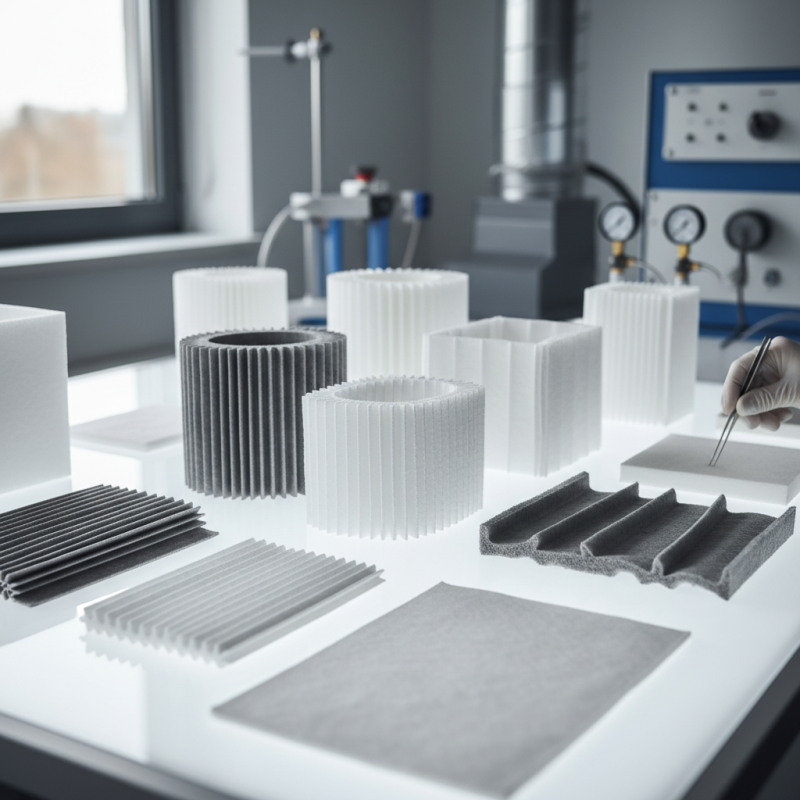
Best Pocket Filter Media Types for Effective Filtration?
Selecting the right pocket filter media can significantly impact air quality and efficiency. Many options exist in the market today, each designed for specific needs. However, the challenge lies in finding the most suitable type.
pocket filter media offers various benefits. Some types excel in capturing small particles, while others focus on enhanced airflow. Consider the environment where these filters will be used. Different settings require tailored solutions. Sometimes, what works well in one area fails in another. This inconsistency highlights the need for careful evaluation.
The effectiveness of pocket filter media can be improved through proper selection. Users should be aware of their filtration needs. Testing different media types can be essential. This trial and error approach often leads to better results. In the end, finding the best pocket filter media is a journey worth taking.
Overview of Pocket Filter Media in Air Filtration Systems
Pocket filter media are crucial in air filtration systems. They capture dust, pollen, and other contaminants effectively. A study indicates that high-efficiency pocket filters can remove up to 95% of airborne particles. The choice of media type significantly impacts performance and lifespan. Common materials include synthetic fibers, fiberglass, and activated carbon.
Tips: Ensure the filters align with the specific needs of your environment. Regular maintenance is key to optimal performance.
Despite their effectiveness, not all pocket filters perform equally. Some may clog quickly, leading to airflow restrictions. This can increase energy consumption, putting strain on HVAC systems. It’s essential to evaluate the durability and replacement frequency of filters used.
Certain applications may demand higher filtration standards. For example, environments in healthcare settings require stricter compliance. Failing to choose the right filter can lead to contamination risks. Always assess the filtration efficiency and pressure drops before settling on a media type.
Types of Pocket Filter Media and Their Applications
Pocket filter media come in various types, each with unique properties and applications. Synthetic media, often made from polyester or polypropylene, are popular for their capacity to capture fine particles. They can filter pollutants as small as 0.3 microns. According to a recent industry report, synthetic filters can achieve an efficiency of up to 99% in certain environments. This capability makes them essential for cleanroom applications and commercial HVAC systems.
On the other hand, natural fiber media, such as cotton or cellulose, contribute to a more sustainable approach but may have limitations in durability and particle capture. While they are biodegradable, they can struggle with moisture, leading to mold growth. Some studies suggest their efficiency can drop below 80% when wet, raising concerns about their reliability in humid conditions.
Electrostatic filters are another emerging option. They trap particles by using an electrostatic charge, enhancing their filtration capabilities significantly. Some sources indicate that they can outperform mechanical filters in terms of dust capture rates. However, these filters require careful maintenance to maintain their performance over time. Ensuring the consistent efficacy of these advanced options remains a critical challenge faced by many facilities.
Comparison of Efficiency and Filtration Capabilities
When selecting pocket filter media types, efficiency is key. Various materials offer different filtration capabilities. Synthetic fibers, for instance, provide excellent dust capturing. They tend to trap the smallest particles efficiently. On the other hand, natural fibers are often more eco-friendly. However, their filtration efficiency is sometimes lower. This means that while you may be choosing a greener option, you might sacrifice some performance.
The pore size of the filtration media plays a crucial role as well. Smaller pores capture finer particles but can lead to clogging faster. Conversely, larger pores may allow dust to pass through. It’s a balance between efficiency and maintenance. Regular monitoring is essential to prevent buildup and ensure optimal performance.
Some innovations aim to combine the benefits of both types. Hybrid media can offer better efficiency without sacrificing sustainability. However, these options may come with higher costs or complexity. It can be a challenge to determine which filter type best meets your needs. Careful consideration is essential for effective filtration practices.
Factors Influencing the Choice of Pocket Filter Media
When selecting pocket filter media, several factors come into play. The most crucial one is the intended application. Different environments demand various filtration capabilities. For instance, industrial settings often require robust materials capable of handling higher dust loads compared to residential use. The choice of media can significantly impact efficiency and maintenance frequency.
Airflow resistance is another important factor. A filter with high resistance might restrict airflow, affecting system performance. It's essential to balance filtration efficiency and airflow. Many overlook this aspect, leading to inadequate air quality or increased energy costs.
Moreover, environmental conditions influence media choice. Filters used in humid or corrosive settings need special materials to resist moisture and chemical degradation. This requirement is often underestimated. A mismatch can lead to quicker degradation. It's vital to regularly evaluate the chosen media’s performance and adapt to changing conditions.
Best Pocket Filter Media Types for Effective Filtration
| Media Type | Filtration Efficiency (%) | Airflow Resistance (Pa) | Service Life (Months) | Recommended Application |
| Synthetic Fiber | 80 | 210 | 6 | Commercial Buildings |
| HEPA Fiber | 99.97 | 300 | 12 | Healthcare Facilities |
| Activated Carbon | 85 | 230 | 9 | Odor Control |
| Electrostatic Precipitator | 95 | 150 | 10 | Industrial Applications |
| Glass Fiber | 90 | 280 | 8 | HVAC Systems |
Maintenance and Replacement Guidelines for Pocket Filters
Pocket filters are essential for maintaining clean air quality. Regular maintenance is crucial to ensure they function effectively. A good practice is to check filters every month. Look for signs of dirt and clogs. Dust accumulation can reduce airflow. A clear filter enhances performance.
Replacement schedules can vary. Generally, a filter should be replaced every three to six months. In high-dust environments, this frequency should increase. Neglecting to replace filters results in inefficiency. It also impacts energy consumption negatively. A dirty filter could lead to unnecessary wear on the HVAC system.
Proper disposal methods are important too. Consider recycling options, if available. Inadequate disposal can harm the environment. Reflecting on the ongoing maintenance practices can lead to better decision-making. Small changes can have significant impacts on air quality and energy savings. Focus on these aspects for healthier indoor environments.