2026 Top Trends in Packaging and Paper for Global Buyers?
The packaging and paper industry is evolving rapidly, driven by new technologies and consumer demands. In 2026, buyers will encounter significant trends that reshape how products are wrapped and delivered. Sustainable materials, for instance, are no longer optional. They have become a priority for brands aiming to reduce their environmental impact.
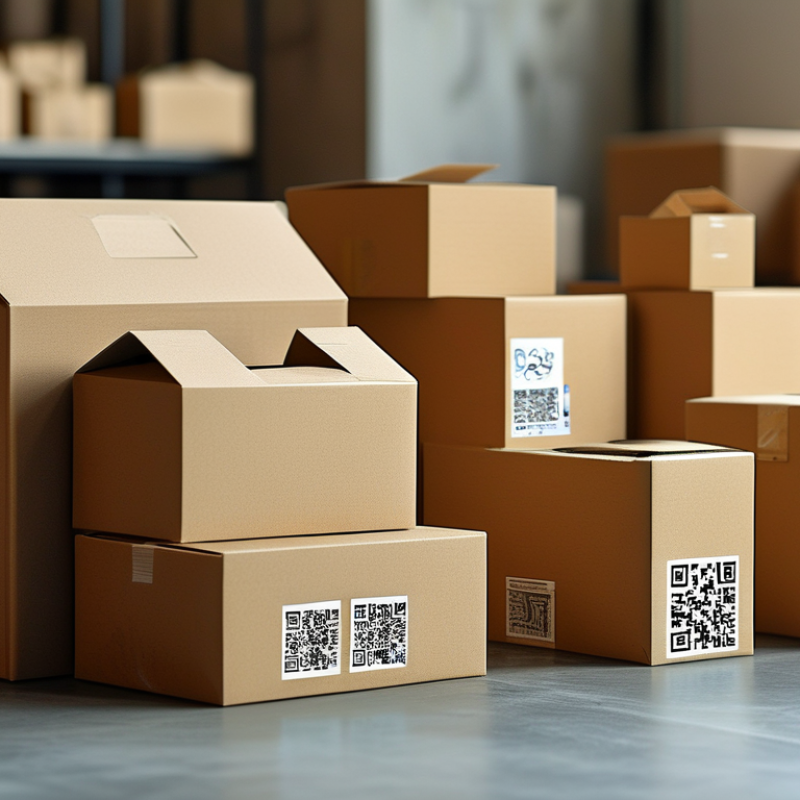
Innovations in packaging design are also on the rise. Smart packaging, which includes features like QR codes and temperature indicators, enhances user experience. However, the adoption of these innovations is uneven. Not all manufacturers have the resources to implement such changes. This creates a gap that can affect competitiveness in the market.
Additionally, the push for minimalism in packaging design is gaining traction. Brands are recognizing the need for less is more. Yet, the challenge remains in balancing aesthetics with functionality. As the industry moves forward, staying informed about these trends is essential for global buyers. The future of packaging and paper is not just about what’s popular; it’s about making thoughtful choices that have lasting impacts.
Emerging Sustainable Materials in Packaging and Paper Industries
The packaging and paper industries are rapidly evolving. Emerging sustainable materials are leading this transformation. According to a recent report by Smithers, the global market for sustainable packaging is projected to reach $600 billion by 2027. This indicates a robust shift towards more eco-friendly solutions.
Biodegradable plastics are gaining traction. These materials decompose in natural environments, reducing landfill waste. In addition, innovations in plant-based packaging are promising. For instance, materials made from agricultural waste are being explored. Though the potential is vast, challenges remain. Not all biodegradable options break down efficiently. Overcoming this hurdle is crucial for widespread adoption.
Moreover, recycled paper products are becoming more prevalent. The Fiber Publishing Group reports that recycled paper usage has increased by 17% over the last five years. This demonstrates a growing awareness of resource conservation. However, there are limitations in the recycling process. Contamination remains a significant issue, affecting quality and usability. Addressing these practical concerns will enhance sustainability efforts.
Innovative Packaging Designs Reshaping Consumer Experience in 2026
In 2026, packaging design is set to transform significantly, reshaping how consumers interact with products. Innovative materials like biodegradable plastics and plant-based options are becoming mainstream. These choices not only enhance sustainability but also improve the tactile experience. Packaging is no longer just a barrier; it's becoming part of the brand story.
Visual elements are crucial. Bright colors and interactive designs create instant engagement. Some new packages even integrate augmented reality features. When consumers scan these packages, they access immersive information. This interactive experience often leads to higher satisfaction levels. However, it's essential to balance technology with simplicity. Overly complex designs can confuse consumers.
Yet, not all innovations have been smooth. Some sustainable materials face durability issues. A beautiful package may not always protect the product inside. This raises questions about functionality versus aesthetics. Brands are grappling with these challenges while trying to remain competitive. The evolution of packaging in 2026 will continue to demand creativity and careful consideration.
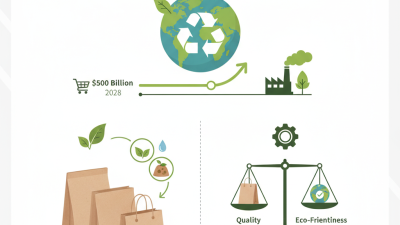
2026 Top Trends in Packaging and Paper for Global Buyers
This chart represents the projected trends in packaging materials for 2026. The data illustrates the rising importance of sustainability and innovation in packaging as consumers increasingly prefer eco-friendly options.
Advancements in Smart Packaging Technologies for Enhanced Functionality
The packaging industry is evolving rapidly, with smart technologies leading the way. Innovations in connectivity and interactivity are enhancing the functionality of packaging solutions. This transformation addresses consumer demands for convenience and information.
For instance, QR codes on packaging provide instant access to product details. Some packages integrate sensors that monitor freshness, offering real-time updates to both retailers and consumers. These advancements not only improve user experience but also help reduce waste. However, not every development is flawless. Some smart packaging solutions may face technical glitches, leading to consumer frustration.
Sustainability remains a critical challenge in this sector. While many smart packaging ideas boast eco-friendly materials, the energy required for manufacturing and data transmission can counteract their benefits. Striking a balance between functionality and minimal environmental impact is essential. The evolution of smart packaging offers exciting possibilities, yet it invites further examination into its broader implications.
Impact of E-commerce on Packaging Trends and Materials Selection
The e-commerce boom has reshaped how we view packaging. Online shopping drives demand for innovative and sustainable materials. Customers expect their products to arrive safely and in eco-friendly packaging. This has led to a surge in biodegradable and recyclable materials. Brands are exploring various solutions to reduce their carbon footprint.
Simplicity in design is gaining traction too. Uncluttered packaging stands out in crowded shipping boxes. It captures attention and reinforces brand identity. However, there are challenges. Balancing aesthetics and functionality can be tough. Over-packaging is an ongoing concern. It may enhance presentation but does not align with sustainability goals.
As businesses adapt, they must consider practicality. Are current choices truly efficient? Testing new materials could reveal better options. Collaborating with manufacturers could lead to breakthrough packaging solutions. The focus should be on user experience as well. Ultimately, businesses need to reflect on their packaging strategies to meet evolving consumer demands.
Regulatory Changes Influencing Packaging and Paper Industry Practices
Regulatory changes are reshaping the packaging and paper industry significantly. The introduction of stringent legislation aimed at reducing waste and promoting sustainability drives this evolution. For instance, the European Union's Circular Economy Action Plan has set ambitious targets for recycling and waste reduction. By 2025, EU member states must ensure that 65% of packaging is recycled. This represents a monumental shift from traditional practices.
Companies must adapt to these regulations. According to a recent report by Smithers Pira, the global packaging market will reach $1 trillion by 2026, with sustainability initiatives gaining traction. The emphasis on eco-friendly materials is expected to increase demand for biodegradable and recyclable packaging solutions. In 2022, 58% of consumers expressed a preference for sustainable packaging options, highlighting a crucial shift in consumer behavior.
Yet, the transition comes with challenges. Many organizations struggle with the implementation of new practices due to cost implications and supply chain constraints. Reports indicate that businesses are often unprepared for rapid compliance changes. This uncertainty can hinder innovation and growth in the sector. Continuous monitoring of regulatory developments is essential for companies aiming to stay competitive in this evolving landscape.