2026 Top Industrial Paper Trends That Buyers Should Know?
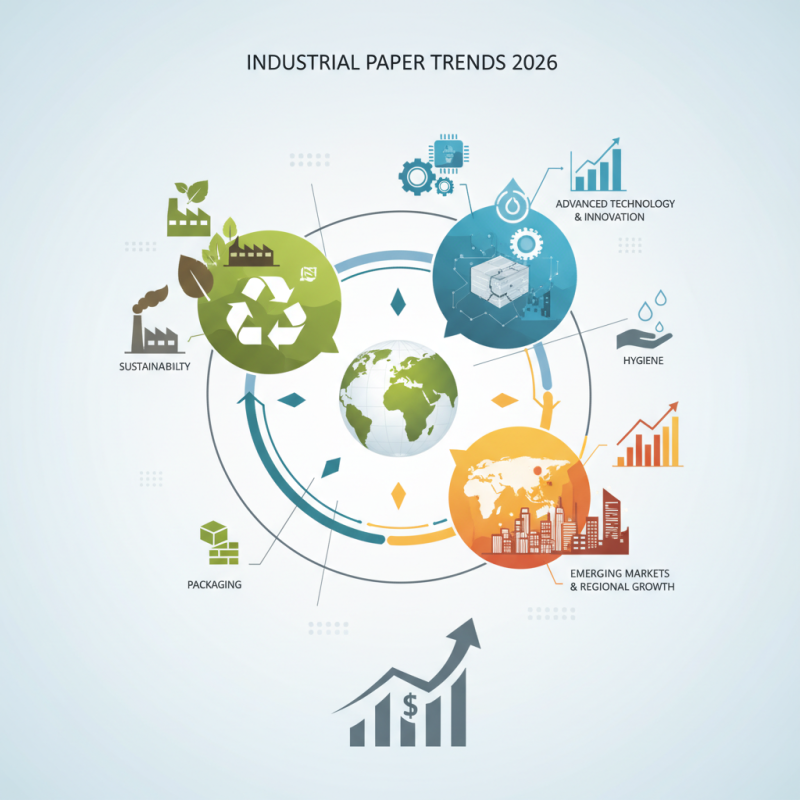
The Industrial Paper sector is witnessing remarkable transformations as we approach 2026. According to a report by Smithers Pira, the global industrial paper market is expected to reach $300 billion by 2025. This growth is driven by rising demand across various industries, including packaging, hygiene products, and construction materials. Buyers need to stay informed about these emerging trends to make strategic decisions.
One significant trend is the shift towards sustainability. Companies are increasingly adopting eco-friendly practices. For instance, 70% of consumers prefer packaging made from recycled materials, pushing manufacturers to adapt. Additionally, advanced techniques in paper recycling are expected to enhance resource efficiency. This shift poses challenges but also opportunities for innovation.
Emerging markets are also shaping the future of industrial paper. Countries in Asia-Pacific are experiencing high growth rates. They contribute substantially to global paper consumption. These regional differences require buyers to be vigilant and adaptable. Understanding local markets will be crucial for success. The industrial paper industry is evolving rapidly, presenting both risks and potential rewards for buyers.
Emerging Sustainable Practices in the Industrial Paper Sector
The industrial paper sector is witnessing a significant shift towards sustainable practices. More companies are adopting eco-friendly production methods. According to a study by Smithers Pira, the global demand for sustainable paper is projected to reach 60 million tons by 2026. This highlights a growing market for environmentally responsible products.
Sourcing raw materials sustainably is becoming a priority. Many manufacturers are exploring alternatives like recycled fibers and biomass. Implementing these materials often reduces the carbon footprint significantly. Reports indicate that using recycled fibers can lower energy consumption by 40%. However, the challenge lies in the availability and quality of these materials.
Beyond sourcing, companies are investing in technology. Innovations in production processes aim to minimize waste and emissions. For instance, some facilities are using closed-loop systems to recycle water and reduce effluent discharge. Yet, the transition to greener practices can be slow and costly. Companies face pressures from consumers and regulations but often struggle with upfront investment. This complex landscape requires ongoing evaluation and commitment to truly embrace sustainability.
Technological Innovations Driving Industrial Paper Manufacturing in 2026
The industrial paper sector is undergoing significant transformations due to technological innovations. In 2026, automation and artificial intelligence play major roles in enhancing production efficiency. Reports indicate that up to 40% of industry processes will utilize AI-driven systems. This shift leads to reduced operational costs and minimized human errors.
The rise of eco-friendly materials is another trend shaping the industry. Recycled paper production is projected to increase by 25% as companies seek sustainable solutions. These materials not only lower environmental impact but also appeal to consumers' growing demand for green products. Manufacturers are integrating advanced recycling technologies to optimize this process.
Tips: Explore partnerships with tech firms to stay updated on innovations. Keep abreast of regulatory changes to avoid compliance issues. Remember, a balance between automation and human oversight is crucial. As you adopt new technologies, reflect on their long-term viability and impact on your workforce. Constant evaluation is key to navigating this ever-evolving landscape successfully.
Consumer Demands and Market Trends Influencing Industrial Paper Purchases
As we approach 2026, consumer demands are reshaping the industrial paper market. Sustainable practices are becoming a priority. Many buyers now prefer eco-friendly options. This shift influences manufacturers to adopt greener processes. Companies must stay ahead of these trends to maintain relevance. Transparency in sourcing materials is now key. Buyers want to know where their products come from.
Market trends show a rise in customization. Clients are looking for specific paper grades tailored to their needs. This demand challenges suppliers to innovate continually. However, not all companies can keep up with these changes. There is a noticeable gap between what consumers want and what is available. Some suppliers struggle to meet the growing expectations, leading to potential missed opportunities.
Digitalization is another important trend. The industrial paper sector is embracing technology for greater efficiency. Automation and data analysis can improve production processes. Yet, some traditionalists resist these changes, fearing loss of quality. Adapting to new practices remains a significant hurdle. In this evolving landscape, buyers must navigate both the opportunities and challenges that arise.
Challenges Facing Buyers in Sourcing Sustainable Industrial Paper Products
Sourcing sustainable industrial paper products poses significant challenges for buyers today. According to a recent report by Smithers, the global market for sustainable paper is projected to reach $300 billion by 2026. However, this growth comes with hurdles such as inconsistent supply chains and varying sustainability standards. Buyers must navigate these issues carefully to ensure they meet sustainability goals without compromising on quality.
One major challenge is the lack of transparency in sourcing. Many suppliers claim to offer sustainable products, but certifications can be misleading or unclear. Buyers should request detailed information about the sourcing practices and environmental impact of their materials. According to a study from the Environmental Paper Network, only 30% of paper products meet rigorous environmental criteria.
Tips: Always seek third-party certifications for sustainability. Evaluate the full lifecycle of the products you are considering.
Another concern is cost. Sustainable materials are often priced higher due to their production processes. This can strain budgets, especially for small businesses. It is essential to weigh the long-term benefits against initial costs. Ultimately, investing in sustainable paper can enhance your brand image and customer loyalty.
Tips: Calculate total cost of ownership, not just purchase price. Factor in potential savings from reduced waste.
The Role of Circular Economy Principles in the Future of Industrial Paper
The circular economy is reshaping the industrial paper sector. This approach hinges on sustainability, aiming to minimize waste. It focuses on reusing materials and creating closed-loop systems. Thus, buyers must prioritize products that fit this model. Sourcing recycled paper reduces the need for virgin fibers. This method also lowers energy use, a significant consideration for eco-conscious companies.
Implementing circular principles can pose challenges. Not all facilities are equipped to process recycled materials efficiently. Some buyers hesitate to switch due to potential quality concerns. However, innovation in this field is growing. Many manufacturers use advanced technology to ensure high standards in recycled paper products. This shift demands commitment but offers long-term benefits.
The future lies in collaboration. Buyers, suppliers, and policymakers need to work together. Sharing knowledge can enhance recycling processes and standards. Additionally, educating consumers about these products is vital. Awareness of circular economy principles can boost demand for sustainable options. This trend is not just a fad; it is the future of industrial paper.
2026 Top Industrial Paper Trends That Buyers Should Know
| Trend | Description | Estimated Impact (2026) | Circular Economy Role |
| Sustainable Sourcing | Increased use of recycled materials and sustainable forestry practices. | High | Promotes reclamation of resources, reduces waste. |
| Digital Integration | Use of IoT and data analytics to optimize production processes. | Medium | Enhances resource efficiency, supports recycling initiatives. |
| Product Innovation | Development of products that use less material or are easier to recycle. | High | Encourages closed-loop systems, minimizing waste. |
| Waste-to-Product Initiatives | Transforming waste materials into usable paper products. | Medium | Reduces landfill contributions, reuses materials effectively. |
| Consumer Awareness and Demand | Growing preference for eco-friendly paper products among consumers. | High | Drives market changes towards sustainable practices. |