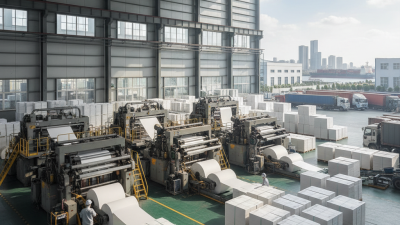

China’s paper-sheet sector is broad, but a manufacturer’s name alone says little about whether its products fit your converting line. This guide to the Top 10 Paper Sheet Manufacturers in China compares practical buying factors: sheet dimensions, basis weight, surface finish, moisture consistency, packaging, and export support. A pallet arriving with curled corners or uneven caliper can disrupt printing and cutting. Details matter.
Paper scientist Martin A. Hubbe has published extensively on fiber networks and paper properties. A fair paraphrase of his research perspective is that sheet performance depends on fiber interactions, manufacturing conditions, and intended use—not marketing claims alone. That principle helps frame this list. It is not a substitute for mill data or sample testing. Ask suppliers for current specifications, test methods, production capacity, and traceable quality records. Then compare the sheets paper buyers actually receive, not just the samples shown at a trade fair.
The manufacturers below serve different needs, from standard printing grades to specialty and packaging sheets. Some may suit large repeat orders; others may offer more flexibility for custom sizes. A ranking cannot capture every buyer’s priorities. That is worth remembering. Before committing, check a sample under your own press or converting conditions, and confirm delivery lead times in writing. Even a promising supplier can miss a detail.
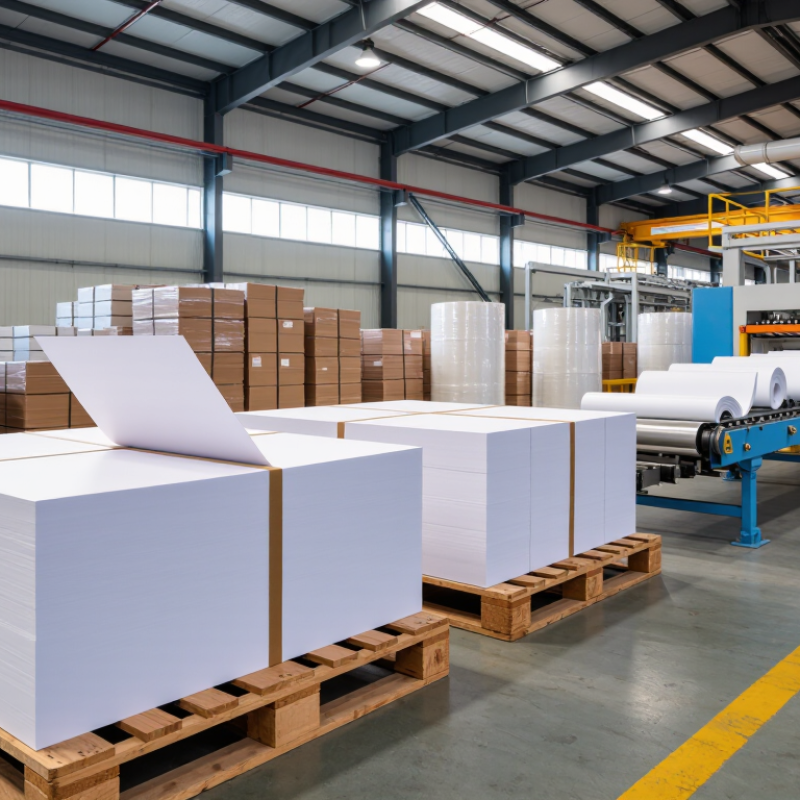
China’s paper sheet manufacturing industry serves packaging, printing, food service, construction, and everyday stationery markets. Producers make sheets from different pulp blends, recycled fibers, and specialty coatings, depending on the required strength and finish. Product formats range from thin, smooth printing stock to thicker board used for cartons and protective inserts. Details matter.
Production combines pulping, forming, pressing, drying, and finishing. Operators monitor moisture, thickness, surface smoothness, and sheet dimensions because small variations can affect printing or converting. A buyer may request samples to check stiffness, color consistency, and how the sheet behaves on existing equipment. These practical checks can reveal issues that a specification sheet misses.
The industry benefits from extensive supplier networks and established converting capacity, but capabilities differ between factories. Some focus on large, standardized orders; others handle smaller runs or customized dimensions. Buyers should confirm grade, tolerances, packaging, and delivery requirements before placing an order. Environmental claims also deserve careful review: recycled content and sourcing practices should be supported by clear documentation. Even experienced suppliers can face changes in fiber quality, so consistency is worth checking over time.

China’s paper and paperboard production has grown overall, reaching 144.3 million tonnes in 2023.
The figures show annual national production, not the output of individual manufacturers. Source: China Paper Association, annual industry statistics. Figures are rounded.
A credible comparison of paper sheet manufacturers should examine repeatable quality, not just quoted price or production capacity.
The China Paper Association’s 2023 industry report recorded 129.65 million tonnes of paper and paperboard production in China. That figure shows the market’s scale, but it does not prove that any individual supplier can deliver stable sheets.
Numbers matter. Ask for recent batch records, declared grammage, thickness tolerance, moisture range, and usable sheet dimensions. Check whether the measurements come from documented tests, such as grammage testing under ISO 536 and moisture testing under ISO 287.
Production capability should match the buyer’s actual requirements.
Request sample sheets and inspect their edges, curl, surface marks, and packaging after transit. For repeat orders, compare results across several batches rather than relying on one attractive sample.
Still, verify. A neat spreadsheet can hide uneven performance. Assess monthly capacity, lead times, complaint handling, and whether the supplier can explain how it controls moisture during storage.
Environmental claims also need evidence, such as valid chain-of-custody documentation where applicable. A leading manufacturer is not automatically the largest one; the better choice is the supplier whose test records, delivery performance, and communication hold up under scrutiny. Even these checks have limits: a sample cannot guarantee every shipment.
Top 10 Paper Sheet Manufacturers in China
Profiles of the Top 10 Paper Sheet Manufacturers in China
These profiles compare ten manufacturer types by production focus, rather than present an unverified company ranking. The China Paper Association’s 2023 annual report recorded 129.65 million tonnes of paper and paperboard production, up 4.35% from 2022. That scale supports diverse operations, but output alone says little about sheet consistency or delivery performance.
Integrated mills combine pulp preparation, papermaking, and sheet conversion. Recycled-fiber producers prioritize recovered-paper processing and board grades. Coated-sheet specialists focus on surface finish and printability. Kraft-sheet makers serve packaging applications. Specialty-paper plants handle narrower grades and tighter specifications. Details matter. Buyers should compare basis weight, moisture, caliper, and batch tolerances using current test reports.
Other profiles include food-contact paper producers, industrial liner makers, high-volume cut-sheet converters, regional mills serving nearby buyers, and smaller custom-grade suppliers. A converter may offer precise sheet sizes without making the base paper itself. That distinction is easy to miss. The association’s figures describe a broad national market, not the performance of any individual plant. Request recent samples and production records; supplier capability can vary by grade, machine, and order size.
Paper sheet manufacturers in China produce grades suited to packaging, printing, stationery, and industrial use. Common options include kraft paper, coated sheets, duplex board, tissue base paper, and specialty papers. Each grade differs in thickness, surface finish, strength, and moisture response. A smooth coated sheet can support sharp images, while a tougher kraft sheet may suit cartons or protective wrapping. The right choice depends on the end product, not just the quoted price.
Production capabilities vary widely. Some mills handle large, continuous orders; others offer more flexibility with sheet sizes, finishes, or smaller batches. Buyers should check machine width, monthly output, available grammage, cutting tolerances, and quality-control procedures. Ask for recent samples and confirm that the delivered sheets match the approved specifications. Capacity figures can be slippery. They may describe a mill’s maximum output, not its currently available supply.
Tips: Compare samples under the same lighting and printing conditions. Ask how moisture and edge damage are controlled during packing. Leave room for a trial order; specifications sometimes need adjustment after real production.
When comparing paper sheet manufacturers in China, look beyond the quoted price. Ask for the paper grade, basis weight, sheet dimensions, moisture range, and edge tolerances in writing. These details affect whether sheets feed smoothly through a press or arrive curled and uneven. Request current test reports and a sample from the same production line. A polished sample alone proves little.
Check production capacity against your order pattern, not just annual output. Ask how the factory handles repeat specifications, urgent orders, and production changes. If a visit is impractical, request a live video walkthrough of storage, cutting, and packing areas. Look closely. Sheets should be protected from humidity and dust. Response time matters, too, but quick sales replies cannot replace clear answers from technical staff. One inspection day may not reflect normal conditions.
Tips: Send each supplier the same specification sheet, then compare quality consistency, defect policies, lead times, packaging, and payment terms. Ask what happens if a shipment falls outside agreed tolerances, and get the remedy in writing. Test sheets from several cartons, not just the top of one stack. Small differences can become costly. No supplier is perfect; choose one that documents problems and addresses them openly.